From the file. Written for the paper dated December 2022. Opened in the public stacks July 14, 2026.
As December unfolds, the public lab open house serves as a microcosm of America’s broader scientific discourse, highlighting the bipartisan habit of selective memory that often clouds our understanding of crucial issues.
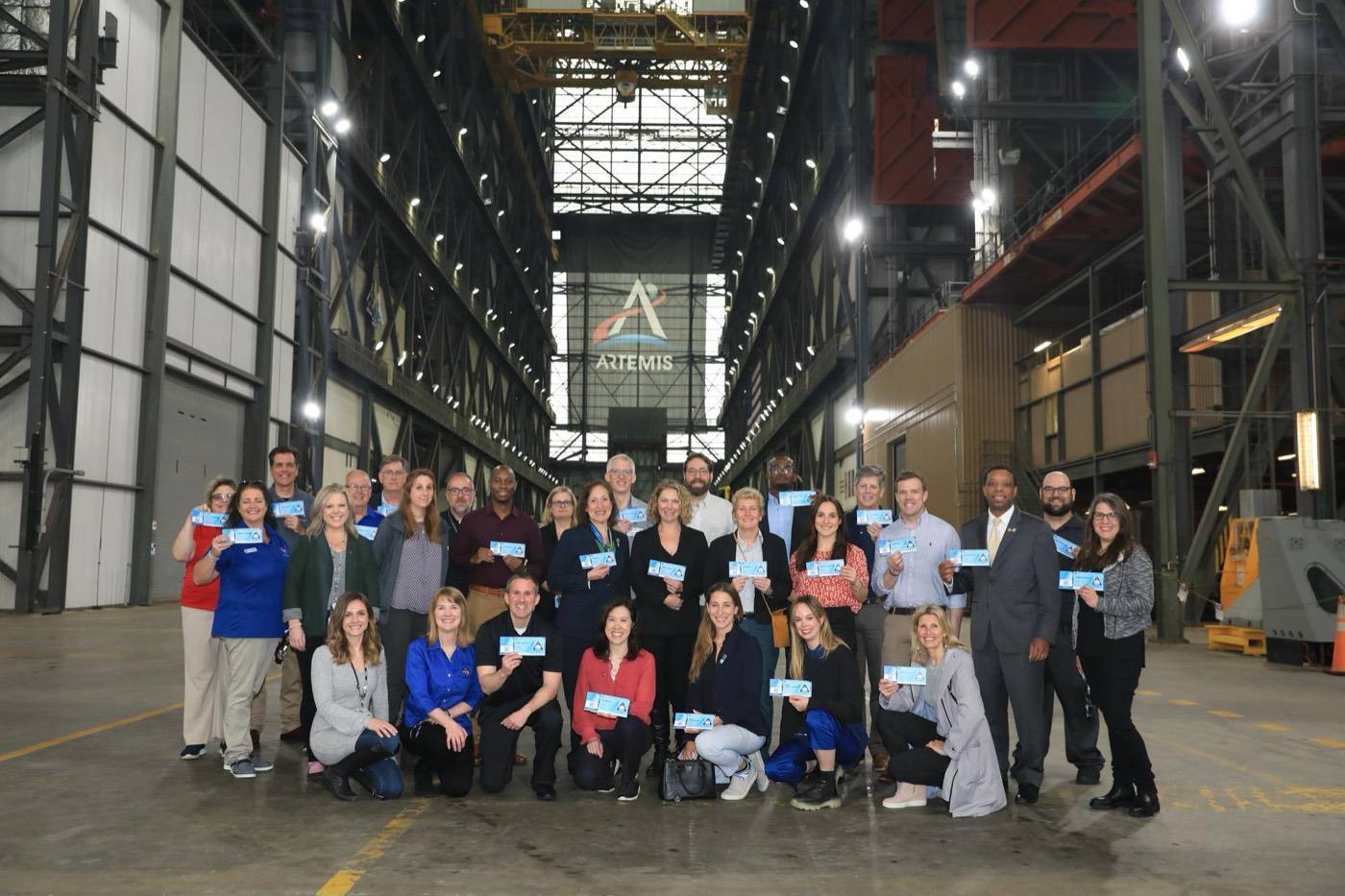
The Public Lab Open House: A Gathering of Minds
This year's public lab open house, held in various cities across the nation, attracted a diverse group of attendees. Scientists, students, and everyday citizens came together to engage with projects that aimed to democratize science and make it accessible to all. Exhibits ranged from environmental monitoring technologies to community health initiatives, showcasing the innovative spirit of grassroots science.
However, amidst the celebration of scientific inquiry, one could not help but notice the undercurrents of political division that have seeped into the scientific community. The event, while intended to foster collaboration, also revealed how both sides of the political spectrum selectively remember or reinterpret scientific facts to suit their narratives.
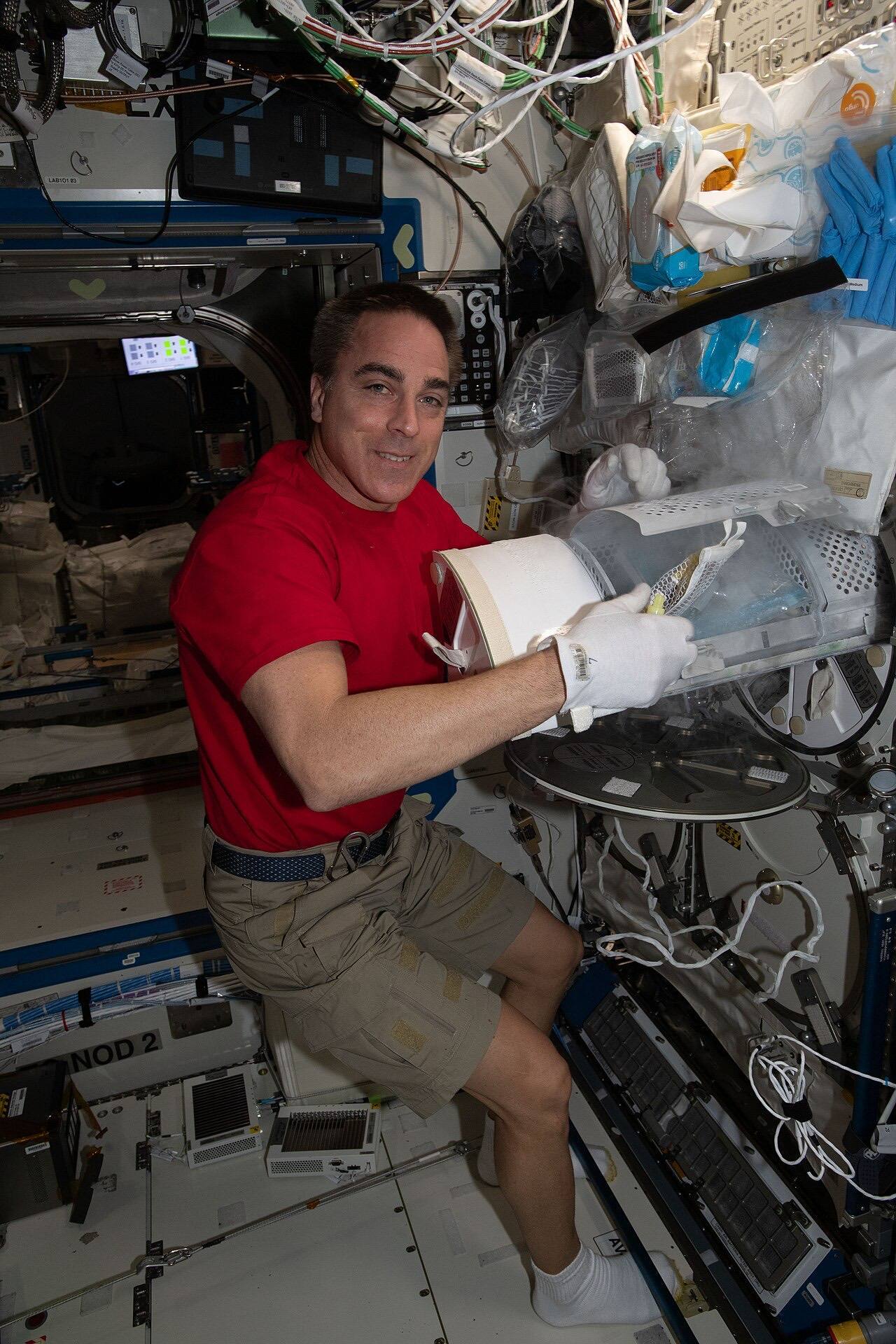
Selective Memory on Display
On one hand, we have progressives who champion the necessity of science in addressing climate change. They often invoke the urgency of scientific consensus, citing studies on carbon emissions and their impact on global temperatures. Yet, in their zeal, they sometimes overlook the complexities of scientific debate, including dissenting voices that question the extent of human impact or the efficacy of proposed solutions. This selective memory can alienate potential allies who might otherwise engage in constructive discourse.
Conversely, conservative attendees at the open house often highlighted scientific advancements in technology, particularly in the fields of energy and medicine. They pointed to innovations in fossil fuel extraction and the pharmaceutical industry as examples of American ingenuity. However, this focus occasionally glosses over the environmental or ethical implications of these advancements. The tendency to downplay or dismiss scientific findings that contradict their economic priorities shows a similar pattern of selective memory.
"Science should be a bridge, not a battleground. Yet, here we are, caught in a cycle of selective memory." - A participant at the open house
Bridging the Divide
Perhaps the most striking aspect of the open house was the palpable desire among many participants to bridge the divide. Conversations often turned to how science can be a unifying force, capable of transcending partisan lines. Initiatives aimed at fostering collaboration between scientists and local communities were discussed, with attendees expressing hope for a future where scientific literacy is prioritized over political allegiance.
One exhibit showcased citizen science projects that enlisted community members to collect data on local environmental conditions. This grassroots approach not only empowers individuals but also creates a sense of ownership over scientific outcomes. Participants from both sides of the aisle recognized the potential for these initiatives to serve as common ground, emphasizing the importance of community engagement in scientific endeavors.
The Role of Education
Education was another central theme at the open house, with many advocates calling for a re-evaluation of how science is taught in schools. The current curriculum often reflects the biases of prevailing political ideologies, which can skew students’ understanding of scientific principles. A more balanced approach that incorporates multiple perspectives could foster critical thinking and a more nuanced appreciation for science.
Some educators shared success stories of programs that have effectively engaged students from diverse backgrounds. By emphasizing inquiry-based learning and encouraging students to question assumptions, these programs aim to cultivate a generation of scientifically literate citizens who are equipped to engage with complex issues without resorting to selective memory.
A Call to Action
The open house served as a reminder that science, at its core, is about inquiry and discovery. It should not be co-opted by political agendas or reduced to a tool for ideological warfare. Instead, it is essential for both sides to acknowledge the complexities of scientific dialogue and to engage in conversations that transcend partisan divides.
As we reflect on the discussions from the public lab open house, it becomes clear that the path forward lies in embracing a more inclusive approach to science. This means recognizing the value of diverse perspectives and fostering a culture of collaboration. By doing so, we can move beyond selective memory and work towards a future where science serves as a unifying force for all Americans.
✦ ✦ ✦