From the file. Written for the paper dated December 2022. Opened in the public stacks July 14, 2026.
As federal agencies continue to churn out regulations, a curious pattern emerges: both sides of the political aisle engage in selective memory when it comes to rulemaking. This week, we take a closer look at how this habit shapes policy and impacts everyday Americans.

The Politics of Rulemaking
In December 2022, we witness a flurry of activity from various federal agencies, each working to finalize rules that will have long-lasting implications. The Environmental Protection Agency (EPA) is pushing forward with new emissions standards, while the Department of Labor is revisiting guidelines that govern worker protections. These moves, however, are often met with fierce opposition or enthusiastic support, depending on which party is in power.
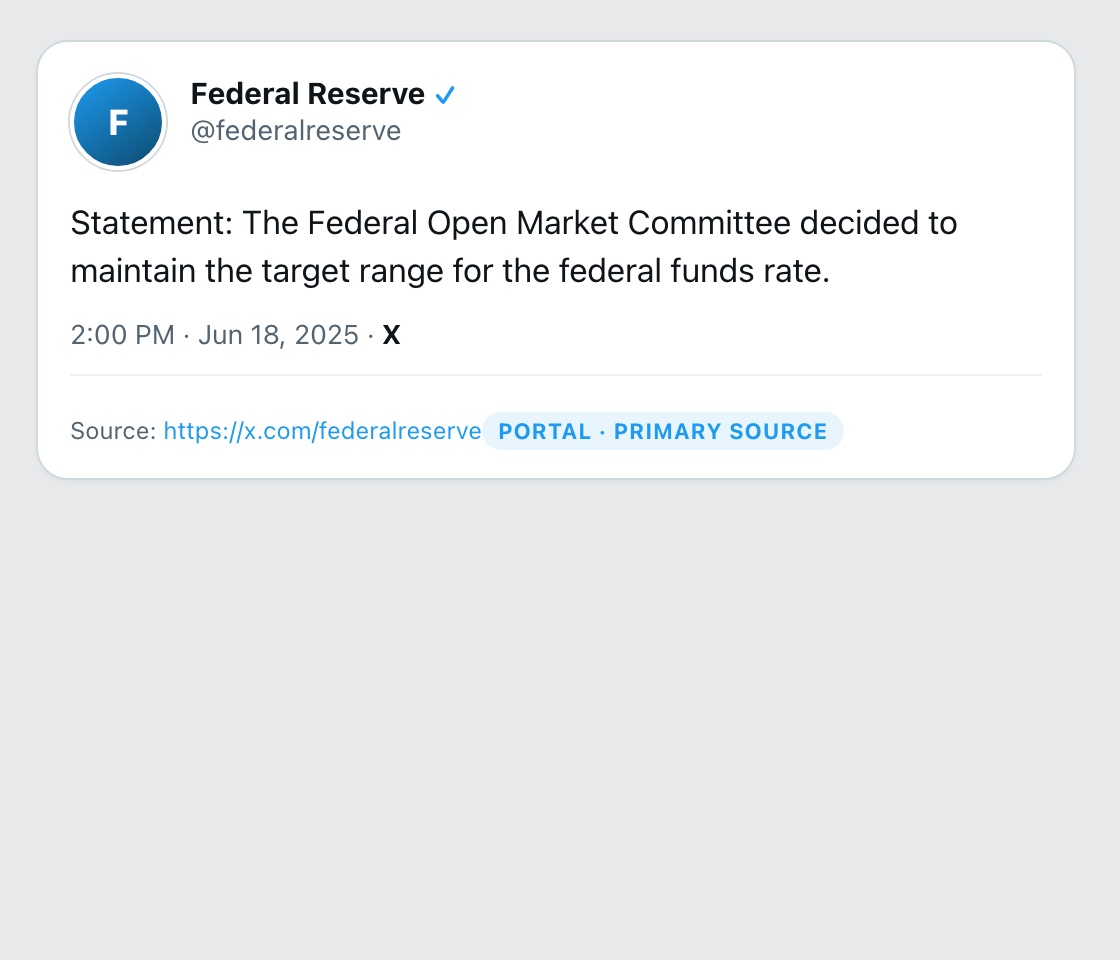
It is fascinating to observe how both parties exhibit amnesia regarding their own past actions when in opposition. Democrats, who once criticized the Trump administration for rolling back environmental regulations, have now found themselves in a position where they must justify new rules that might be seen as excessive or burdensome. Conversely, Republicans who once championed deregulation are now sounding the alarm over the potential negative impacts of these new rules on businesses and the economy.
"The irony is palpable: the very regulations that were once heralded as necessary are now deemed excessive."
Take the EPA's proposed emissions standards. Environmental activists argue that these regulations are crucial for combating climate change and protecting public health. They cite overwhelming scientific consensus on the dangers of greenhouse gas emissions. Yet, some lawmakers, particularly from fossil fuel-heavy states, have labeled these standards as job-killers, claiming they will stifle economic growth and drive up energy prices.
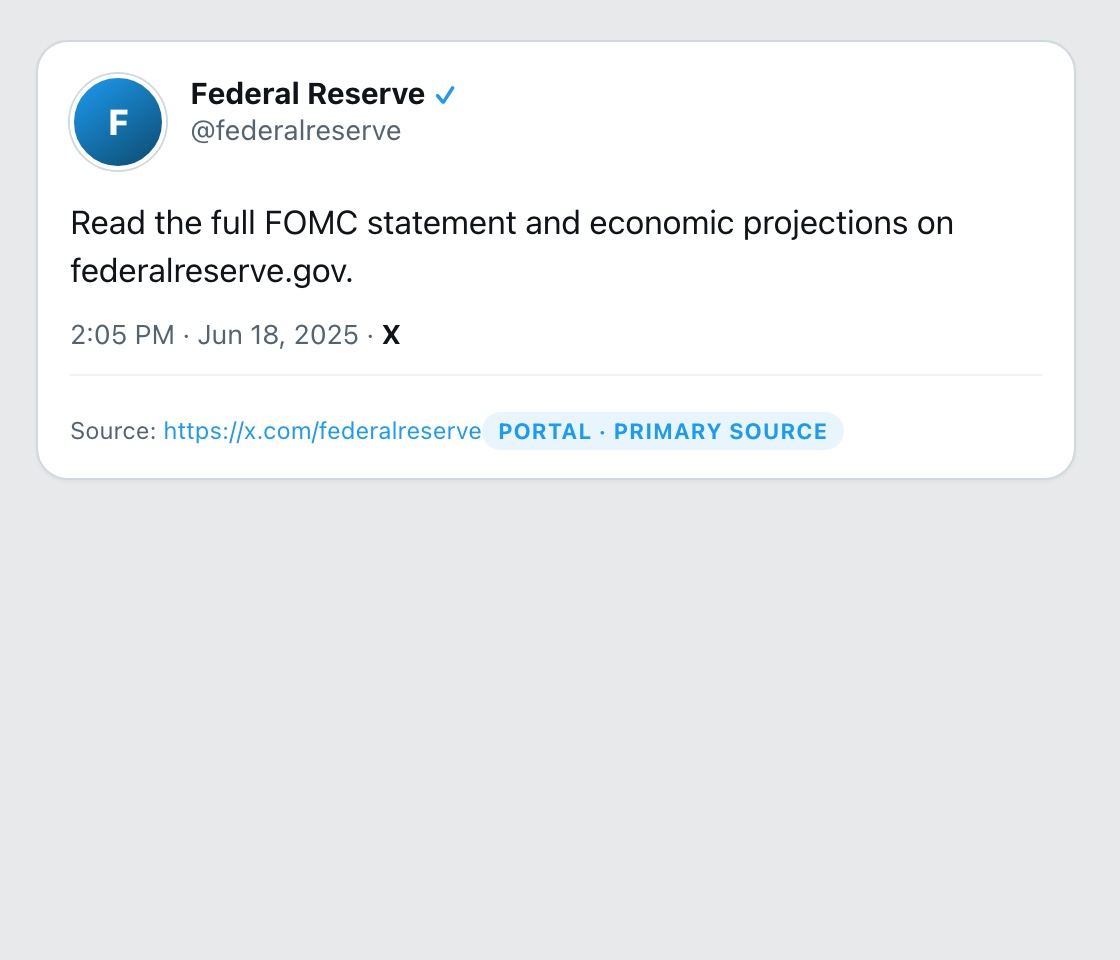
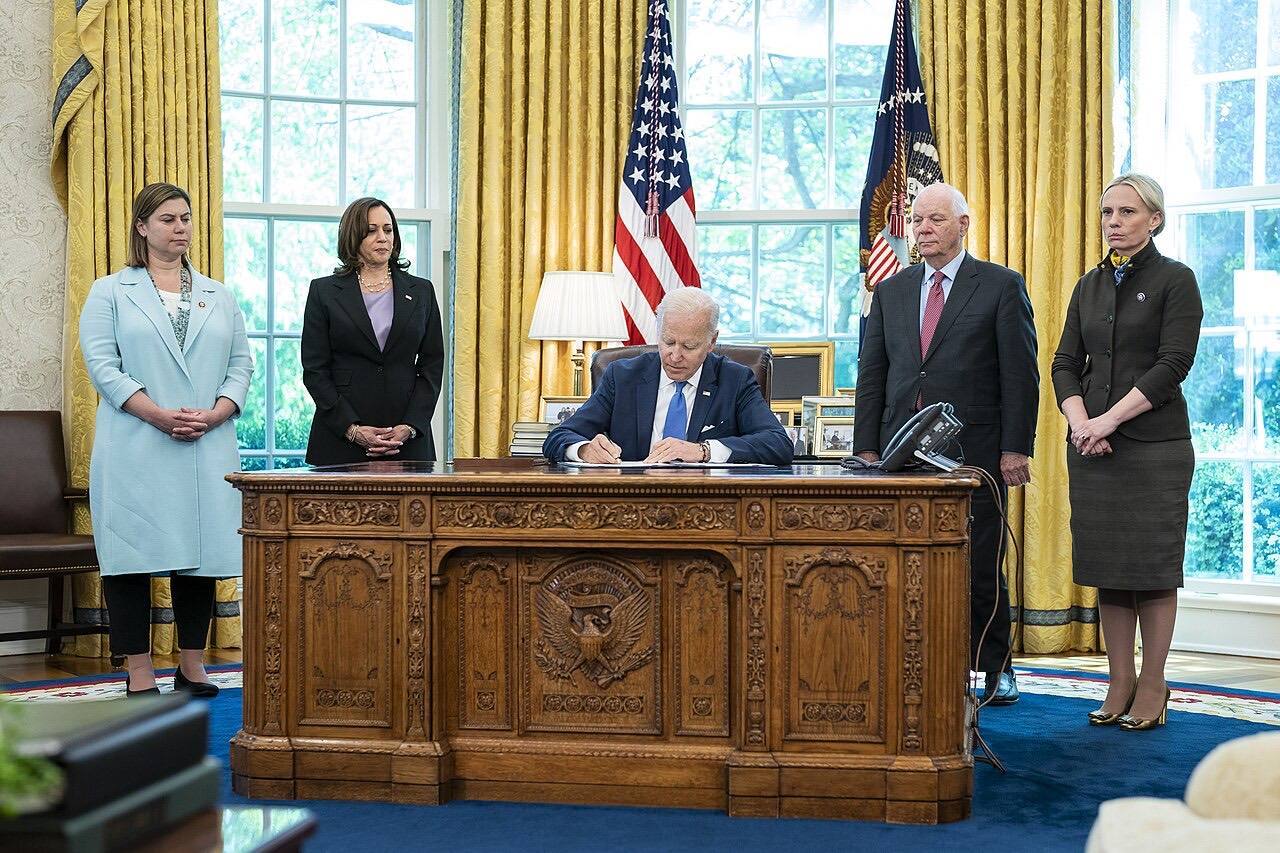
On the flip side, the Democrats, who might have previously overlooked the economic costs of stringent regulations, now find themselves defending their own actions while accusing Republicans of hypocrisy. This ongoing tug-of-war highlights a larger issue: the tendency of both parties to manipulate facts to fit their narratives, often at the expense of reasoned debate.
The Impact on Everyday Lives
As these agencies forge ahead with rulemaking, the consequences of this partisan back-and-forth are felt by everyday Americans. Workers may benefit from improved safety regulations, but they also face the risk of job loss if businesses struggle to comply with new standards. Consumers may see short-term benefits from environmental protections, but they could also bear the brunt of rising prices as companies pass on costs.
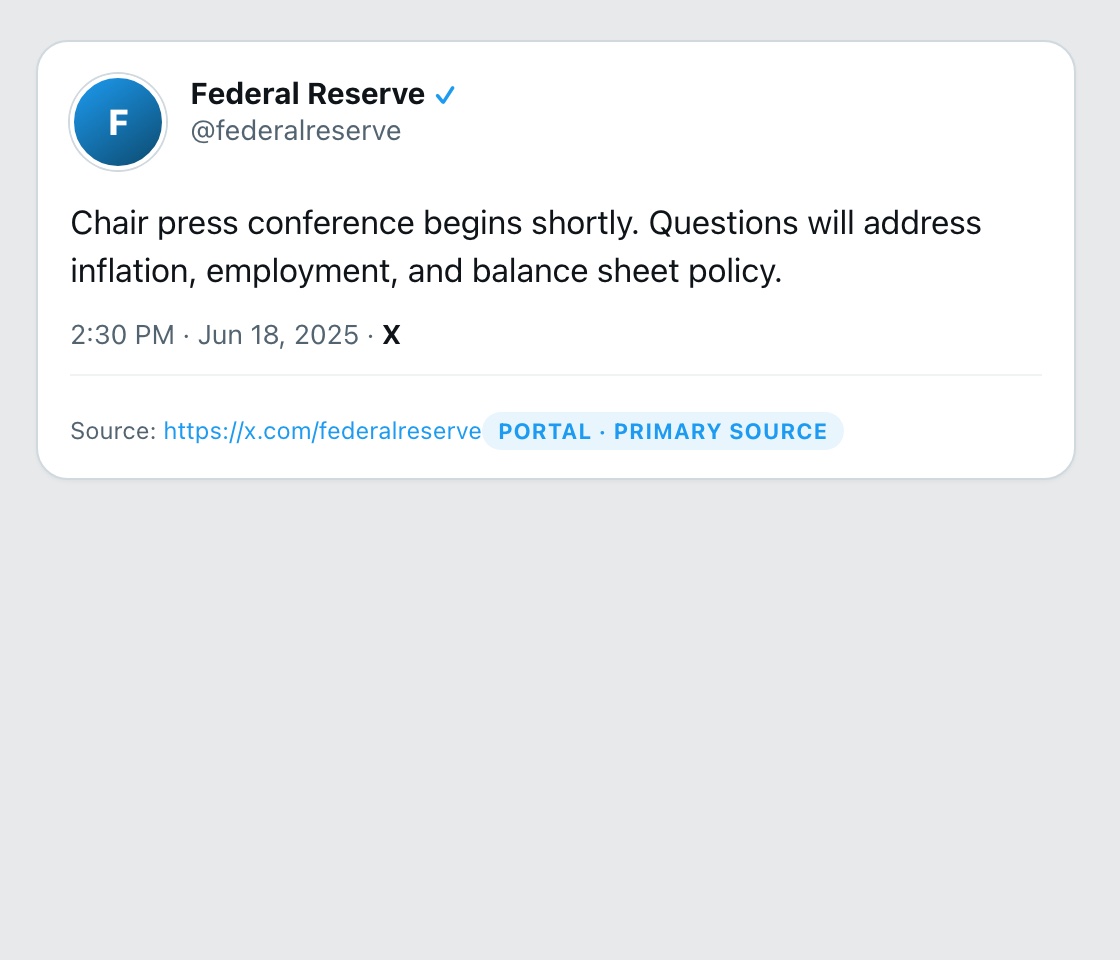
Moreover, the ongoing debate around these regulations often overlooks the fact that they can be a necessary compromise between competing interests. Balancing economic growth and environmental sustainability is no small task, yet it is often simplified into a binary choice. This reductionist approach stifles constructive dialogue, pushing both parties to retreat to their corners.
The Role of Transparency
In the face of escalating tensions, one potential remedy could be a commitment to transparency in the rulemaking process. By ensuring that all voices are heard, including those of small businesses and community organizations, agencies could foster a more inclusive environment where the merits of new regulations are thoroughly vetted. This approach would not only enhance the legitimacy of the rulemaking process but also curtail the partisan sniping that often accompanies it.
Yet, the reality is that both parties have too often prioritized political expediency over constructive collaboration. The Democrats may push forward with their agenda, while Republicans may dig in their heels, resulting in a cycle of reactionary policymaking that leaves little room for compromise. This pattern of behavior ultimately undermines public trust in government institutions.
Looking Ahead
As 2022 draws to a close, it remains to be seen how the federal agency rulemaking landscape will evolve in the coming year. Will lawmakers embrace a more collaborative approach, or will they continue to engage in a cycle of selective memory and partisan warfare? The stakes are high, and the answers will shape the future of American governance.
The bipartisan habit of selective memory is an ongoing challenge that risks further polarizing an already divided nation. For the sake of effective policy and governance, it is essential for both sides to acknowledge their pasts and focus on solutions that benefit all Americans, rather than indulging in the politics of blame.
✦ ✦ ✦