From the file. Written for the paper dated October 2022. Opened in the public stacks July 14, 2026.
In a week defined by heightened tensions and fervent discussions surrounding voting machinery, both sides of the political spectrum have unveiled their respective narratives, often straying into the territory of hyperbole and alarmism.
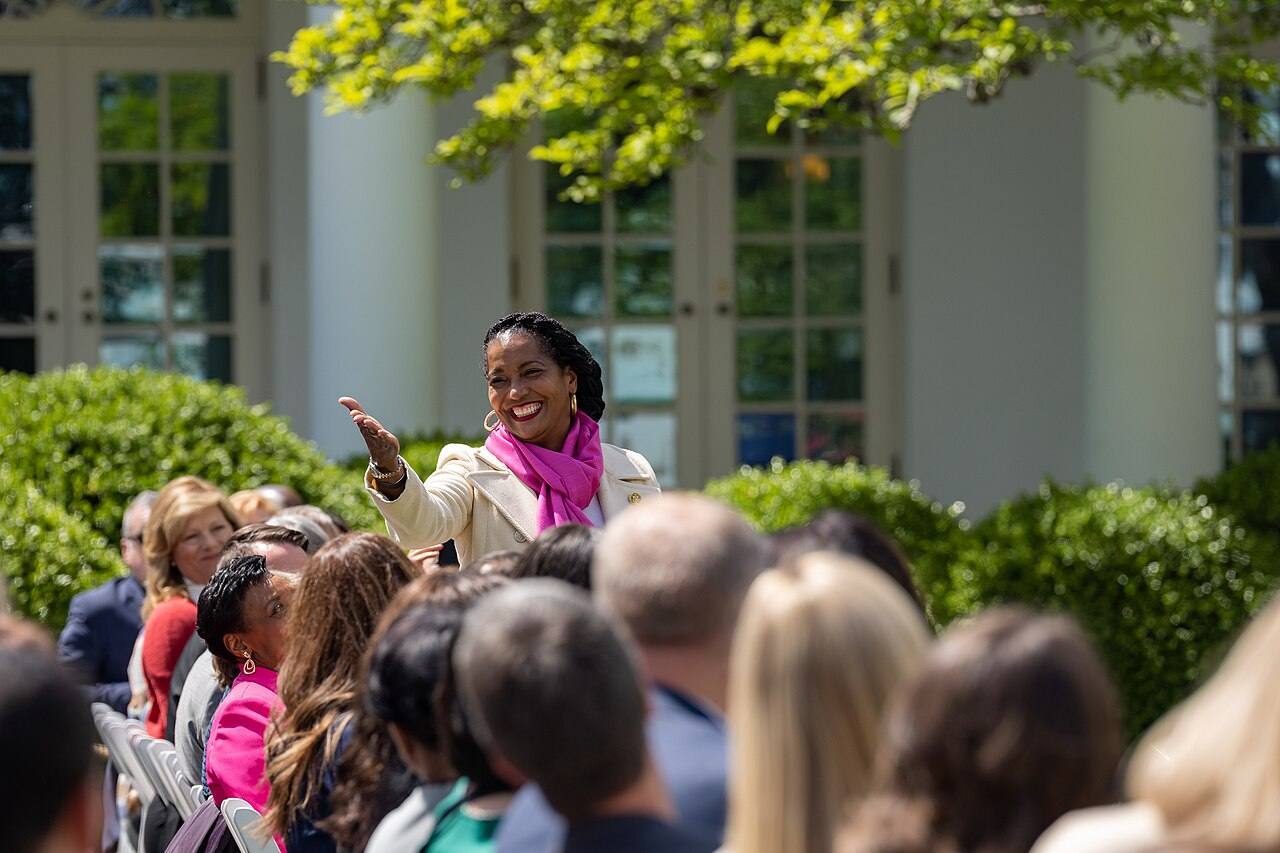
The Machinery of Democracy Under Scrutiny
The debates surrounding voting machinery have reached a fever pitch as midterm elections approach. On one hand, proponents of election security insist that aging machines pose a threat to the integrity of the electoral process. On the other, some voices argue that such concerns are merely a guise for voter suppression efforts. The truth is that the state of our voting machinery is complex and requires a balanced examination, rather than alarmist rhetoric.
"In the quest for election integrity, we must not lose sight of the very democratic principles we seek to uphold."
For many voters, the reliability of voting machinery is paramount. Reports of malfunctioning machines and long lines at polling places have been prevalent this election cycle. Critics of outdated voting systems argue that these technological failings can disenfranchise voters, particularly in communities that are already marginalized. Yet some political leaders have seized on these fears, amplifying them to suggest a widespread conspiracy against the electoral process.

On the left, there are calls for significant investments in modernizing voting technology, emphasizing the need for secure and accessible options. Advocates argue that newer systems, such as paper ballots combined with electronic tabulators, could mitigate the risks posed by aging machines. However, the left’s passion for reform can sometimes border on overzealousness, risking alienation of moderate voices who may align with the need for reform but resist drastic changes.
Alarmism on the Right
Conversely, the right is not immune to its own brand of excess. Some conservative commentators have claimed that the very fabric of our democracy is at stake, invoking imagery of widespread fraud that is largely unsubstantiated. While concerns about election integrity are valid, the tendency to sensationalize these fears can lead to an erosion of public trust in the electoral system itself. This narrative has been exacerbated by the propagation of conspiracy theories that lack credible evidence.
What’s troubling is that both extremes are effectively talking past each other. The left is focused on the risks posed by outdated technology while the right fixates on potential fraud without addressing the actual mechanics of voting. This disconnect fosters an environment ripe for division, where rational discussion about necessary reforms becomes overshadowed by a battle of narratives.

As we navigate through this contentious terrain, it is imperative to focus on actionable solutions that can garner bipartisan support. Investments in technology should not be viewed through a partisan lens. Policymakers should prioritize funding for modern voting systems that bolster security and accessibility. This requires collaboration and a willingness to listen to concerns from both sides, rather than resorting to entrenched positions that only serve to deepen the divide.
Proposals for Improvement
Among the suggestions put forth by experts is the implementation of risk-limiting audits for elections, which could provide a safeguard against discrepancies and bolster public confidence in the outcomes. Additionally, expanding access to early voting and mail-in ballots could alleviate some of the pressure on voting day while ensuring that more citizens can participate in the democratic process without obstruction.
Moreover, education campaigns aimed at demystifying the voting process and the technology involved could go a long way in assuaging fears. By informing voters about how machines work and the protocols in place to ensure security, we can combat misinformation that threatens the integrity of our elections. This is not just a matter of technology; it’s about restoring faith in the system.
In conclusion, while the concerns surrounding voting machinery are legitimate, we must resist the urge to succumb to extremes. The focus should be on pragmatic solutions that enhance the electoral process rather than sensationalist narratives that deepen the divide. As we approach the midterm elections, let us engage in constructive dialogue that prioritizes the integrity of our democracy.
✦ ✦ ✦