From the file. Written for the paper dated October 2022. Opened in the public stacks July 14, 2026.
As the nation braces for the critical midterm elections, the spotlight is once again on the machinery that underpins our democracy. This week, discussions around voting technology have intensified, revealing the stark divides in perception and policy between the left and the right.

The State of Voting Machinery
The conversation surrounding voting machinery has taken on a new urgency, especially as allegations of fraud and security vulnerabilities are weaponized by both sides. On one hand, progressives advocate for modernizing systems to ensure accessibility and integrity, while conservatives often raise alarms about potential threats, sometimes veering into conspiracy theories.
In many states, the push for new voting technologies is met with resistance. Critics argue that the current systems are outdated and prone to errors, yet the response often turns political rather than practical. For instance, some Democratic-led states are investing in advanced ballot scanning machines and user-friendly interfaces, but these efforts are frequently dismissed by Republican officials who claim they open doors to fraud.
“We need to ensure every eligible voter can access the ballot, but we also must guard against any potential threats to our electoral integrity.”
Access vs. Security
The debate intensifies when we consider the balance between access to voting and the security of the election process. Many Democrats argue that expanding access - through measures like automatic voter registration and early voting - should be a priority. But this is often met with skepticism from the right, who argue that such measures can lead to increased opportunities for misconduct.
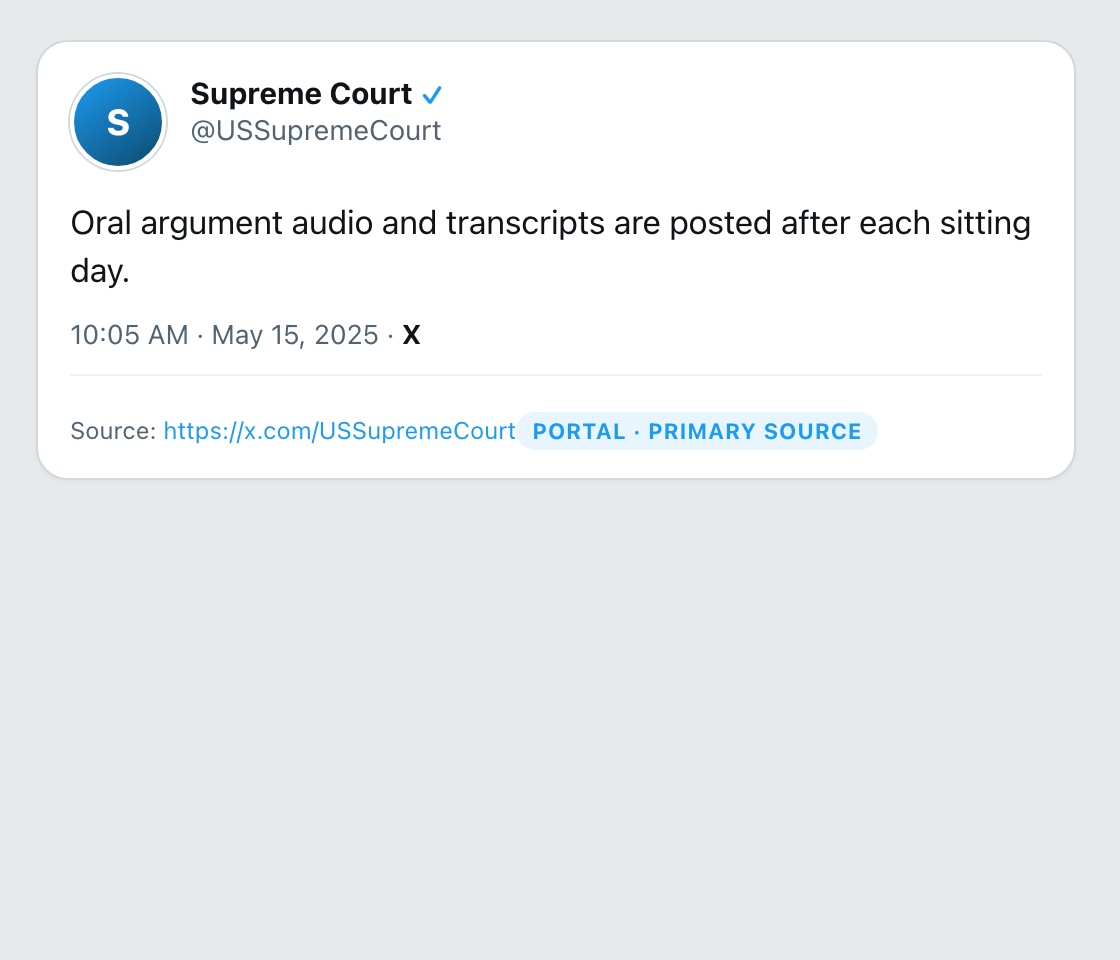
This week, multiple states are grappling with implementing new voting systems, and the discussions are often fraught with tension. While some Republican lawmakers across the country are pushing for stricter voter ID laws, Democrats are calling for the elimination of unnecessary barriers that disproportionately affect marginalized communities.
Political Fallout
The fallout from these debates can be seen not just in legislative chambers but also in the broader political landscape. As narratives around voting integrity become increasingly polarized, both sides risk alienating voters. For instance, while Republicans may think they are championing voter security, their rhetoric can sometimes come off as suppressive to those who feel targeted by stringent laws.
On the other hand, Democrats risk appearing overly idealistic if they fail to acknowledge genuine concerns about election security. This week, President Biden reiterated the importance of protecting democracy, yet he also called for a collaborative approach to ensure that the rights of all voters are safeguarded. The challenge remains: how to address these pressing issues without falling into the trap of partisan extremism.
Looking Ahead
As the midterm elections loom, the pressure to finalize voting technologies and policies is palpable. States like Pennsylvania and Georgia are at the forefront of these discussions, with ongoing controversies surrounding their voting systems. In Pennsylvania, for example, a push for new voting machines has been met with legal challenges, while Georgia's election laws have sparked nationwide discussions about voter suppression.
In the coming weeks, it will be essential for both parties to engage in constructive dialogue about voting machinery. The stakes are high, not just for the elections but for the future of democratic engagement in the U.S. Both sides need to recognize that while their concerns may differ, the goal of preserving a fair electoral process is one that should unify them.
In conclusion, as we navigate this critical juncture, it is vital to advocate for solutions that prioritize both accessibility and security. The onus is on lawmakers, activists, and voters alike to demand a voting system that reflects the values of democracy while safeguarding its integrity.
✦ ✦ ✦