From the file. Written for the paper dated October 2022. Opened in the public stacks July 14, 2026.
In a week marked by rising tensions in the financial sector, the discourse surrounding bank regulation has intensified, revealing stark contrasts in perspectives from both ends of the political spectrum.

Regulatory Push and Political Polarization
As lawmakers and regulators grapple with the implications of recent banking practices, the divide between left and right ideologies has become increasingly evident. On one side, progressives are championing robust regulatory measures aimed at preventing the kind of reckless behavior that led to previous financial crises. On the other, conservatives argue that overregulation stifles innovation and economic growth, favoring a more hands-off approach.
This week, the Democratic leadership has pushed for an expansion of regulatory frameworks that would impose stricter capital requirements on banks, particularly those deemed “too big to fail.” This move is largely inspired by the belief that larger financial institutions pose systemic risks to the economy. However, the proposed measures have sparked criticism from the right, who contend that such regulations could lead to a credit crunch that would ultimately hurt small businesses and consumers.

“Regulations should protect consumers, not create barriers to economic growth,” an influential conservative senator remarked during a recent press conference.
Contributors to the debate from the left have expressed concerns that without stringent oversight, banks could engage in risky lending practices that disproportionately affect low-income communities. They argue that the financial sector must be held accountable, especially in light of the ongoing economic recovery and inflationary pressures that are already weighing on vulnerable populations.
Regulatory Developments and Market Reactions
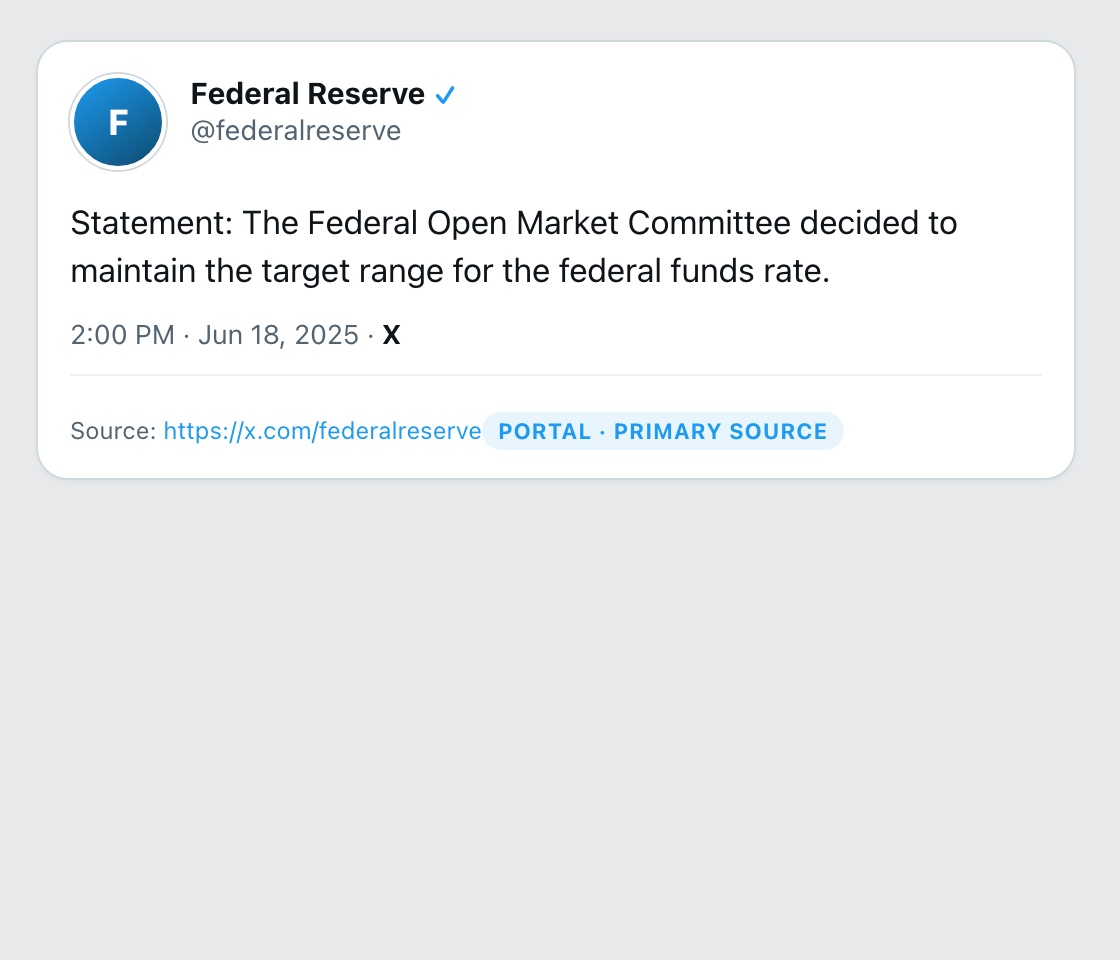
The week saw the Federal Reserve release a report indicating that the banking system remains resilient, yet they cautioned against complacency. This statement has prompted mixed reactions from market analysts. Some view it as a signal that the Fed is unlikely to implement drastic regulatory changes in the immediate future, while others interpret it as an indication that the status quo may not be sufficient to safeguard against emerging risks.
In the wake of these discussions, several large banks have begun to reevaluate their lending practices, particularly in light of rising interest rates. Financial institutions are now faced with the challenge of balancing profitability with responsible lending as they prepare for potential regulatory shifts. Analysts predict that banks may adopt a more conservative approach, prioritizing loan quality over quantity.
Public Sentiment and Financial Stability
Public sentiment appears to be split as well, with many Americans expressing distrust in the financial system. Polls indicate that a significant portion of the population believes that banks prioritize profit over consumer welfare. This distrust complicates the regulatory landscape, as policymakers must navigate a delicate balance between fostering consumer confidence and allowing financial institutions the freedom to operate effectively.
The left’s call for more consumer protection measures, including increased transparency in loan terms, has gained traction among constituents. Meanwhile, the right emphasizes the importance of protecting free-market principles and argues that heavy-handed regulations could deter investment in the banking sector.
A Call for Moderation
As both sides continue to stake their claims, there is a growing call for moderation. Moderates from both parties are advocating for a balanced approach that combines the need for regulatory oversight with the importance of maintaining a vibrant banking sector. These voices argue that effective regulation does not have to come at the expense of economic growth.
One potential solution being discussed is the establishment of a regulatory framework that focuses on risk management while allowing banks the flexibility to innovate. This middle-ground approach could create a more sustainable financial environment that supports both consumer protection and economic development.
Conclusion
In a week characterized by stark contrasts in the debate over bank regulation, the necessity for a balanced approach has never been clearer. As the financial landscape continues to shift, lawmakers must find common ground to ensure that the banking system remains both robust and accountable to the American people. The challenges ahead will require thoughtful dialogue and collaboration across the political spectrum, lest the nation finds itself navigating yet another turbulent chapter in its financial history.
✦ ✦ ✦