From the file. Written for the paper dated September 2022. Opened in the public stacks July 14, 2026.
In a time when public trust in institutions is waning, a recent survey reveals troubling insights that challenge both the left and right narratives surrounding faith in government and media.
The Trust Deficit
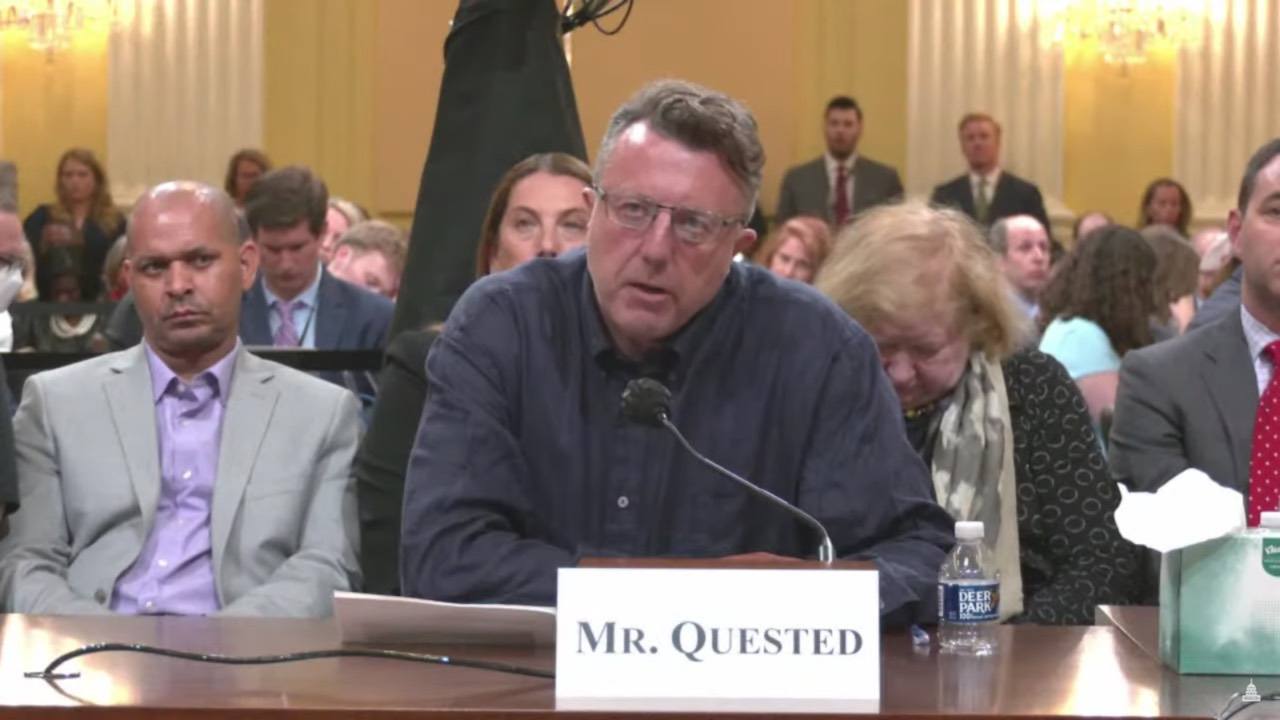
As the results of the latest public trust survey trickle in, it's clear that a significant portion of the American populace is grappling with skepticism towards both government institutions and media organizations. While some pundits rush to assign blame to one side or the other, the reality is more complicated than a simple partisan divide. Both the left and the right have cultivated environments that contribute to this growing distrust.

The survey indicates a sharp decline in trust among various demographic groups, with younger Americans expressing particularly high levels of skepticism. This demographic often feels alienated by the political discourse that seems tailored for older generations, leaving them wondering if their voices are even being heard. Such a disconnect fuels mistrust, particularly when issues that matter to them - like climate change and economic inequality - are sidelined in favor of partisan squabbles.
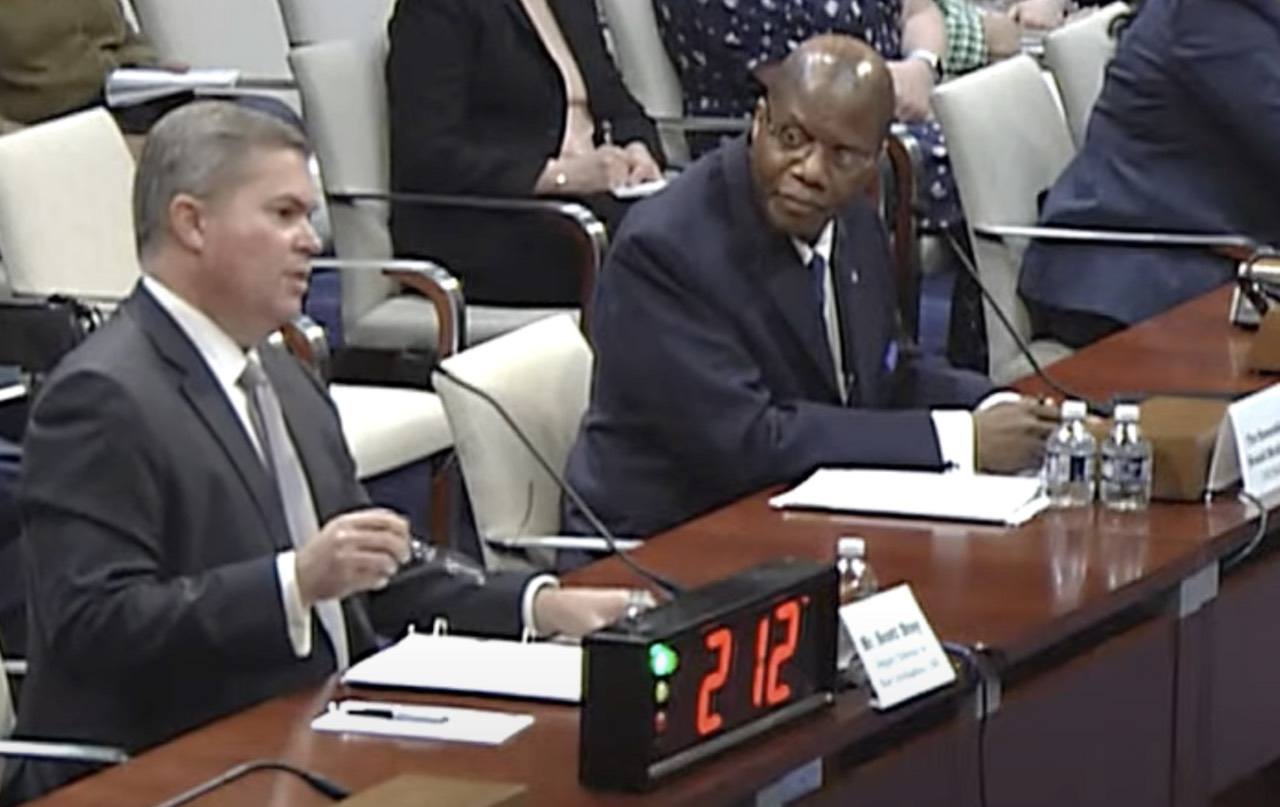
"Our institutions are failing to adapt to the needs of a rapidly changing society, leaving many feeling disillusioned."
Left and Right: A Tug-of-War
The left tends to frame the issue of public trust through a lens of systemic injustice and inequality. Yet, in doing so, they often overlook the complexity of the situation. The constant barrage of reports about corruption, ineffectiveness, and mismanagement can lead to a sense of hopelessness that is palpable among constituents. While it is essential to hold power accountable, the left sometimes risks alienating potential allies by focusing solely on the negative aspects of governance without offering constructive solutions.
Meanwhile, the right capitalizes on this discontent by amplifying narratives that paint all government actions as inherently flawed. This rhetoric can lead to a dangerous oversimplification of issues, where any attempt to reform is met with suspicion and hostility. The right's disdain for 'big government' often translates into a lack of faith in public institutions, which, ironically, exacerbates the very problem they seek to address. In their quest to dismantle what they perceive as an overreaching government, they may inadvertently contribute to a culture of distrust that further erodes public confidence.
Media's Role in the Trust Equation
The media landscape is equally culpable in this erosion of trust. With sensationalism often taking precedence over substantive reporting, many Americans feel overwhelmed by the noise rather than informed by the news. Both sides of the political aisle have their favored outlets, which tends to reinforce echo chambers where dissenting opinions are often dismissed. This polarization creates a situation where people are less likely to engage with opposing viewpoints, further perpetuating distrust.
A Call for Honest Dialogue
So where do we go from here? The first step toward rebuilding public trust is acknowledging the complexities of the issue. Both sides must engage in honest dialogue that prioritizes understanding over blame. This includes recognizing that distrust is often rooted in legitimate grievances and not simply a failure to be informed. Acknowledging these feelings can pave the way for more constructive conversations about governance and media practices.
Moreover, media organizations must take a hard look at their practices and consider ways to restore credibility. This could involve prioritizing investigative journalism that seeks to uncover truths rather than sensationalize events. By providing context and nuance, the media can play a vital role in bridging the trust gap between citizens and institutions.
Ultimately, rebuilding trust is a collective effort that requires participation from all corners of society. It is not enough to simply point fingers or declare one side the enemy. Instead, we must work toward a more informed and engaged citizenry that holds institutions accountable while also recognizing their potential for positive change.
Conclusion
In this complex landscape of distrust, it is imperative that both the left and the right engage in meaningful conversations about governance and media. Only through collective understanding and a commitment to accountability can we hope to restore faith in our institutions and each other.
✦ ✦ ✦