From the file. Written for the paper dated September 2022. Opened in the public stacks July 14, 2026.
In the current polarized media landscape, the rise of team journalism has sparked a fervent debate about its implications for truth and objectivity. This model, often celebrated for its collaborative nature, invites scrutiny when we consider the underlying procedures that go unnoticed, yet shape the narratives we consume.

Understanding Team Journalism
Team journalism, defined by collaborative reporting efforts, has been championed as a method that pools diverse perspectives to produce comprehensive stories. Proponents argue that this approach can lead to more thorough investigations, drawing on the strengths of various reporters who specialize in different areas. However, the very process that is designed to enhance journalistic rigor may simultaneously undermine the essence of independent inquiry.

The Hidden Dangers
At its core, team journalism often involves a consensus-driven approach, which can dilute the individual reporter's voice and critical perspective. When journalists come together, there is a risk of conforming to a collective narrative that may be influenced by the loudest voices in the room. This can lead to a homogenization of viewpoints, with dissenting opinions sidelined in favor of a unified story.
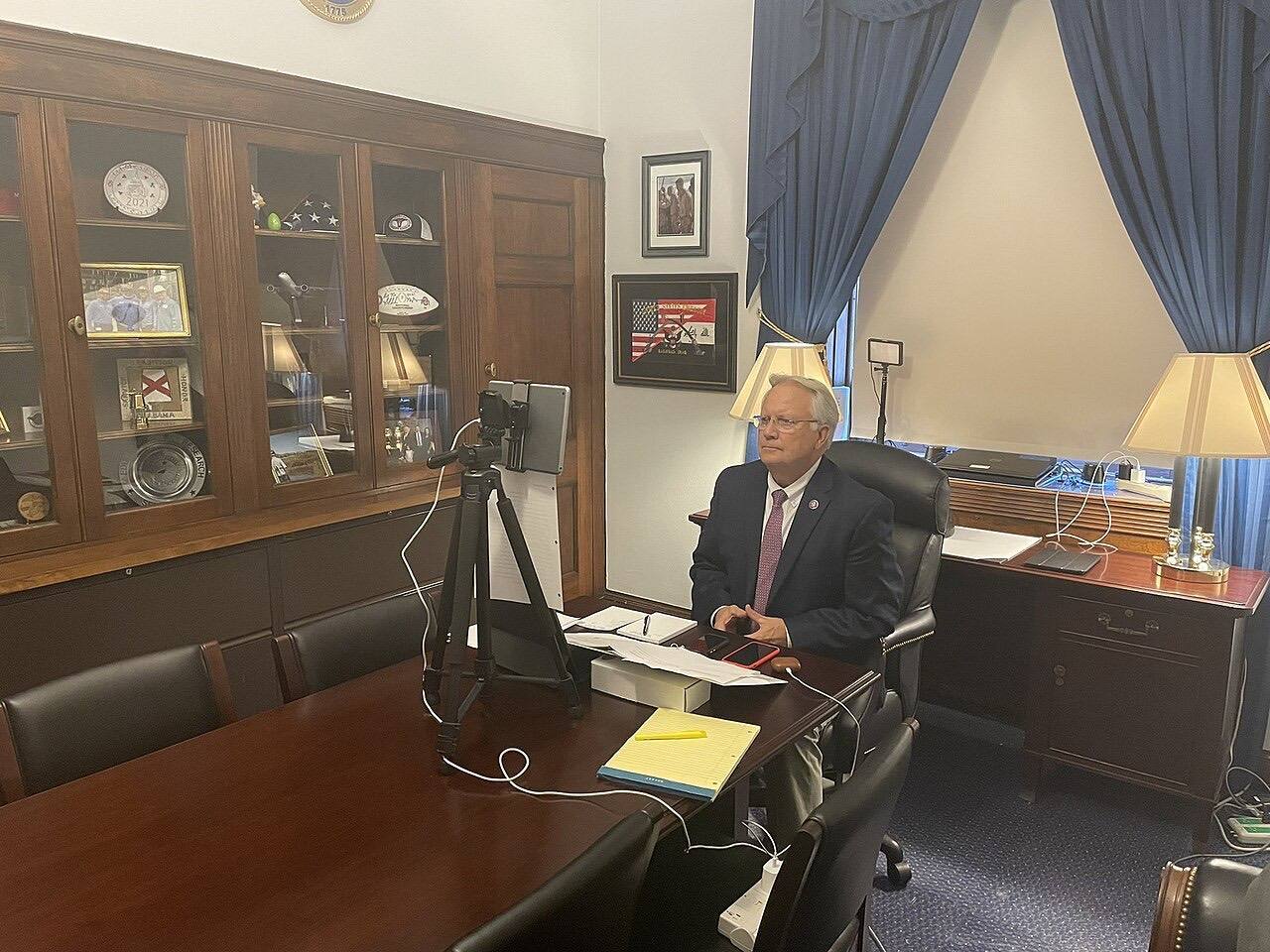
The procedure nobody wants to discuss is not just about teamwork but about whose voices are amplified and whose are muted.
Polarization and Groupthink
In an age where political and social polarization is rampant, team journalism can inadvertently exacerbate groupthink. Rather than challenging prevailing narratives, teams may reinforce them, creating an echo chamber that stifles innovation and critical thinking. This phenomenon is particularly evident in newsrooms where the ideological leanings of a group can profoundly shape the news agenda.

Take, for instance, coverage surrounding contentious issues such as climate change or immigration. Teams composed of like-minded individuals might produce content that aligns with their shared beliefs, neglecting alternative viewpoints that could enrich the discussion. This is not an indictment of the individuals involved but rather a critique of the systemic pressures that promote conformity over diversity.
The Role of Leadership
Leadership within news organizations plays a pivotal role in shaping the team journalism model. Editors and managers who prioritize consensus may inadvertently stifle dissent and discourage reporters from pursuing independent lines of inquiry. This can create an environment where stories are crafted to fit a predetermined narrative, compromising journalistic integrity in the process.
Critique of Partisan Media
The rise of partisan media outlets has further complicated the dynamics of team journalism. As news organizations align themselves with specific ideologies, the pressure to conform to a narrative that resonates with their audience becomes palpable. In such an environment, journalists may feel compelled to prioritize the expectations of their audience over the pursuit of truth.
Both sides of the political spectrum are guilty of this excess. Left-leaning outlets may prioritize social justice narratives at the expense of nuanced coverage, while right-leaning counterparts often emphasize sensationalism over substance. In both cases, team journalism can become a tool for advocacy rather than a vehicle for informed discourse.
The Need for Independent Voices
To counteract the pitfalls of team journalism, it is essential to champion independent voices within newsrooms. Individual reporters should be encouraged to pursue stories that challenge the status quo, even if they run counter to the collective narrative. This can be facilitated through editorial policies that promote diverse perspectives and reward investigative reporting.
Moreover, fostering a culture of open dialogue can help mitigate the risks associated with groupthink. Encouraging team members to engage in constructive debate can lead to richer, more nuanced coverage that reflects the complexities of the issues at hand.
A Call for Reflection
As we navigate this contentious media landscape, it is crucial to reflect on the implications of team journalism. While the collaborative approach has its merits, we must remain vigilant against the tendency to prioritize consensus over truth. The procedure nobody wants to discuss is not just about teamwork but about whose voices are amplified and whose are muted.
In the end, journalism should not merely reflect the prevailing sentiments of a group. It must challenge, provoke, and inspire critical thought. Only then can we hope to reclaim the integrity of the profession and provide the public with the diverse perspectives they deserve.
✦ ✦ ✦