From the file. Written for the paper dated August 2022. Opened in the public stacks July 14, 2026.
In an era rife with sensational headlines and partisan shouting matches, the often-overlooked intricacies of legislative process have never been more crucial. Yet, both sides of the political aisle appear more interested in noise than the nuanced work of governance.

The Machinery of Governance
The daily spectacle of political theater has overshadowed the painstaking legislative processes that underpin effective governance. Every day, we see politicians engage in grandstanding, fueled by the desire for media attention rather than meaningful action. The left and right have both contributed to this cacophony, distorting the public's understanding of how laws are actually made.
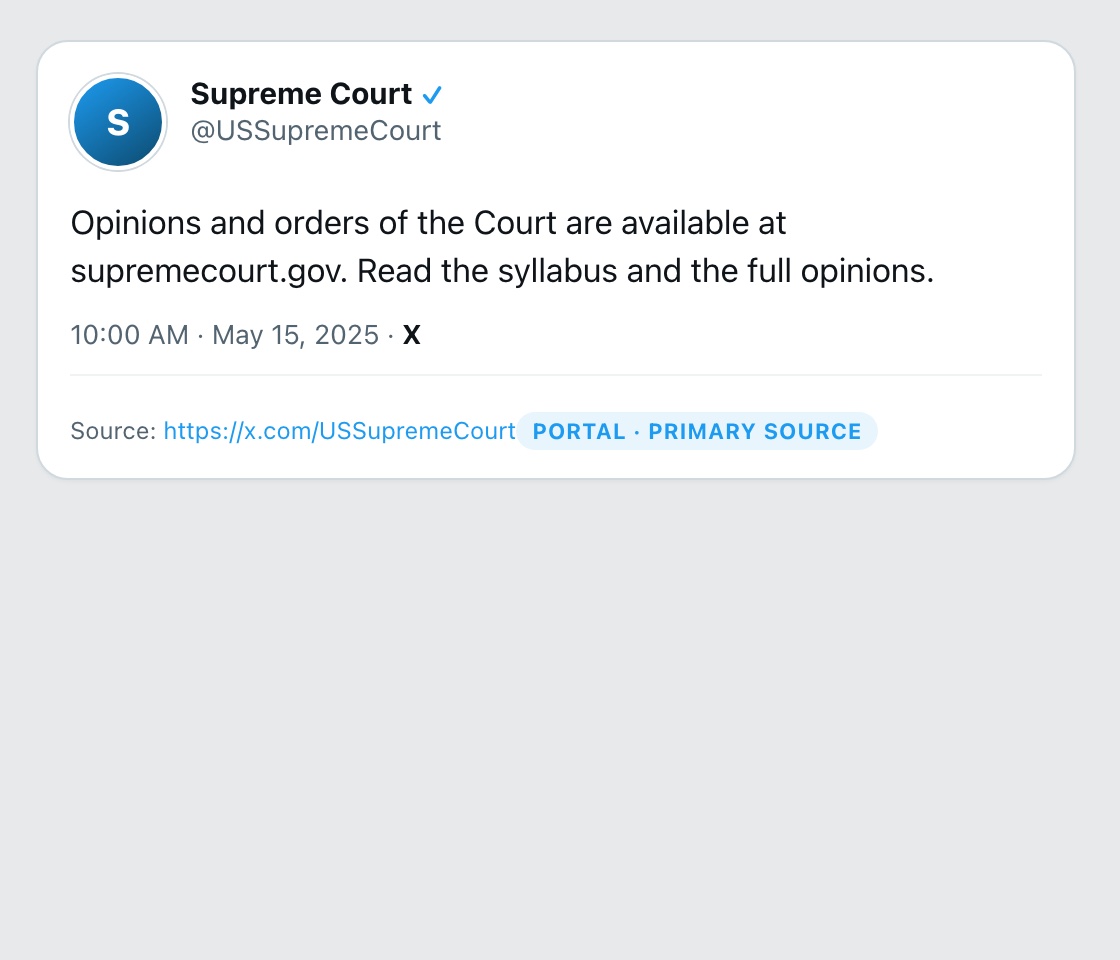
On the left, progressive voices often emphasize the urgency of sweeping reforms, from climate action to healthcare. While these issues are undoubtedly pressing, the approach taken by some advocates can sometimes equate to shouting into a void. Rather than building coalitions and engaging in the gritty work of negotiation, there is a tendency to focus on the emotional appeal of their causes. This can alienate potential allies and stall progress.

Conversely, the right has found itself entrenched in a defense of traditional values, often resorting to fear-based rhetoric to mobilize its base. This approach can lead to an oversimplification of complex issues, painting opponents as enemies rather than fellow citizens with differing views. The result is a political environment where compromise is viewed as weakness, and the process is sacrificed on the altar of ideological purity.
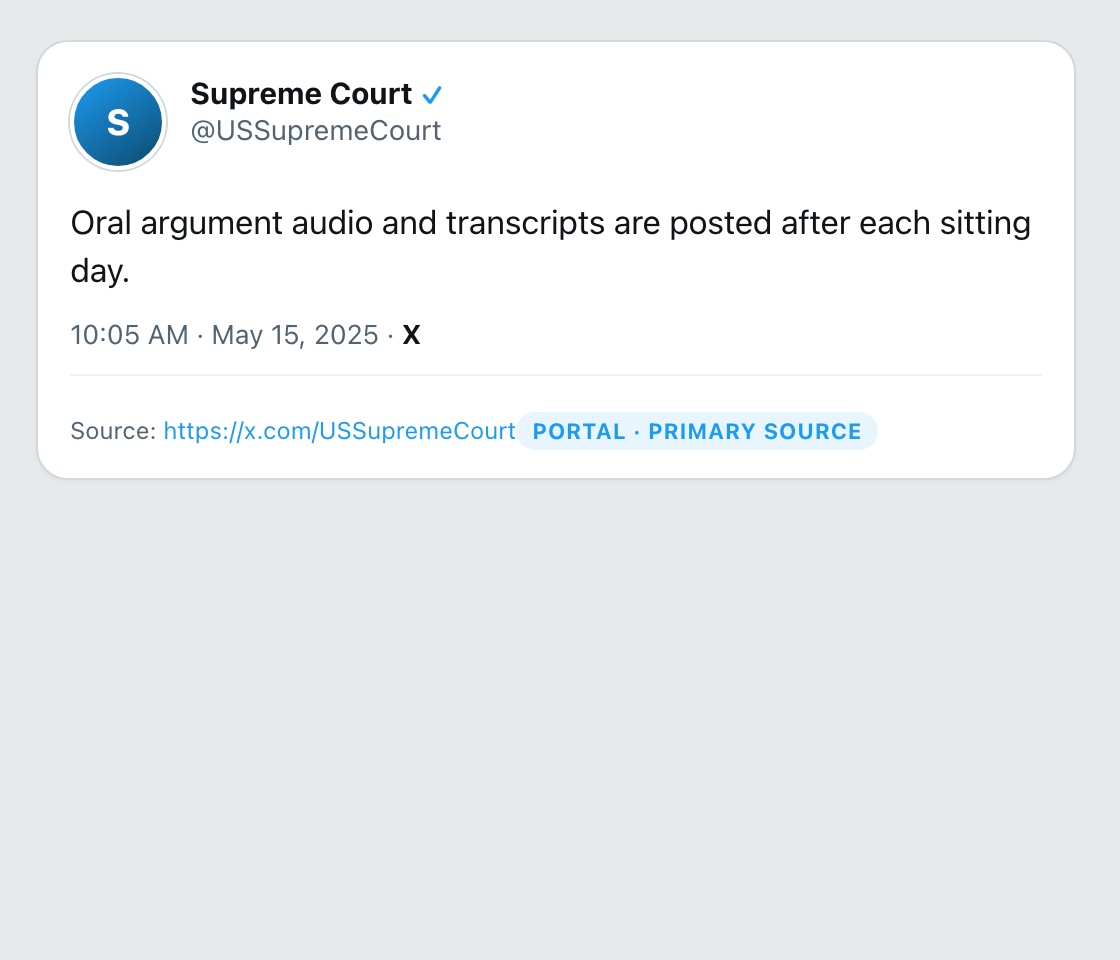
The Importance of Process
Why does the process matter? Effective governance requires collaboration, deliberation, and a willingness to engage with opposing viewpoints. The legislative process is designed to be slow and deliberate for a reason; it ensures that diverse perspectives are considered, and it allows for the refinement of ideas. When politicians prioritize performance and optics over this essential process, they risk not only their credibility but also the welfare of the constituents they serve.
The recent debates around infrastructure spending serve as a prime example. On one side, progressives pushed for a sweeping, multi-trillion-dollar investment plan. On the other, conservatives sought to limit spending and ensure that funds were directed in a way that aligned with their values. While both sides had valid points, the discourse devolved into shouting matches that left little room for meaningful dialogue. The end result was a compromise that, while imperfect, could have been stronger had both sides been willing to engage substantively rather than theatrically.
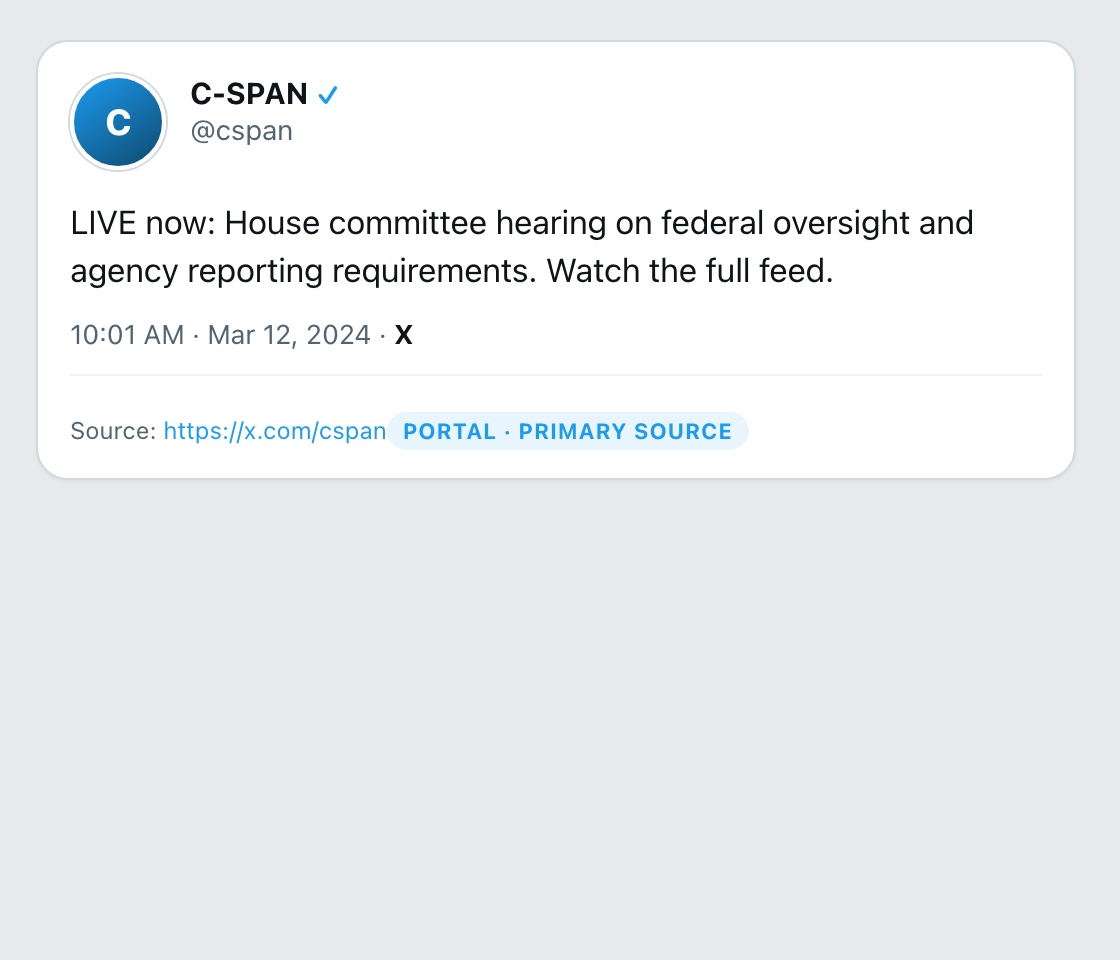
“The legislative process is designed to be slow and deliberate for a reason; it ensures that diverse perspectives are considered.”
Bridging the Divide
As citizens, we must demand better from our elected officials. The litmus test for political success should not be the ability to deliver a fiery speech or rally the base but rather the capacity to navigate the complexities of governance. We should encourage our representatives to engage in the boring, yet vital, work of policy-making - building relationships across the aisle, listening to constituents, and crafting legislation that genuinely addresses the needs of the public.
Moreover, the media has a responsibility to shift its focus from performance-driven narratives to those that highlight the often tedious but important processes of governance. Journalistic coverage should aim to educate the public about how legislation is formed, the compromises that are necessary, and the importance of bipartisan cooperation. When the media elevates the spectacle, it reinforces the notion that politics is a game rather than a serious endeavor that impacts millions of lives.
The Way Forward
To reclaim the integrity of our political system, we must collectively advocate for a return to process over performance. Citizens should engage with their representatives, urging them to prioritize substantive discussions over sound bites. Likewise, we should hold media outlets accountable for their role in perpetuating the spectacle that politics has become.
As we navigate this complex political landscape, let us remember that true progress is often made in the quiet halls of negotiation rather than the spotlight of public rallies. It is time to elevate the conversation beyond the noise and focus on the essential work of governance that affects our daily lives. In doing so, we can foster a political environment where meaningful dialogue reigns supreme, and the voices of all citizens are heard.
✦ ✦ ✦