From the file. Written for the paper dated August 2022. Opened in the public stacks July 14, 2026.
In a world increasingly captivated by the dramatic headlines of climate change and oceanic catastrophes, the true work of ocean surveying - the methodical collection of data beneath the waves - remains largely unheralded. This week, we delve into the vital yet often overlooked mechanisms that underpin ocean surveys, exploring their importance amidst the noise of contemporary discourse.

The Art of Ocean Surveying
The ocean covers more than 70 percent of our planet and serves as a vital resource that regulates climate, supports biodiversity, and sustains human life. Yet, understanding this vast and complex ecosystem requires diligent work, often uncelebrated in the face of sensational stories about rising sea levels or marine extinctions. Ocean surveys focus on the systematic gathering of data regarding everything from salinity and temperature to marine life populations and underwater geology.

Technological advancements have enabled scientists to collect data with unprecedented accuracy. Tools such as sonar mapping, autonomous underwater vehicles, and satellite imaging have revolutionized ocean surveys, allowing researchers to explore depths previously thought inaccessible. However, these advancements come with their own set of challenges, including the need for regular calibration and maintenance, which can be both costly and time-consuming.

The true work of ocean surveying is often overshadowed by the more dramatic narratives surrounding climate change.
Critique of the Climate Alarmism
As the climate crisis intensifies, it is easy to slip into alarmism. The left often champions a narrative that emphasizes urgency - proclaiming that we are on the brink of irreversible damage. While the stakes are undeniably high, this approach can sometimes overshadow the methodical work being done by scientists in the field. What is often lost in this fervor is the fundamental understanding that data collection takes time and patience. Science is not a sprint; it is a marathon.
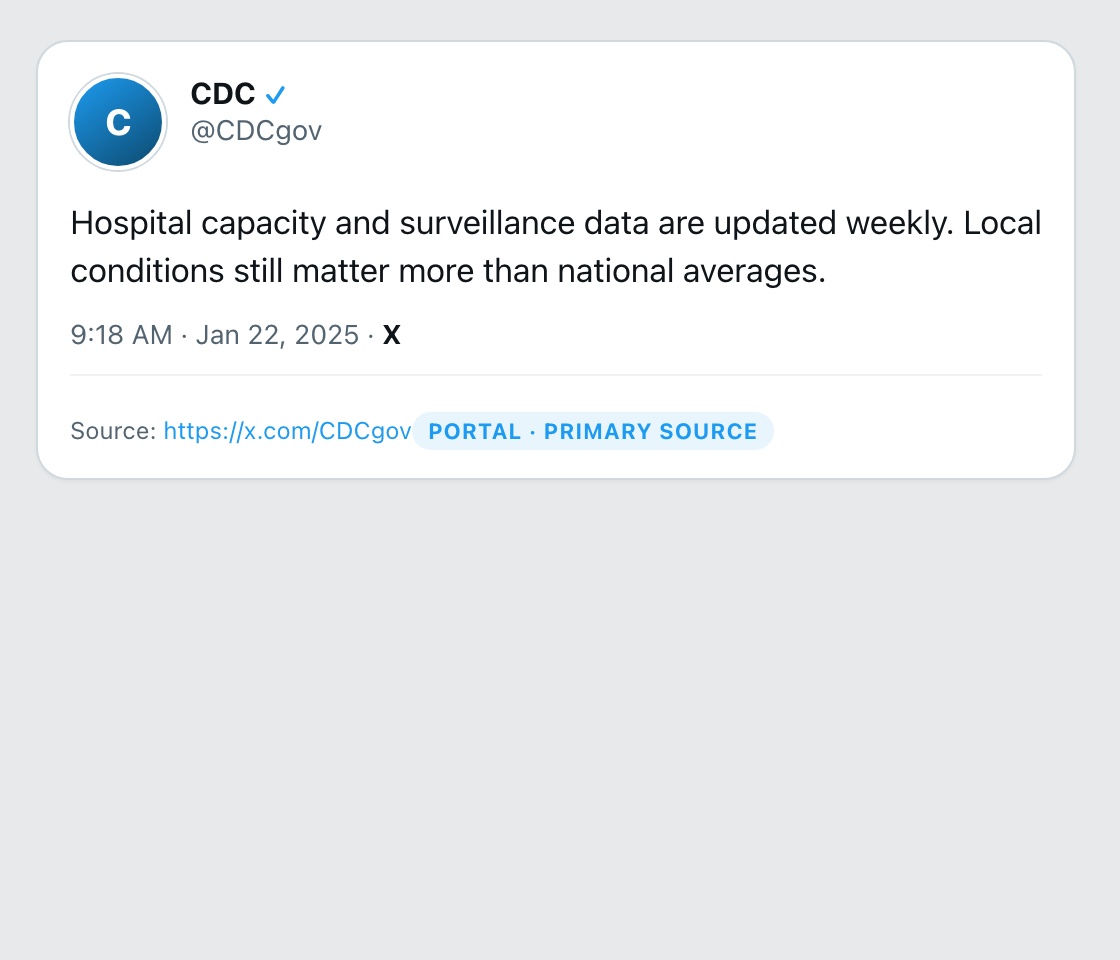
This urgency can lead to a sensationalized portrayal of ocean surveys, reducing complex scientific endeavors to mere headlines. For instance, while it is important to recognize the impact of ocean acidification, it is equally essential to appreciate the rigorous data collection and analysis that informs us about these changes. When data is misrepresented or cherry-picked, the public's understanding of these issues can become distorted, leading to apathy or even despair.
The Right's Skepticism and Its Consequences
On the other side of the political spectrum, the right often downplays climate change and, by extension, the importance of systematic ocean survey work. This skepticism can manifest in the dismissal of scientific data altogether, which is troubling given the undeniable evidence pointing toward environmental degradation. The focus on short-term economic gain over long-term sustainability can hinder meaningful investment in ocean research and conservation efforts.
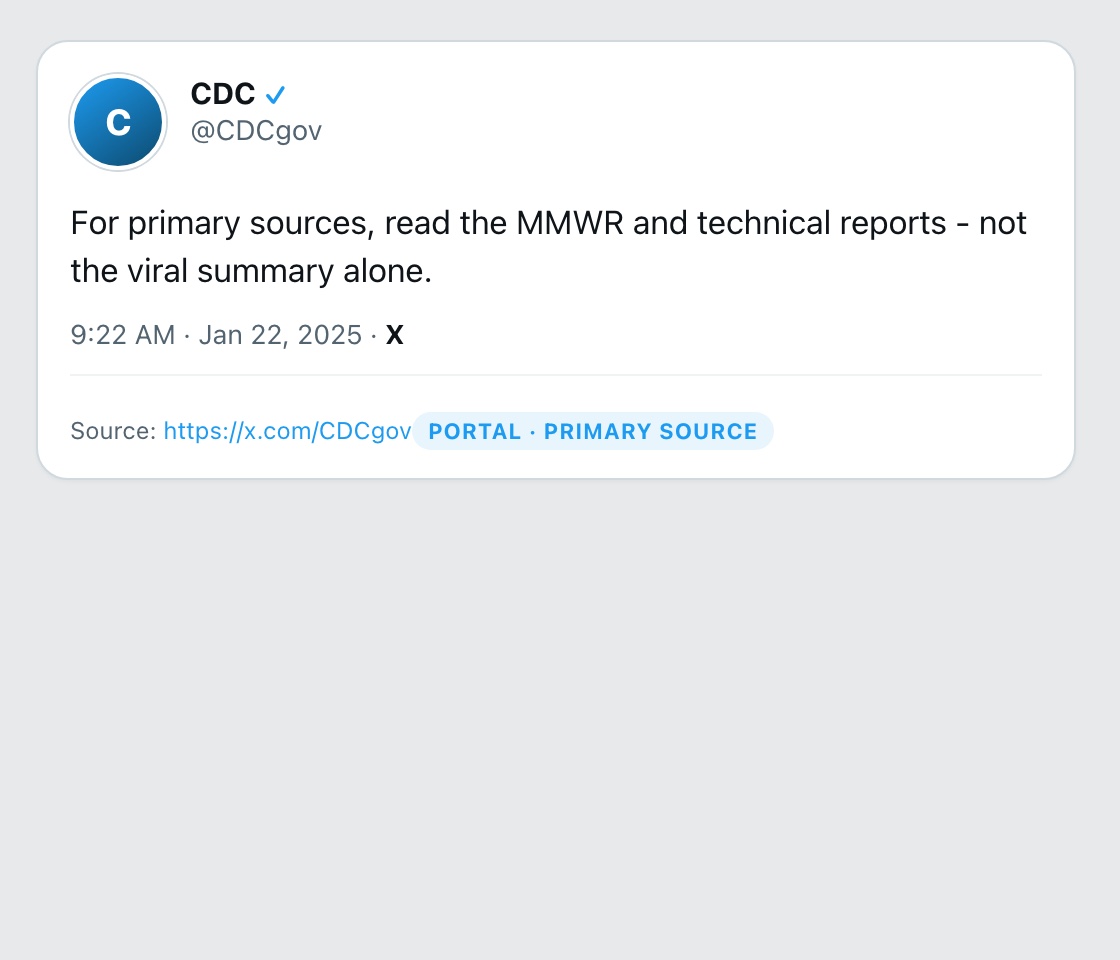
While it is vital to question scientific findings, it is equally critical to support the infrastructure that allows for rigorous data collection. The right's tendency to dismiss the implications of climate science undermines the very foundations of the studies that aim to protect our oceans. Ignoring the data collected through ocean surveys is akin to ignoring the warning signs of a failing system.
The Need for Balance
In the face of such extremes, what is required is a balanced approach - one that acknowledges the urgency of climate issues while also respecting the time and effort needed for thorough scientific inquiry. Both sides of the political spectrum must recognize the importance of ocean surveys in our understanding of climate change and the health of our planet.
Public engagement is crucial in bridging this gap. Education about the methods and significance of ocean surveying can foster greater appreciation and support for the scientific community. Celebrating the unsung heroes of ocean research - the marine biologists, oceanographers, and technicians who dedicate their lives to this work - can help shift the narrative from one of panic and skepticism to one of informed action.
Conclusion: The Call for Support
As we continue to grapple with climate change and its effects on our oceans, we must advocate for the importance of ocean surveys as foundational to our understanding of these issues. While the media may favor the dramatic and sensational, we must remember that true progress comes from the laborious efforts of those who collect and analyze the data beneath the surface.
In this critical moment, it is essential to support the scientific endeavors that provide the information we need to make informed decisions about our planet's future. Let us not allow the noise of alarmism and skepticism to overshadow the fundamental work being done in our oceans. The future of our planet depends on it.
✦ ✦ ✦