From the file. Written for the paper dated August 2022. Opened in the public stacks July 14, 2026.
In an age where every headline seems to scream for attention, it's easy to forget the intricate machinery that drives our media landscape. As we navigate the complexities of August 2022, it's essential to peel back the layers and examine the incentives that shape the stories we consume.
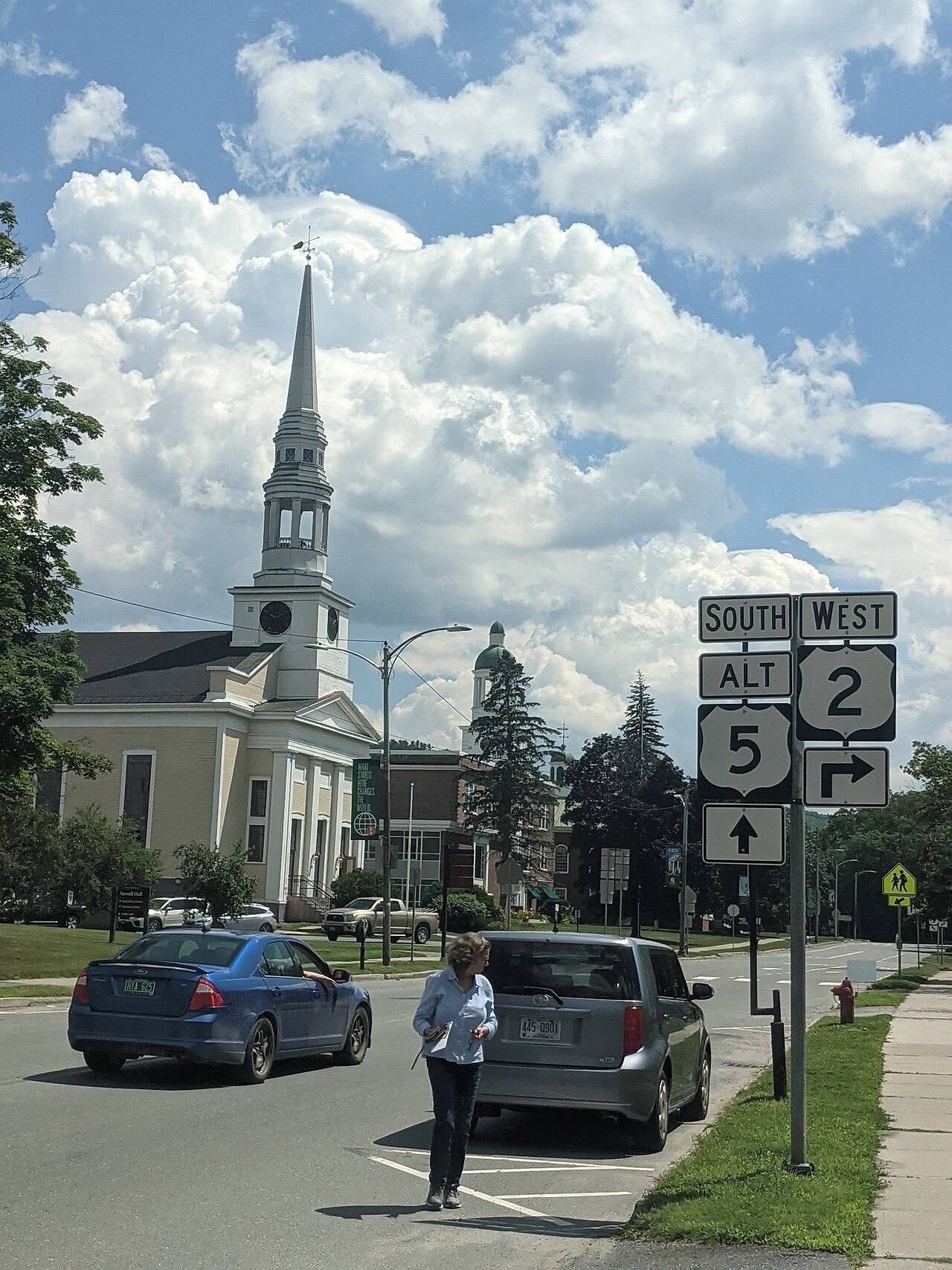
The Noise Behind the Headlines
Every day, we wake up to a torrent of news - some of it important, some of it sensationalized, and much of it designed to provoke a strong emotional response. The media, both traditional and digital, thrives on engagement, which has led to an ecosystem where the loudest voices often drown out the most reasoned arguments. This dynamic raises questions about the incentives at play: are we prioritizing clicks over content?
At the heart of the matter is the business model of modern journalism. Ad revenue has been the lifeblood of media outlets for decades, but as traditional advertising wanes, the race for attention has intensified. Outlets are incentivized to produce content that garners clicks, likes, and shares - often at the expense of depth and nuance. This can lead to a distortion of facts, where sensationalism trumps comprehensive reporting.

The race for attention has intensified, leading to sensationalism overshadowing comprehensive reporting.
Polarization and the Media
The current media landscape is also a reflection of our polarized society. On one side, we see outlets that cater to the left, amplifying progressive narratives while often dismissing counterarguments as irrelevant or extremist. On the right, a similar dynamic unfolds, where conservative voices rally against perceived liberal biases, sometimes bending the truth to fit a worldview. In this environment, the incentives are clear: serve the base, provoke outrage, and generate traffic.
This polarization not only skews the information available to the public but also reinforces echo chambers, where individuals are exposed only to viewpoints that align with their own. The result is a public sphere that is not only divided but also misinformed, as facts become casualties in a war of narratives.
The Responsibility of Consumers
As consumers of news, we hold a responsibility to seek out accurate information and challenge our own biases. This requires a conscious effort to engage with multiple sources across the political spectrum, to question the narratives presented to us, and to demand accountability from the media we consume. The incentive structures that drive media production will not change overnight, but as consumers, we can influence the landscape by prioritizing substance over sensationalism.
Moreover, we must acknowledge our own role in perpetuating the cycle of misinformation. When we share articles without scrutinizing their content, we contribute to a system that rewards sensationalism. It is imperative that we cultivate critical thinking skills and foster a culture of skepticism towards the content we encounter. Only then can we begin to shift the paradigm away from the noise and towards meaningful discourse.
Bridging the Divide
While the incentives of traditional media and social platforms may appear insurmountable, there is hope. Independent journalism, fueled by a commitment to factual reporting and ethical standards, is gaining traction. These outlets often rely on alternative funding models, such as subscriptions and donations, which can help them resist the pressure to sensationalize. Supporting quality journalism can help create a more balanced media environment, one that prioritizes truth over clicks.
Furthermore, media literacy initiatives are essential in equipping the public with the tools necessary to navigate the complexities of modern news. Educational institutions, libraries, and community organizations have a role to play in fostering critical consumption habits among citizens. By prioritizing media literacy, we can empower individuals to discern fact from fiction and engage in constructive dialogue rather than divisive rhetoric.
Conclusion
As we grapple with the noise of the current media environment, it is crucial to recognize the underlying mechanisms that drive the stories we encounter. By understanding media incentives, we can better navigate the complexities of our information landscape. It is up to us, as consumers, to demand more from our media and to foster a culture that values truth and accountability.
✦ ✦ ✦