From the file. Written for the paper dated July 2022. Opened in the public stacks July 14, 2026.
As the special counsel investigation continues to unfold, it is crucial to focus on the evidence rather than the identities of those involved. The political landscape in July 2022 is highly charged, with partisans on both sides eager to draw lines in the sand based on allegiance rather than fact.
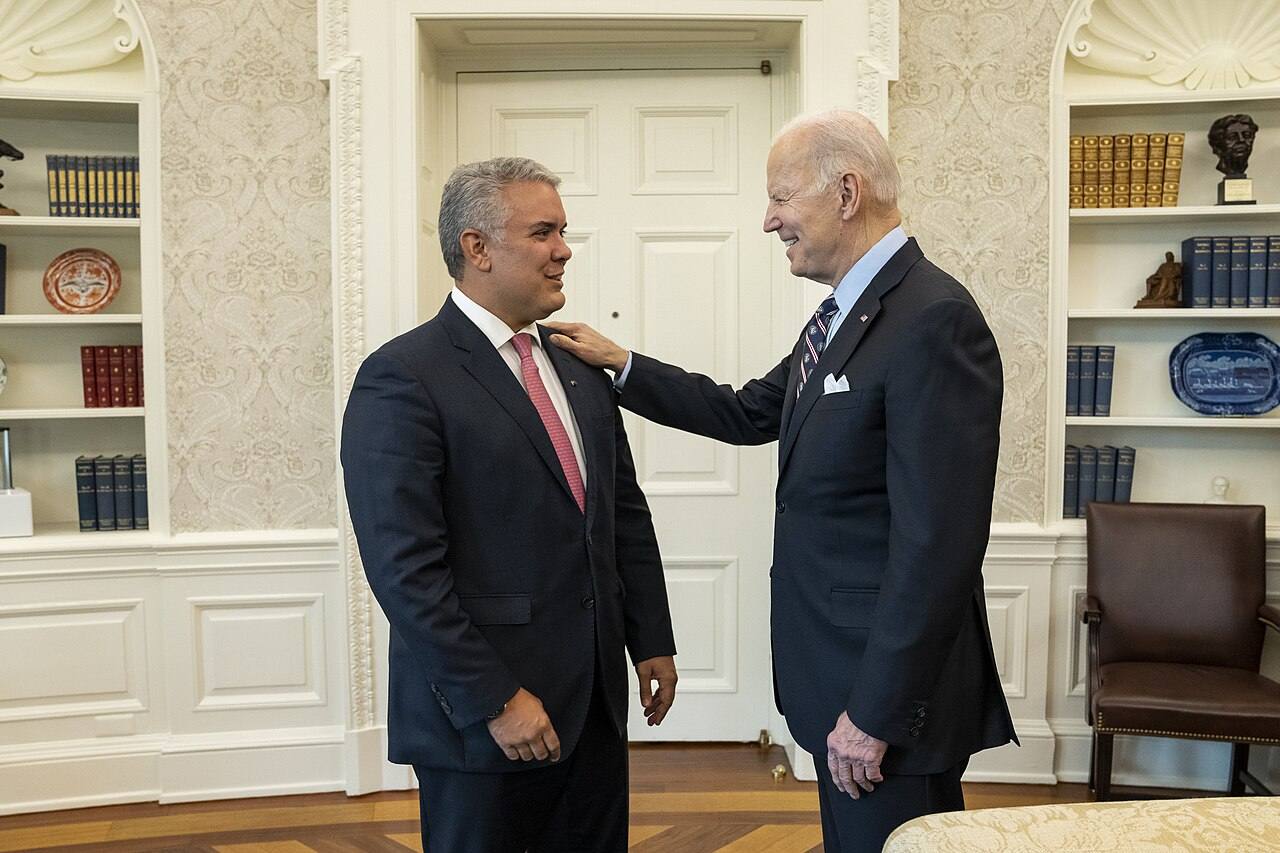
The Stakes of Partisan Perspectives
In recent months, the special counsel has become a political battleground, with the right framing the inquiry as a witch hunt and the left presenting it as an essential mechanism for accountability. Both sides seem to overlook a fundamental aspect of the process: the evidence itself. The American public deserves a clearer reading that prioritizes facts over the hyperbole of political identity.
On one side, we have the Republicans, who have rallied around the narrative that any investigation into the current administration is inherently flawed and politically motivated. This reactionary stance often leads to the dismissal of legitimate concerns simply because they are associated with the opposition party. It breeds an environment where evidence is overshadowed by political loyalty, and what should be a sober analysis of facts becomes an emotional defense of partisanship.
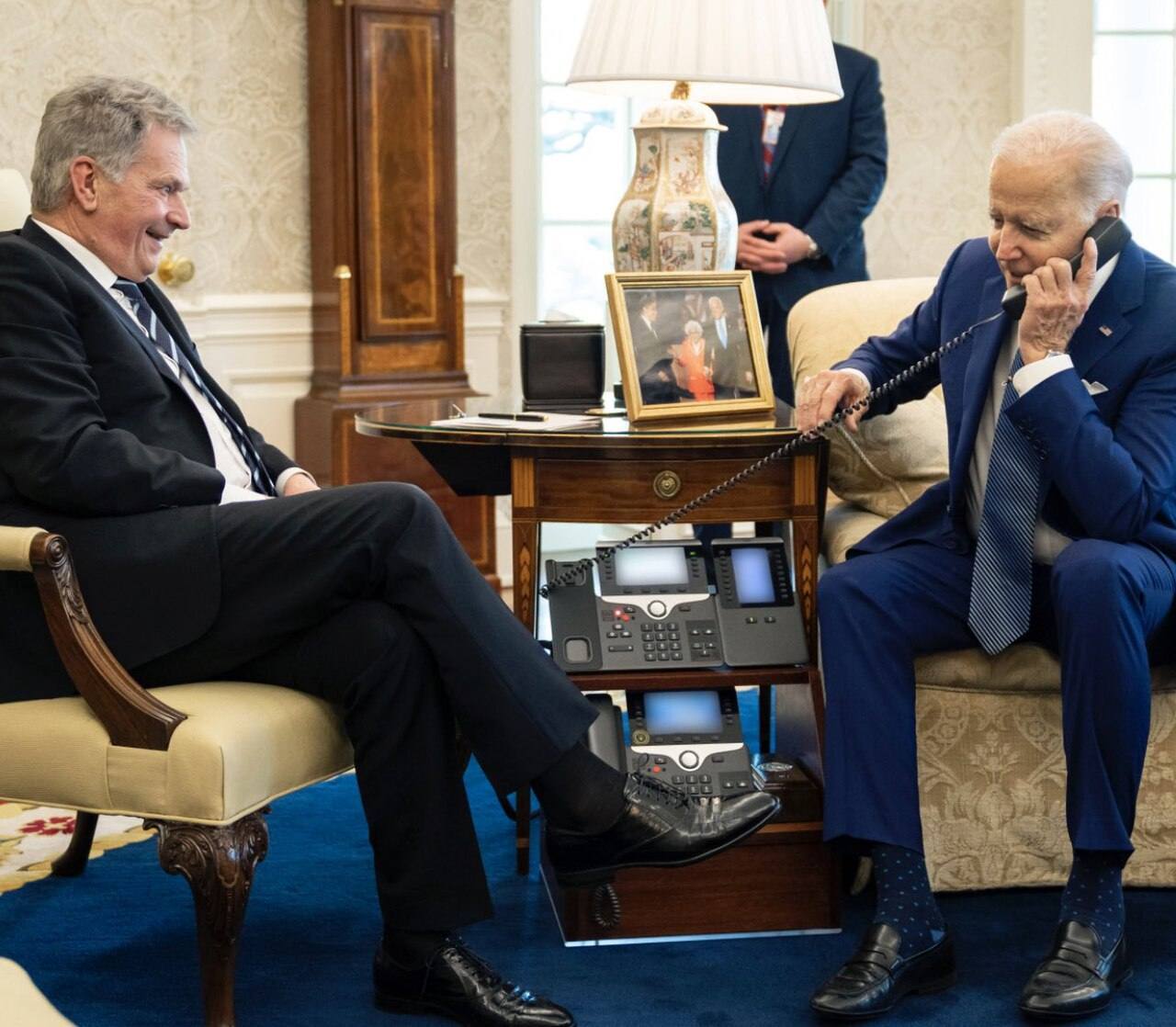
Conversely, the Democrats have leaned heavily into the notion that the special counsel is vital for democracy. While this assertion carries weight, it can also veer into a form of moral superiority that dismisses dissenting opinions. This approach risks alienating those who might be open to discussions about the findings, instead framing them as enemies of the state. In doing so, they, too, contribute to the polarization of a process that should be about transparency and accountability.
The American public deserves a clearer reading that prioritizes facts over the hyperbole of political identity.
Evidence Over Identity
The crux of the matter lies in the evidence being presented. As the investigation progresses, it is essential that Americans focus on the findings, whether they support or undermine their political affiliations. This is the essence of a functioning democracy, where accountability is not just a slogan but a reality. The evidence should guide public opinion, not the identity of those involved.
Moreover, the media plays a pivotal role in this dynamic. Sensational headlines and partisan analysis contribute to an environment where the facts can be obscured. It is imperative for journalists to provide balanced reporting that emphasizes the evidence at hand and avoids the temptation to sensationalize or politicize the investigation.
Finding Common Ground
In the midst of heightened political tensions, there is an opportunity for common ground. Citizens across the political spectrum can agree on the importance of accountability and transparency in government. Initiatives that promote bipartisan dialogue around the findings of the special counsel may help bridge the divide, fostering an environment where evidence is discussed without the baggage of political affiliation.
Such conversations can lead to a more informed electorate, one that can engage with the complexities of the situation rather than resorting to knee-jerk reactions based on party loyalty. This is not merely a matter of political strategy; it is about the health of our democracy and the trust that citizens place in their institutions.
A Call for Objectivity
As we navigate this complex political landscape, it is vital for citizens to cultivate a sense of objectivity. This includes being open to the possibility that the findings of the special counsel could challenge preconceived notions and beliefs. It requires a willingness to engage with the evidence presented, regardless of political affiliations.
Moreover, it is crucial for leaders on both sides of the aisle to promote a culture of accountability. This means acknowledging when mistakes have been made, regardless of the political consequences. Leaders who prioritize truth and transparency will ultimately strengthen the democratic process and restore faith in governmental institutions.
Conclusion
In conclusion, the special counsel investigation serves as a litmus test for our commitment to democracy. As we move forward in July 2022, it is essential to remind ourselves of the importance of evidence before identity. The future of our political landscape depends on our ability to engage with facts and foster a culture of accountability that transcends party lines. Only then can we hope to rebuild trust in our institutions and ensure a healthy democracy for generations to come.
✦ ✦ ✦