From the file. Written for the paper dated June 2022. Opened in the public stacks July 14, 2026.
As the nation continues to grapple with the complexities of the ongoing special counsel investigations, the tension between public claims and the actual record has reached a critical juncture. The narrative has become increasingly polarized, with both sides of the political spectrum amplifying their interpretations to fit their agendas.
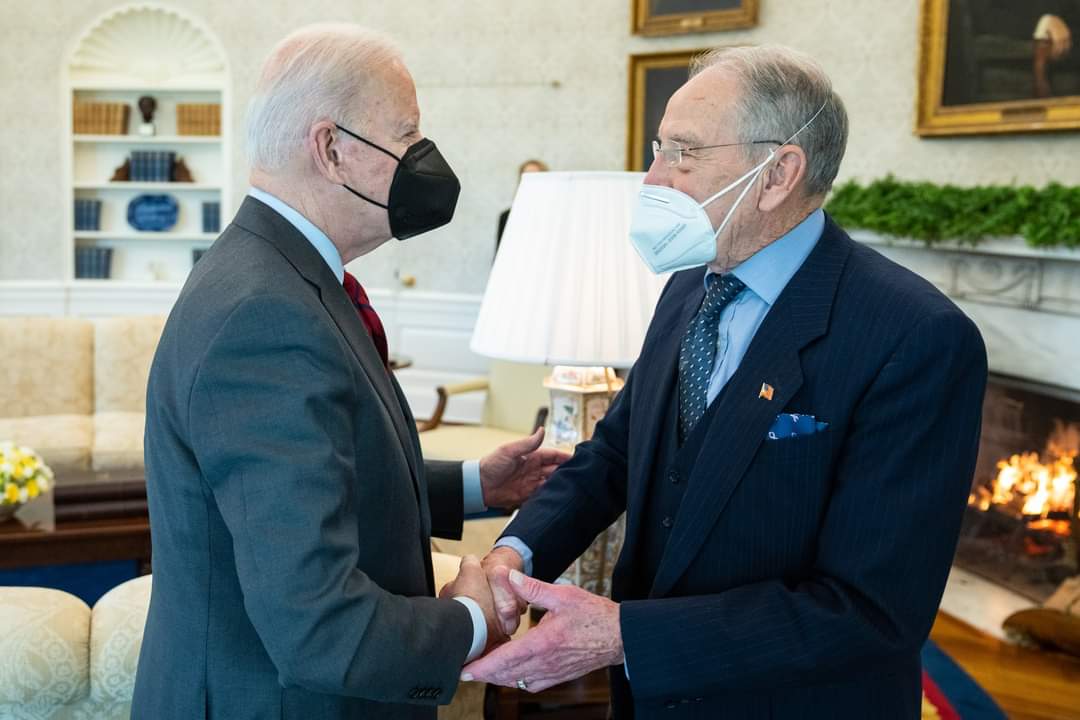
The Public Narrative
The special counsel investigations have become a focal point for partisan rhetoric, with both sides utilizing the findings - often selectively - to support their respective narratives. On the left, there is a fervent belief that these investigations are crucial to upholding the rule of law and maintaining accountability. Advocates argue that the special counsel's work is essential in exposing misdeeds and ensuring that no one is above the law.
Conversely, the right has seized upon the investigations as a tool for undermining the legitimacy of political opponents. Claims of bias within the investigatory team have been pervasive, with assertions that the inquiries are politically motivated rather than grounded in factual misconduct. This narrative has resonated with a base that feels under siege, actively mobilizing around the idea that these investigations are a witch hunt.
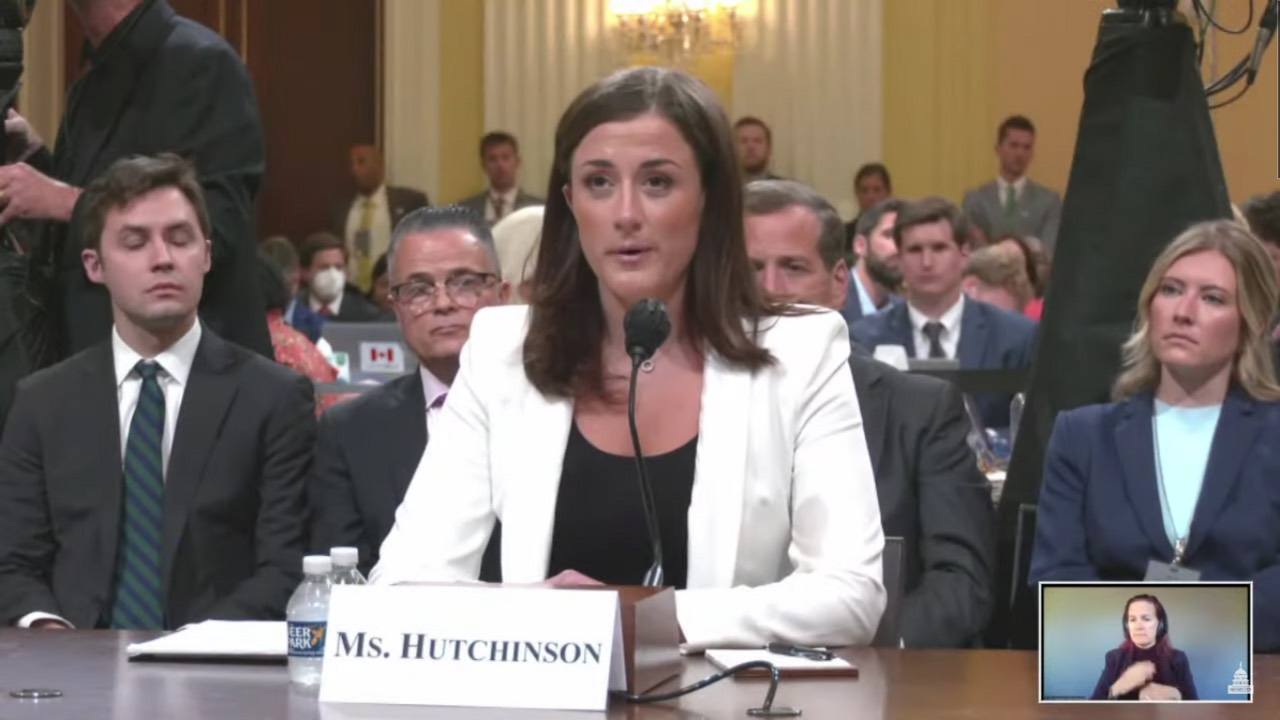
The Record of Findings
Despite the heated rhetoric, the actual record of the special counsel's findings often contrasts sharply with the public claims made by both sides. While some elements of wrongdoing have been substantiated, many of the more sensational allegations remain unproven or have been dismissed outright. The disparity between the public's perception and the documented evidence points to a concerning trend: the manipulation of truth for political gain.
“In the age of information overload, clarity has become a casualty of political warfare.”
As investigations unfold, the special counsel's reports provide granular details that can be overlooked amid the din of partisan discourse. For instance, while there have been confirmed instances of campaign finance violations and obstruction, the notion that these findings equate to treason or outright conspiracy remains a leap that neither side has conclusively proven. This gap between accusation and evidence often fuels further division.
The Impact on Public Trust
The continuous back-and-forth surrounding the special counsel's work has significant implications for public trust. When claims made by political figures are not reflected in the findings, it breeds cynicism among voters. Many Americans are left questioning not only the integrity of the investigations but also the motivations behind the rhetoric used by their leaders.

Public trust is further eroded when each side retreats into its echo chamber, reinforcing existing beliefs rather than fostering constructive dialogue. This environment stifles the possibility of bipartisan agreement on the importance of accountability and the rule of law, both of which are fundamental to the health of our democracy.
The Role of the Media
In this contentious climate, the media plays a crucial role in shaping the narrative. The pressure to produce sensational headlines can lead to oversimplifications or exaggerated interpretations of the facts. While reputable outlets strive for accuracy, the demand for quick-turnaround stories can result in incomplete representations of the investigations and their implications.
Looking Ahead
As the investigations continue, it is imperative for both sides of the political spectrum to confront the reality of the findings rather than cling to narratives that serve immediate political objectives. The responsibility lies not only with leaders but also with the public to demand honesty and accountability from those in power.
The upcoming months will be critical in determining how the findings of the special counsel are interpreted and utilized in the political arena. Will there be a commitment to transparency, or will we continue to see the findings weaponized for partisan gain? The answer will ultimately shape the future of American political discourse and its impact on governance.
✦ ✦ ✦