From the file. Written for the paper dated June 2022. Opened in the public stacks July 14, 2026.
This week in particle physics, a new experiment has ignited discussions not only in scientific circles but also in the broader public arena. As claims about groundbreaking discoveries circulate, it is crucial to examine the disparity between public statements and the actual records of scientific investigation.

Claims vs. Reality
In a press release that caught the attention of both the scientific community and media outlets, researchers from the Large Hadron Collider (LHC) announced what they described as "extraordinary evidence" for a new particle. The excitement generated by such proclamations often leads to a frenzy of speculation about the implications for our understanding of the universe. However, it is important to temper this enthusiasm with a careful examination of the evidence presented.

While the scientists involved are undoubtedly skilled and passionate about their work, the wording used in their announcements can sometimes blur the lines between preliminary findings and well-established conclusions. Terms like "extraordinary evidence" may resonate well with audiences eager for sensational breakthroughs, but they can also mislead the public regarding the rigor of the scientific method.
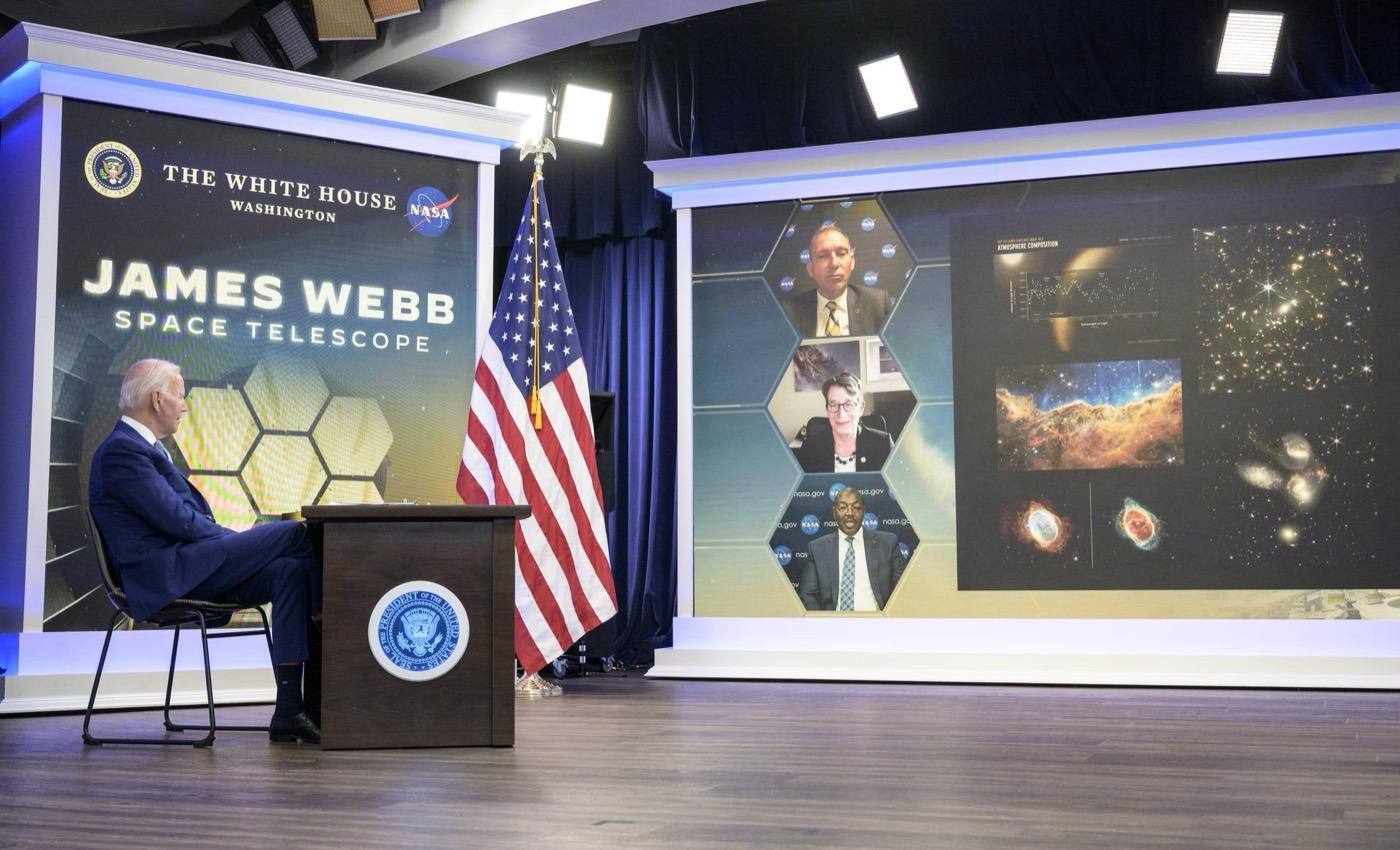
"Extraordinary claims require extraordinary evidence," a fundamental tenet of scientific inquiry, should not be overlooked.
As this week’s announcement underscores, the gap between public perception and scientific validation can be significant. In the realm of particle physics, where data interpretation often hinges on complex statistical models, claims made in press releases may not fully capture the uncertainty and nuances of the findings.

The Role of Media in Shaping Perception
The media plays a critical role in amplifying these claims, sometimes prioritizing sensationalism over accuracy. Headlines that speak of “discovery” or “breakthrough” can draw in readers but may not reflect the underlying scientific process. This week, several mainstream outlets jumped at the opportunity to report on the LHC’s findings, framing them as monumental without providing the necessary context. The public, eager for news of scientific advancement, can be left with an inflated sense of what has actually been achieved.
Furthermore, this situation raises questions about accountability. Scientists share the responsibility of communicating their work transparently, yet journalists also have a duty to report findings responsibly, ensuring that they do not inadvertently contribute to misunderstanding. A balanced approach that respects both the complexity of scientific research and the public’s thirst for knowledge is essential for fostering an informed society.
The Pitfalls of Hype
As researchers and journalists navigate the space between scientific discovery and public understanding, the potential pitfalls of hype become clear. The scientific community is no stranger to instances where premature claims led to disappointment or confusion. For example, previous announcements about the Higgs boson garnered a mix of excitement and skepticism, reminding us that the path from discovery to acceptance is rarely straightforward.
Moreover, the anticipation surrounding particle physics can lead to a culture of competition among researchers, pushing them to make bold claims in an effort to secure funding, prestige, or recognition. This competitive spirit can sometimes overshadow the collaborative nature of scientific inquiry, where validation comes from peer review and replication of results.
Moving Forward
As we progress in our understanding of the universe, a more responsible approach to communication is warranted. Researchers must strive to convey their findings with clarity and caution, avoiding language that could mislead the public. Simultaneously, media outlets should prioritize accuracy, providing context and nuance in their reporting.
Ultimately, the relationship between scientific discovery and public understanding is symbiotic. As researchers continue to push the boundaries of knowledge, it is essential that they do so with an eye toward responsible communication. The excitement surrounding potential discoveries is valid, but it must be grounded in a commitment to the scientific process and an awareness of its complexities.
A Call for Clarity
In light of this week’s developments, one cannot help but call for a renewed commitment to clarity in scientific communication. As we await further validation of the findings from the LHC, it is imperative that we remain vigilant in our pursuit of truth, both in science and in the way it is reported.
As the excitement of potential breakthroughs lingers in the air, let us hope that both scientists and journalists heed the lessons of the past, ensuring that the dialogue surrounding scientific discovery remains grounded in reality. Only then can we foster a genuinely informed public that appreciates the intricacies of the scientific endeavor.
✦ ✦ ✦