From the file. Written for the paper dated June 2022. Opened in the public stacks July 14, 2026.
The debate over the filibuster has reached a boiling point, with legislators on both sides of the aisle making bold claims that often clash with the realities of legislative history and public sentiment.
The Filibuster: A Tool of Democracy or a Roadblock to Progress?
In recent weeks, the filibuster has taken center stage in the ongoing struggle between Democrats and Republicans. The practice, which allows senators to delay or block legislation, has been wielded as both a shield and a sword in the political arena. Advocates on the left argue for its elimination, claiming it stifles necessary reforms, while many on the right insist it protects minority rights and prevents hasty legislation.
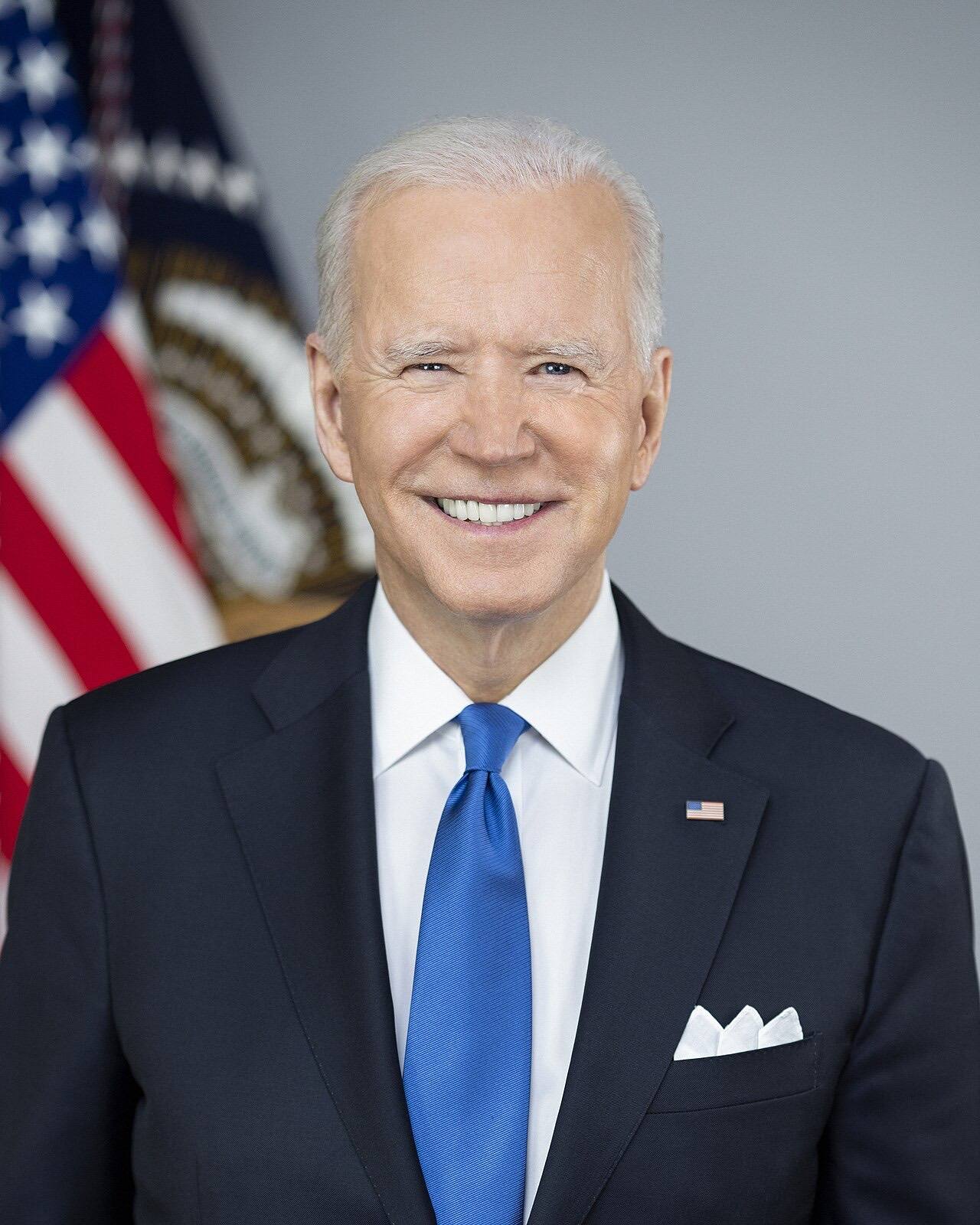
As discussions heat up, it is imperative to dissect the public claims made by both parties against the backdrop of legislative history. The Democrats, facing mounting pressure to push through a series of progressive reforms, have increasingly labeled the filibuster as an impediment to democracy itself. President Biden has called for its suspension in certain cases, emphasizing the need for voting rights legislation and other critical reforms. However, as legislative records show, the filibuster has been a consistent part of Senate procedure for over a century, often used by both parties to protect their interests.
Conversely, Republicans have rallied around the filibuster as a vital tool for preserving minority power in the Senate. They argue that eliminating it would lead to a slippery slope of unchecked legislative actions that would severely undermine the foundational principles of bipartisanship and compromise. Yet, critics point out that this defense often rings hollow, especially when the GOP has used the filibuster as a tactical weapon to stymie Democratic initiatives, regardless of their merit.
"The filibuster is not just a procedural hurdle; it's a political weapon that both sides have wielded to their advantage."
While both parties engage in rhetoric aimed at energizing their bases, it is crucial to recognize that the filibuster is not inherently good or evil - it is a procedural tool that reflects the strategic interests of those who wield it. This moment calls for a more nuanced understanding of the filibuster's impact on governance, rather than a simplistic narrative that casts one side as champions of democracy and the other as obstructionists.
Public Sentiment and the Filibuster
Polling data reveals a complex landscape of public opinion regarding the filibuster. On one hand, a significant portion of the electorate expresses frustration with Congress's inability to pass meaningful legislation, often attributing this gridlock to the filibuster. On the other hand, many voters value the Senate's role as a deliberative body that requires consensus and caution. This dichotomy complicates the narrative, as both parties seek to harness public sentiment to bolster their respective positions.
In recent weeks, Democratic leaders have intensified their messaging around voting rights, framing the issue as a moral imperative that necessitates the removal of the filibuster. Yet, as they rally their supporters, they must contend with the reality that such a move could provoke significant backlash from moderate voters who fear a loss of checks and balances within the Senate.
The Political Stakes
The stakes are high for both parties as they navigate the filibuster debate. For Democrats, failing to act could mean losing momentum on key initiatives, potentially jeopardizing their majority in upcoming elections. For Republicans, standing firm on the filibuster may enhance their appeal among conservative voters but could alienate moderates who are weary of partisan gridlock.
As both parties engage in this high-stakes game, it is essential for lawmakers to remember that the filibuster is not merely a political pawn to be manipulated. It represents a broader conversation about democratic governance and the balance of power. Continued excesses from either side may only serve to deepen the divide in an already polarized political landscape.
✦ ✦ ✦