From the file. Written for the paper dated April 2022. Opened in the public stacks July 14, 2026.
The retail landscape in April 2022 reveals a complex interplay of incentives that reflect the ongoing ideological battles between the political left and right. As consumer behavior shifts, so do the strategies employed by retailers, revealing both sides' excesses.
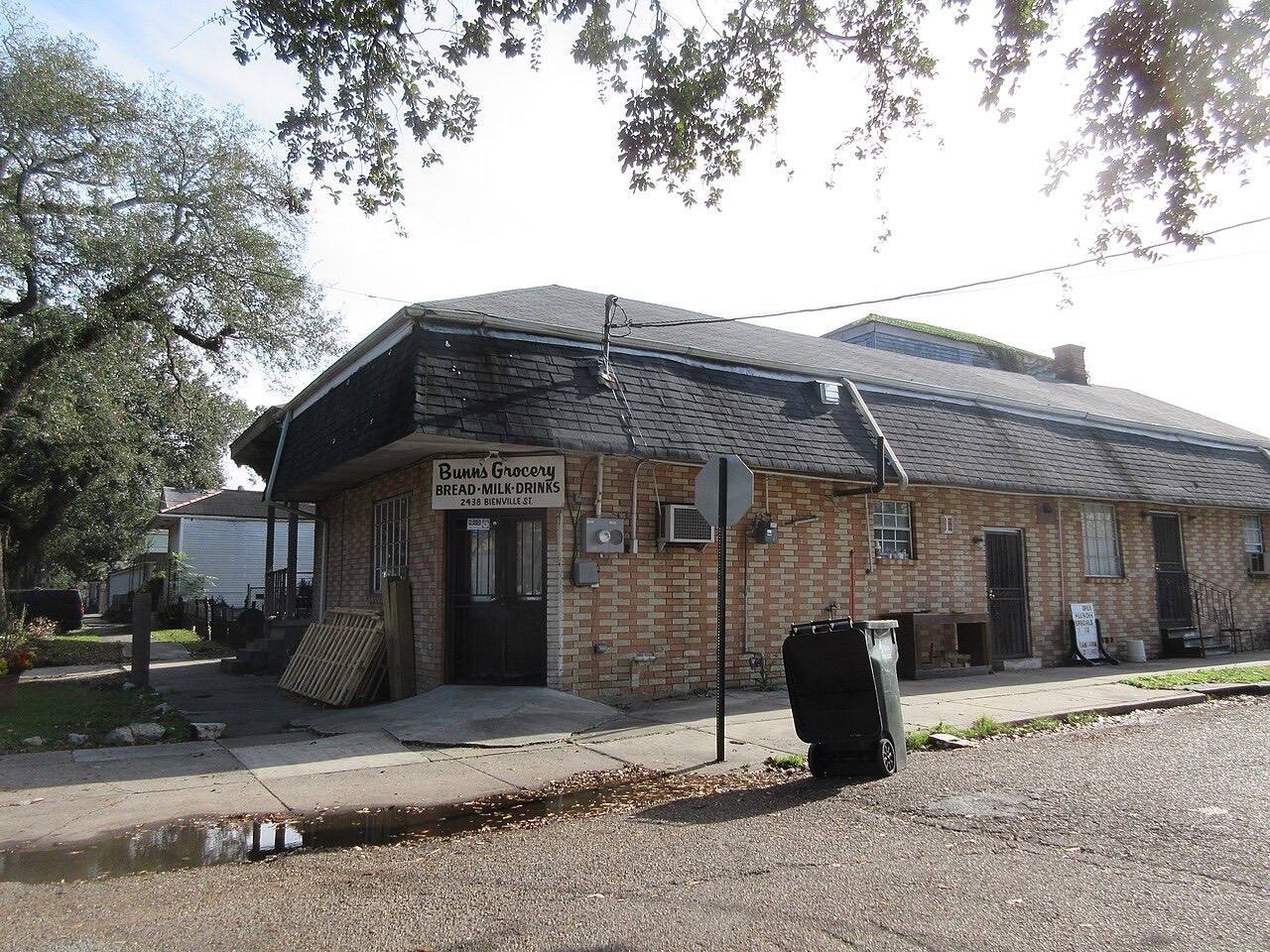
The State of Retail Sales
April has historically been a month of renewal in retail, with spring bringing fresh inventory and consumers eager to spend after winter's dormancy. However, the current climate is anything but typical. Inflationary pressures, supply chain disruptions, and changing consumer habits have made this April particularly telling. Retail sales data indicates that while some sectors are thriving, others struggle to keep their doors open.
The National Retail Federation reported a slight increase in retail sales year-over-year, driven predominantly by growth in e-commerce and home improvement sectors. In contrast, apparel sales have taken a hit, suggesting that consumers are prioritizing essential goods over discretionary spending. This divergence in consumer priorities is a critical reflection of the broader economic sentiment, influenced heavily by political narratives.

Left-Wing Incentives: Promoting Equity over Profit
On the left, there is a renewed focus on promoting equity and sustainability in retail practices. Progressive policies are pushing for higher wages and better working conditions for retail employees. While these initiatives are commendable and may lead to long-term benefits for worker morale and productivity, they also place additional financial burdens on businesses, particularly small retailers already grappling with rising costs.
Additionally, legislative pushes for price controls and anti-gouging laws, while intended to protect consumers, can inadvertently stifle innovation and investment in the retail sector. The concern here is that an overreliance on governmental intervention could lead to reduced competition, ultimately harming the very consumers these policies aim to protect.
Right-Wing Incentives: Emphasizing Free Markets
Conversely, the right champions free-market principles, advocating for deregulation and reduced taxation as solutions to bolster retail growth. While these measures can indeed incentivize business expansion and job creation, there is a risk of neglecting the social and environmental responsibilities that come with success. The push for unbridled capitalism often overlooks the importance of sustainable practices that could benefit both the environment and the bottom line in the long run.
Furthermore, the right's rhetoric around consumer choice can sometimes veer into promoting excessive consumerism. The notion that spending is inherently virtuous can lead to a culture of overconsumption, which ultimately harms both the economy and the environment. Retailers may be encouraged to prioritize profit over ethical considerations, sacrificing long-term sustainability for short-term gains.
"The dichotomy between protecting workers and empowering businesses creates a tension that both parties must navigate."
The Middle Ground: Finding Balance
As retail sales figures fluctuate, the need for a balanced approach becomes ever more apparent. Both sides of the political spectrum must recognize that their approaches can have unintended consequences. The left's focus on regulation and worker protections needs to be tempered with an acknowledgment of the challenges faced by small businesses. Similarly, the right must understand that unchecked market forces can lead to negative outcomes that ultimately affect the very consumers they aim to serve.
In a competitive retail landscape, collaboration between lawmakers and industry leaders is crucial. Dialogue around policies that promote both fair labor practices and an environment conducive to business growth can pave the way for a more sustainable future in retail.
✦ ✦ ✦