From the file. Written for the paper dated April 2022. Opened in the public stacks July 14, 2026.
In a week marked by political maneuvering and public outcry, the topic of presidential pardon power has emerged once again as a contentious issue, revealing the stark contrasts and questionable incentives on both sides of the aisle.
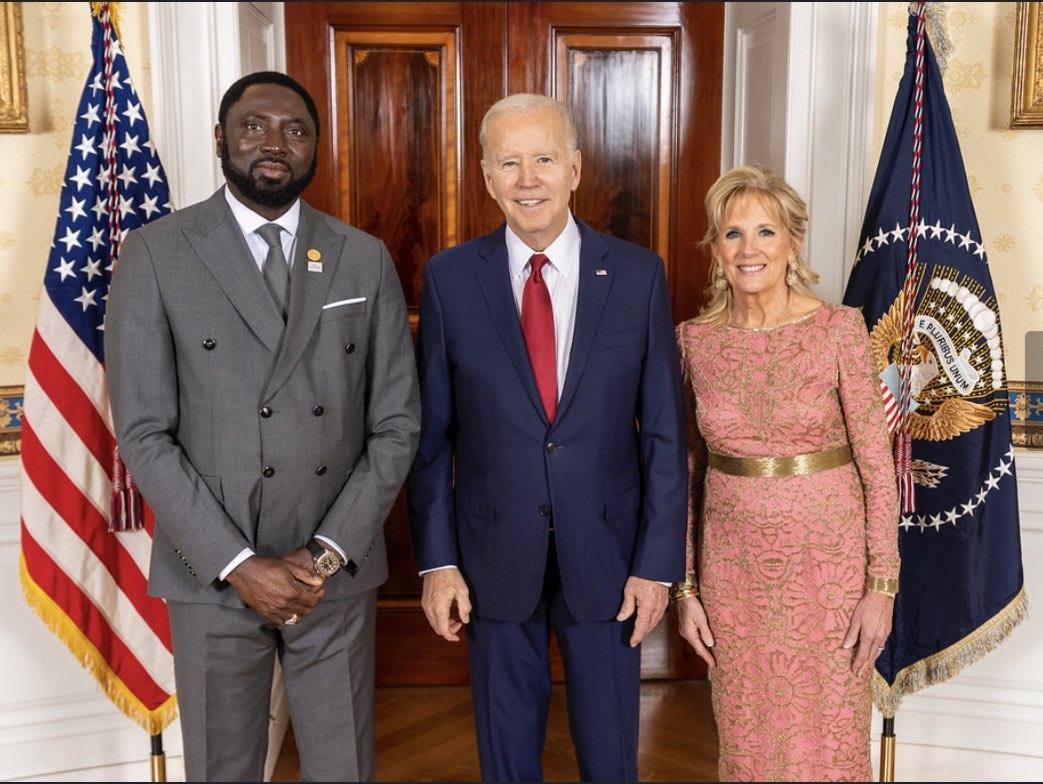
Pardon Power: A Double-Edged Sword
The power to grant pardons is enshrined in the U.S. Constitution, granting the president the authority to absolve individuals of certain crimes. However, this power often raises eyebrows, particularly when it appears to serve political interests rather than justice. Amid a growing divide in American politics, both Democrats and Republicans have leveraged this authority, albeit in ways that often reflect their respective agendas.
On the left, the call for criminal justice reform has been a rallying cry for progressives. While there is a genuine desire to rectify the injustices of the past, some Democrats have seized on the pardon power as a means to garner support from key voter blocs. For instance, the recent pardons of non-violent drug offenders have been lauded as progressive victories. Yet, critics argue that this is merely a superficial gesture aimed at appealing to a demographic rather than addressing the systemic issues within the justice system.
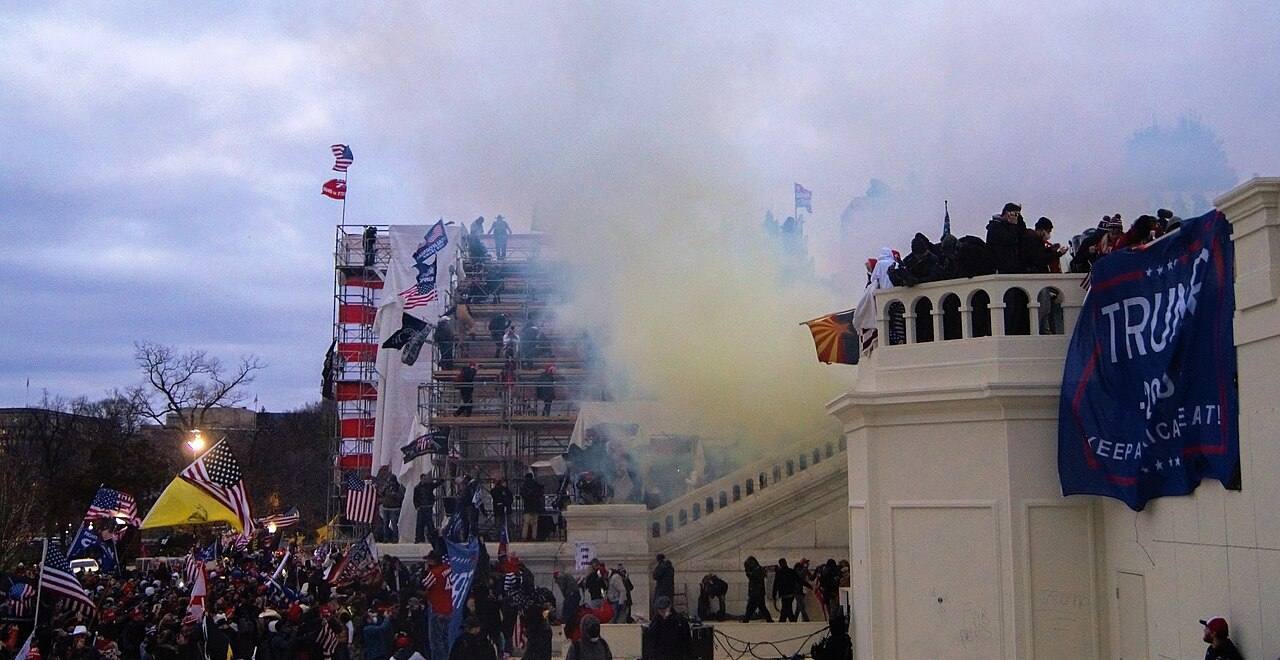
Conversely, Republicans have also found ways to exploit the pardon power to reinforce their base. The recent pardons bestowed by the previous administration on individuals involved in controversial cases have raised questions about accountability. Many observers have noted that these actions often serve to bolster support among specific voter segments - particularly those who feel disenfranchised by the legal system - rather than a commitment to true justice.
"Pardons should be about justice, not political expediency. Yet, both parties seem to be using them as tools to score points." - Political Analyst
Political Expediency vs. Justice
As the midterm elections approach, the use of pardons is becoming increasingly strategic. Politicians are acutely aware that each pardon can have substantial electoral implications. The Democrats’ focus on social justice issues, including the decriminalization of marijuana, has led to a series of pardons that some argue are more about headline-grabbing than about meaningful change. On the Republican side, the willingness to pardon individuals who align with party ideology, regardless of their actions, raises concerns about the integrity of the legal system.
The situation is further complicated by public perception. Many Americans are growing disillusioned with politicians who seem more interested in maintaining power than delivering justice. This sentiment has led to a demand for transparency in the pardon process, with calls for clearer guidelines and a more equitable approach to granting pardons. However, the reality is that both parties continue to prioritize their political agendas over the principles of justice.
Public Outcry and the Demand for Change
Public outcry has been palpable in response to perceived abuses of the pardon power. Many citizens are rightfully concerned that the system is being manipulated for partisan gain. Activists and advocacy groups have begun to mobilize, calling for reforms that would limit the potential for misuse. Proposals range from requiring a review process for pardons to making the circumstances surrounding pardons more transparent to the public.
However, such reforms face significant obstacles. The political climate is charged, and both parties are reluctant to cede ground on an issue that could be weaponized against them in the future. As a result, meaningful change seems unlikely in the near term. Instead, we are left with a system that is increasingly viewed as a tool for political maneuvering rather than a mechanism for justice.
Finding Common Ground
Despite the pervasive cynicism surrounding the pardon power, there is an opportunity for bipartisanship. Both sides of the aisle could benefit from a collaborative approach to reforming the pardon process. By prioritizing justice over political gain, lawmakers could restore some faith in a system that has become increasingly polarized.
Ultimately, the power to pardon should be a reflection of our commitment to justice, not a mechanism for political expedience. As the nation grapples with complex social issues and a fragmented political landscape, it is crucial that we hold our leaders accountable for their actions. Only then can we hope to move toward a more just and equitable society.
✦ ✦ ✦