From the file. Written for the paper dated March 2022. Opened in the public stacks July 14, 2026.
As the dust settles on the recent telecom merger discussions, a closer examination reveals critical aspects that are often glossed over in official briefings.

The Merger's Implications for Competition
The merger of two major telecom companies has raised eyebrows not only among industry experts but also among everyday consumers. With the promise of improved services and expanded coverage, the rhetoric surrounding the merger is compelling. However, a deeper analysis indicates that the consequences for market competition may not be as rosy as advertised.
Proponents argue that the consolidation will lead to increased investment in infrastructure, which is crucial for modern telecommunications. Yet, what remains obscured in the narrative is the potential for reduced competition, which could result in higher prices and fewer choices for consumers. In an environment where a handful of companies control the market, consumer power diminishes significantly.
Job Losses and Corporate Responsibility
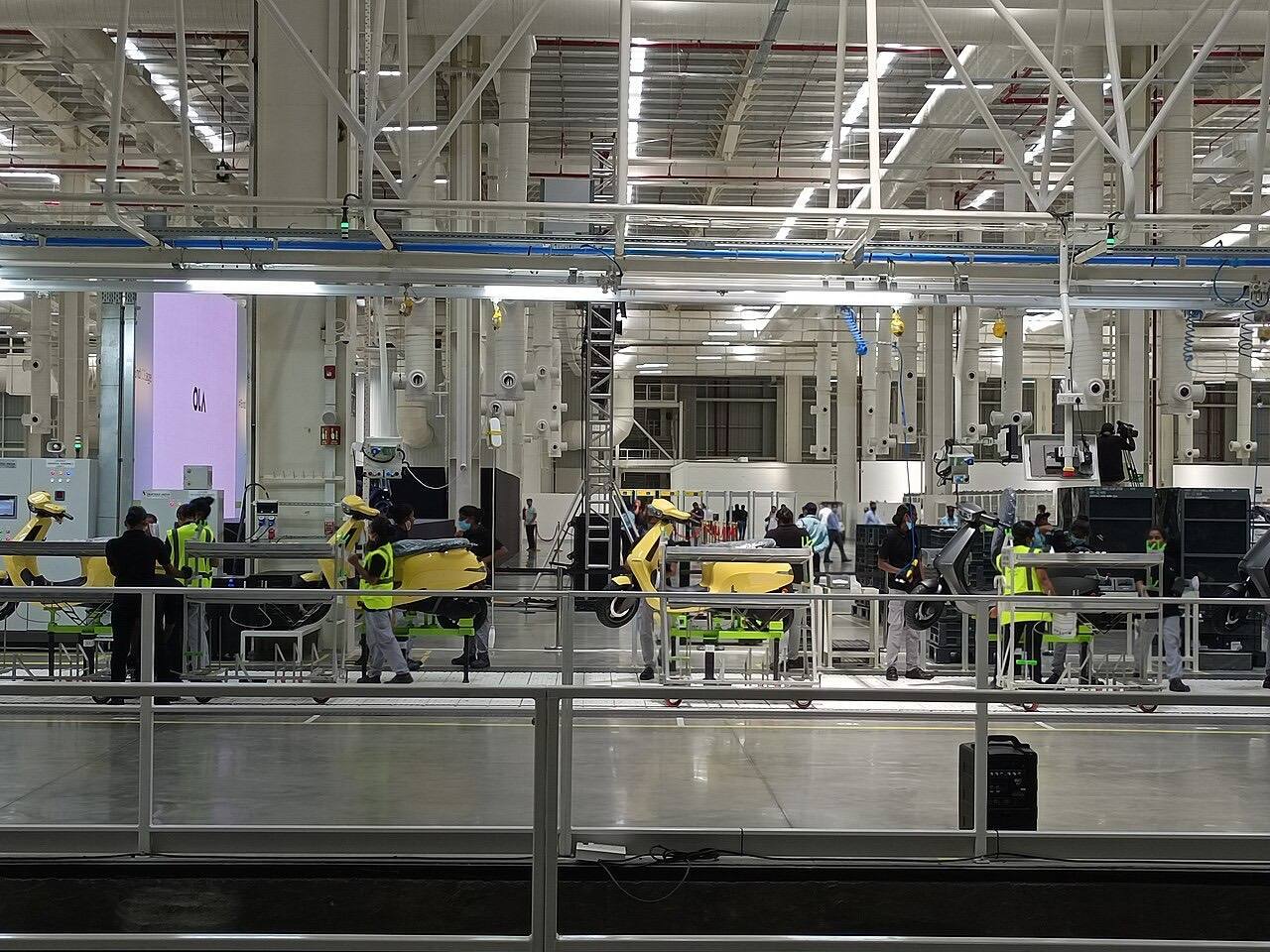
Another critical element that seems to be overlooked in the merger discussions is the impact on employment. While corporate leaders often tout the efficiencies gained through mergers, they rarely address the inevitable job losses that accompany such consolidations. As companies streamline operations, many employees find themselves on the chopping block, raising questions about corporate responsibility.
"The merger may streamline services, but at what cost to the workforce?"
As workers are laid off, the narrative shifts to the benefits for shareholders and executives, leaving the average worker in a precarious position. This highlights a growing concern about how corporate decisions often prioritize profits over people, a trend that has become increasingly pronounced in recent years.
Consumer Privacy and Data Security
In an age where personal data is a hot commodity, the implications of a telecom merger on consumer privacy cannot be ignored. With fewer entities controlling vast amounts of data, the risks of breaches and misuse increase dramatically. The discussions surrounding the merger often gloss over how this consolidation could weaken data protection efforts and create new vulnerabilities for consumers.
Moreover, as the merged company grows in size and reach, it may have less incentive to prioritize user privacy. This is particularly concerning given the increasing number of data breaches that have plagued major telecom providers in the past. Without robust regulations and oversight, consumers may find themselves at the mercy of corporate interests that prioritize profit over privacy.
Regulatory Oversight and Public Interest
The role of regulatory bodies in overseeing such mergers is crucial, yet often underplayed in the briefings. The Federal Communications Commission (FCC) and Department of Justice (DOJ) are tasked with ensuring that such mergers do not harm the public interest. However, recent history suggests that regulatory frameworks may not be equipped to handle the complexities of modern telecoms.
As regulatory scrutiny wanes, there is a palpable fear that consumer interests will be sidelined. The current environment is ripe for lobbying efforts that could dilute consumer protections, allowing companies to operate with greater impunity. In this light, the merger presents a dual challenge: fostering competition while ensuring that regulations keep pace with industry changes.
Public Sentiment and Misinformation
Public sentiment regarding the merger is mixed, with many consumers expressing skepticism about the promised benefits. The narrative pushed by telecom executives often lacks transparency, leading to confusion and misinformation among the public. As fear and uncertainty grow over the potential fallout, it is essential to ensure that consumers are well-informed and able to advocate for their interests.
The role of independent journalism in uncovering the less-discussed ramifications of the merger is more vital than ever. While corporate communications tout the positives, it is incumbent upon the media to scrutinize these claims and provide a more balanced perspective. This includes highlighting the risks associated with diminished competition and potential job losses.
Conclusion
While the narrative surrounding the telecom merger may present an optimistic view of progress and efficiency, a closer examination reveals significant concerns that warrant public attention. From job losses to consumer privacy, the true implications of such mergers extend far beyond the boardroom. As consumers, regulators, and journalists navigate this landscape, it is crucial to remain vigilant and advocate for a telecom industry that prioritizes competition, transparency, and public interest.
✦ ✦ ✦