From the file. Written for the paper dated March 2022. Opened in the public stacks July 14, 2026.
As the nation grapples with a myriad of scandals and political processes, it is crucial to scrutinize not only the events that make headlines but also the intricate details that often slip through the cracks.

The Layers of Scandal
In recent weeks, scandals across party lines have dominated discussions in both mainstream and alternative media. From allegations of misconduct among political leaders to the questionable funding of advocacy groups, the sound bites echo throughout the halls of power. Yet, the narratives we consume tend to gloss over the complexities that inform these events. This simplification leads to a distorted understanding of the underlying processes that allow such incidents to unfold.
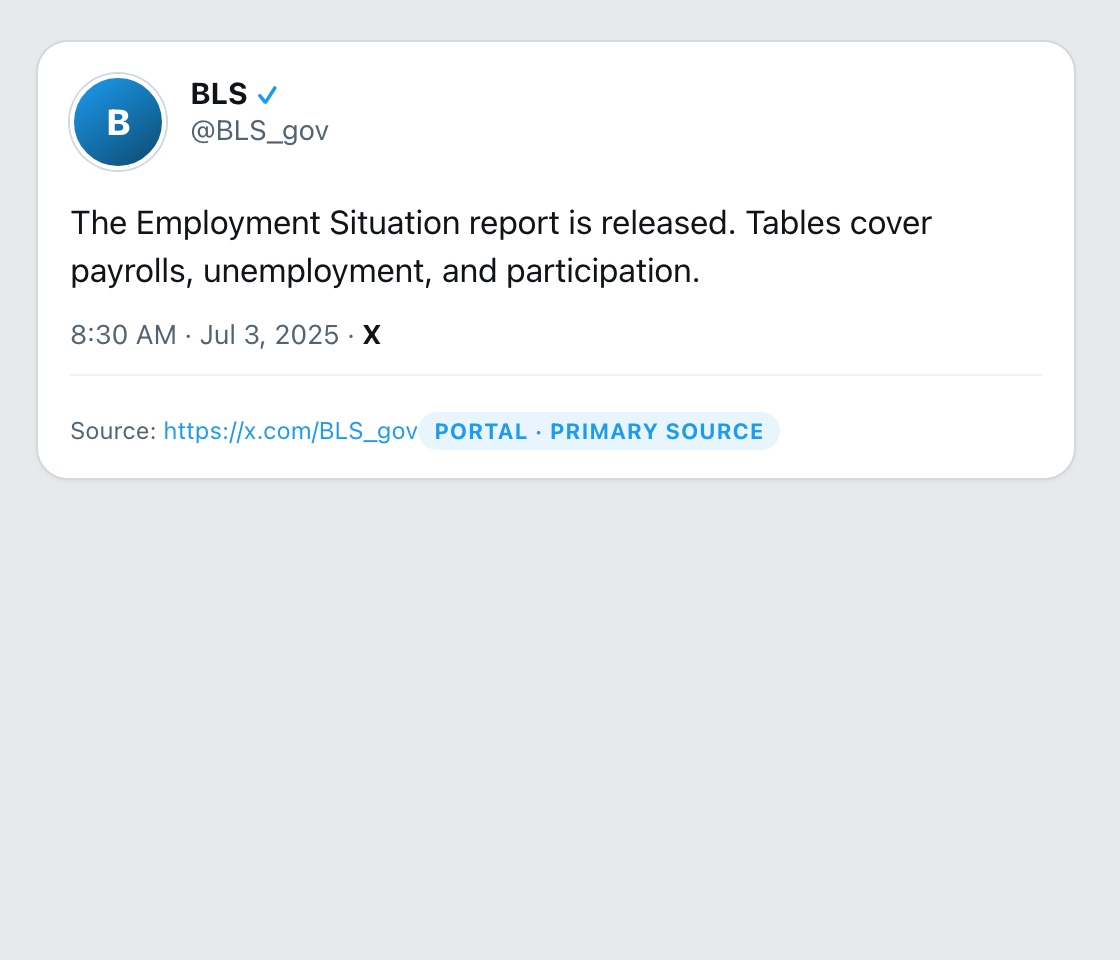
"The truth often lies in the details that are overlooked in the rush to report."
Consider the ongoing inquiries into corruption involving public officials. While major outlets tend to focus on the most sensational elements, such as the individuals involved and the immediate fallout, the systemic issues that create fertile ground for corruption are often ignored. The role of financial lobbying, the influence of special interest groups, and the impact of campaign finance laws are critical components of these narratives that rarely receive the attention they deserve.

Distorted Accountability
On the left, there is a persistent tendency to label critics as enemies of the people, while on the right, accusations of "fake news" serve to delegitimize any dissenting viewpoints. This polarization not only stifles productive dialogue but also obscures accountability. When both sides resort to hyperbole and reductive labels, they inadvertently create an environment where genuine scrutiny becomes an act of partisanship rather than a civic duty.
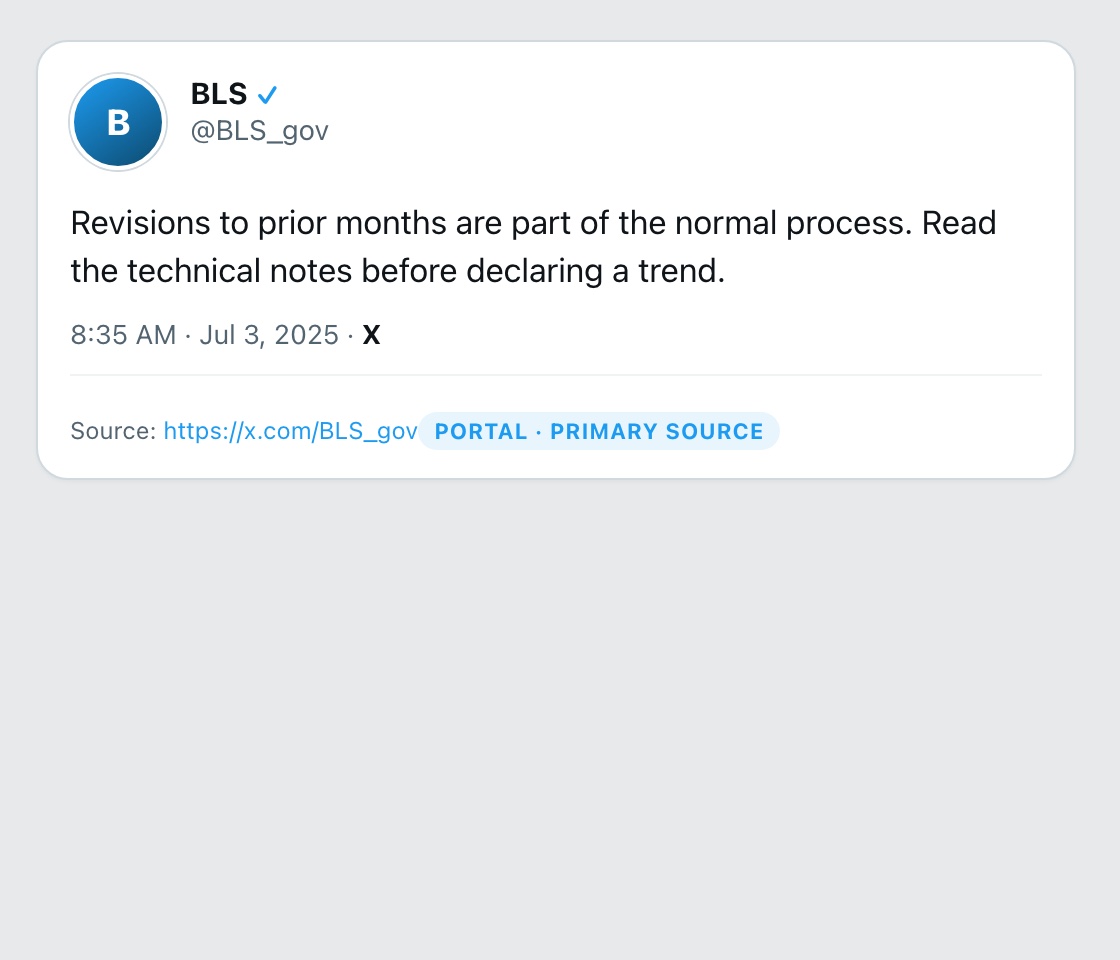
This retreat into tribalism leaves the public ill-equipped to engage with the substantive issues at hand. Instead of seeking to understand the motivations behind policy decisions or the ramifications of specific legislation, many individuals find themselves entrenched in echo chambers, where the focus is on defending a party rather than addressing the core issues that affect citizens’ lives.
Information Overload and Its Consequences
In the era of constant news cycles, the sheer volume of information can overwhelm even the most diligent citizen. The rapid-fire delivery of updates often prioritizes sensationalism over substance, leaving little room for in-depth analysis. This trend is evident in how scandals are reported and processed. Briefings are often rushed, and as journalists scramble to keep up, critical context is frequently omitted.
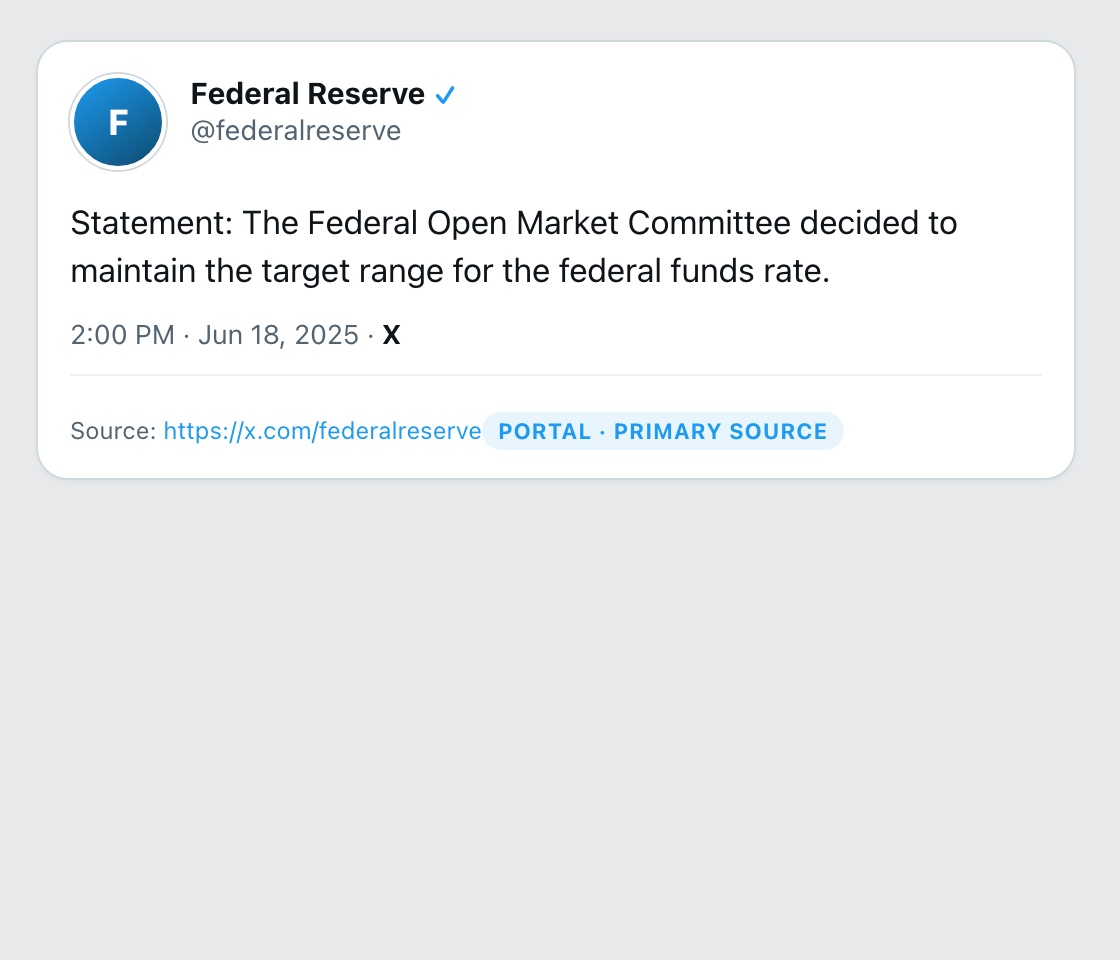
Take, for instance, the recent investigations into campaign financing. While the headlines may scream about the involvement of shadowy figures and dubious donations, the broader implications for democratic processes are seldom explored. The system that allows for such financial maneuvers is a product of years of legislative decisions, and without a thorough examination of these processes, we risk perpetuating the very issues we seek to remedy.
The Need for Nuanced Conversations
The solution lies in fostering a culture of nuanced conversations, where both sides of the political spectrum can engage with the facts rather than retreating into defensive postures. Media outlets have a responsibility to provide comprehensive coverage that goes beyond the surface-level reporting that has become all too common. This means dedicating time to explain the intricacies of political processes, the potential consequences of legislation, and the systemic issues that underpin alleged scandals.
Furthermore, it is incumbent upon citizens to demand more from their news sources. A discerning public can drive the demand for accountability and transparency by questioning narratives and seeking out comprehensive analyses rather than accepting the status quo. Engaging with a variety of perspectives and holding leaders accountable are essential steps in reclaiming the narrative from the clutches of sensationalism.
The Path Forward
As we navigate through this tumultuous political landscape, it is vital to remember that the truth often lies in the details that are overlooked in the rush to report. A commitment to in-depth analysis and a willingness to engage with complex issues will serve not only to enrich our understanding but also to strengthen the very foundation of our democracy. The scandals may capture our attention, but the processes that allow them to flourish deserve our scrutiny.
✦ ✦ ✦