From the file. Written for the paper dated March 2022. Opened in the public stacks July 14, 2026.
As the political landscape continues to shift, the topic of presidential pardon power remains a contentious issue, raising questions about its implications and the narratives that often go unexamined.
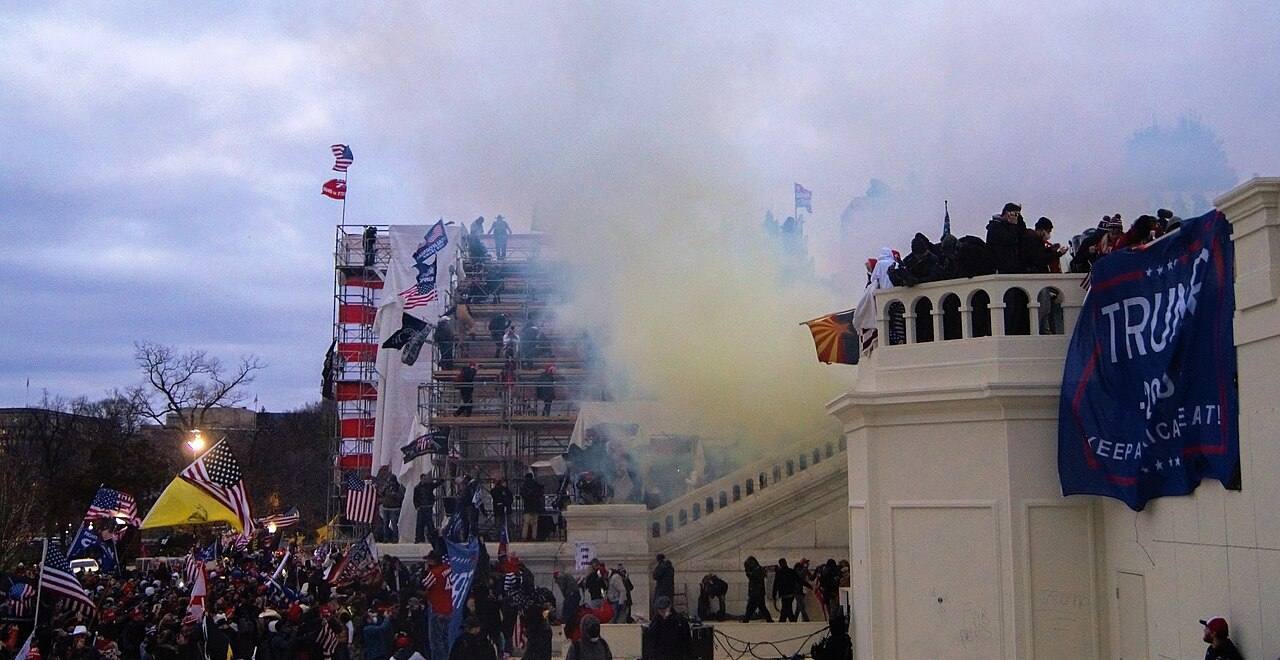
The Complexity Behind Pardon Power
The presidential power to grant pardons is enshrined in the U.S. Constitution, providing the Chief Executive with a tool intended to promote justice and mercy. However, as recent events have shown, this power can be wielded in ways that provoke intense debate and scrutiny. The left and right have each crafted narratives around pardons that often miss the broader implications of their use.
On one side, the left frequently emphasizes the need for reform in the criminal justice system, advocating for a more compassionate approach to those caught in its web. This perspective rightly highlights the disparities in sentencing and the struggles faced by marginalized communities. However, it often overlooks the historical context in which pardons operate and the complexities of individual cases that may not fit neatly into a narrative of systemic injustice.
Conversely, the right tends to focus on the potential for abuse of pardon power, particularly when it comes to high-profile cases involving political allies or controversial figures. This viewpoint raises valid concerns about accountability and the integrity of the office. Yet, it can also lead to a fear-mongering approach that simplifies the motivations behind pardons, often neglecting the genuine circumstances that may warrant clemency.
"The narratives around pardon power often miss the nuance of individual stories and the broader implications for justice."
What Gets Left Out
In both discussions, critical aspects of the pardon process tend to be sidelined. First, there is the issue of transparency. The process for granting pardons can be shrouded in secrecy, with many decisions made behind closed doors. This lack of visibility fuels speculation and distrust, as the public is left to wonder about the motivations behind each decision. Both sides of the political spectrum could benefit from advocating for a more transparent process that allows for public input and scrutiny.
Moreover, the role of the Department of Justice in the pardon process is often glossed over. While the president holds the ultimate authority, the DOJ’s recommendations can significantly influence decisions. By not addressing this dynamic, advocates on both sides of the aisle risk oversimplifying the issue and failing to engage with the complexities involved in each case.
The Need for Balanced Discourse
As the conversation around pardon power continues to evolve, it is crucial for both the left and right to engage in a more balanced and nuanced discussion. This involves acknowledging the legitimate concerns raised by both sides while also recognizing the need for a more comprehensive understanding of the implications of pardons.
Critiquing one another's excesses can lead to a more constructive dialogue. For example, the left could emphasize the importance of accountability alongside its push for reform, ensuring that the narrative does not inadvertently endorse a blanket approach to clemency. Similarly, the right could consider the humanitarian aspects of pardons, recognizing that there are cases where mercy is warranted and justified.
Ultimately, the power to pardon is not merely a tool for political maneuvering; it represents a fundamental aspect of justice in America. By fostering a more thoughtful conversation that transcends partisan divides, we can better understand the implications of this power and work towards a system that serves the interests of justice and mercy.
✦ ✦ ✦