From the file. Written for the paper dated March 2022. Opened in the public stacks July 14, 2026.
In the current political landscape, both left and right factions seem to be competing in a race to the bottom when it comes to honesty in rhetoric. Each side, in its pursuit of power and influence, often sacrifices clarity and truth on the altar of ideology.

The Art of Selective Honesty
Rhetoric, as we know, is the art of persuasion. However, in today's climate, it seems that the art has devolved into a practice of selective honesty. Politicians and pundits alike cherry-pick facts and figures that bolster their narratives while conveniently ignoring those that don't. This not only leads to a misinformed public but also deepens the chasm of distrust between various factions.

Take, for instance, the ongoing debates surrounding economic policies. On one side, conservatives often tout tax cuts as the panacea for all economic woes, highlighting job creation without addressing the potential for increased income inequality. On the other side, progressives emphasize the need for social safety nets, glossing over the complexities of government spending and its long-term implications. Both sides present their arguments with a level of confidence that often borders on dishonesty, as they fail to acknowledge the nuances involved in these issues.

“In the pursuit of ideological purity, we risk losing the essence of honest discourse.”
Echo Chambers and Their Consequences
The rise of echo chambers has exacerbated this problem. Individuals increasingly seek out information that aligns with their pre-existing beliefs, further entrenching their views and dismissing opposing perspectives. As a result, the public discourse has shifted from constructive debate to polarizing rhetoric. This shift is detrimental to democracy, as it stifles critical thinking and encourages a culture of contempt.
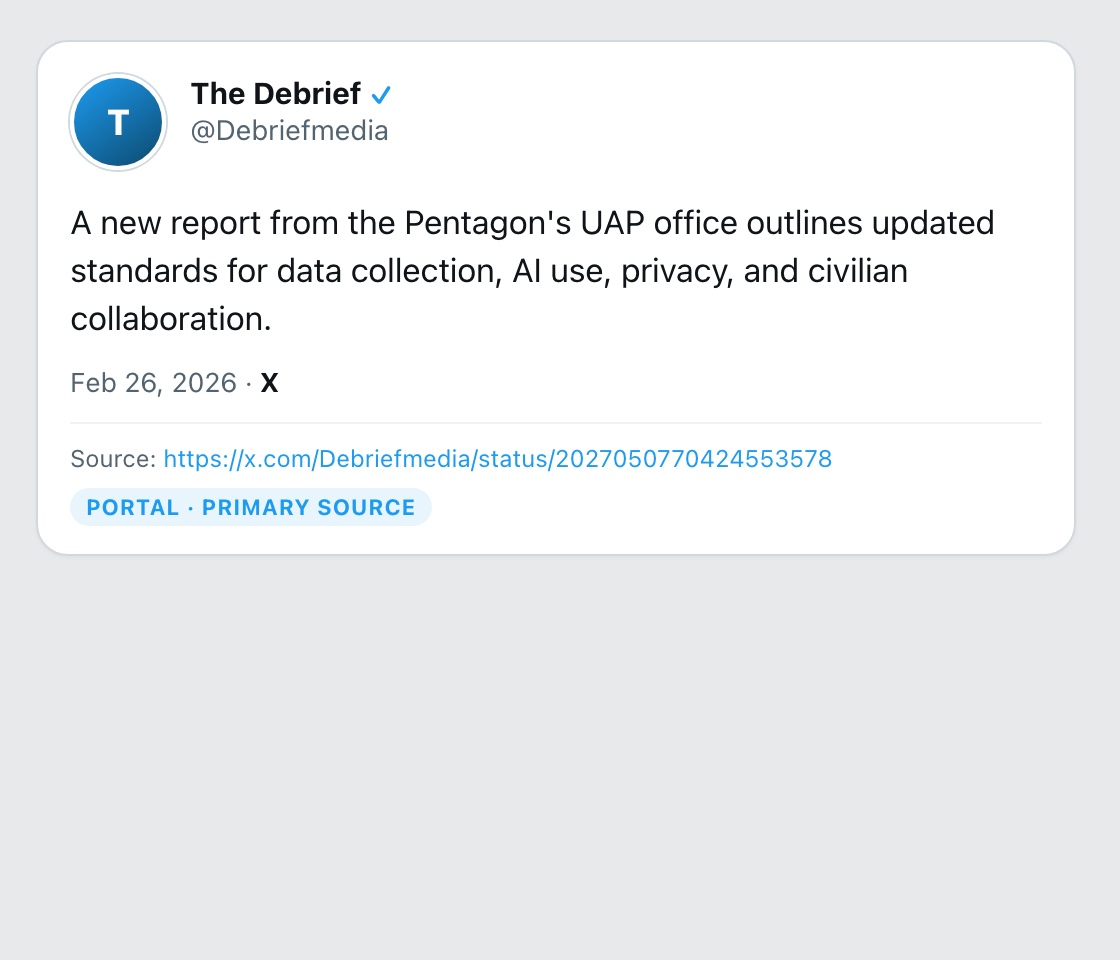
Moreover, media outlets have been complicit in this trend. Rather than fostering a space for balanced discussion, many news organizations have chosen sides, often tailoring their coverage to fit prevailing narratives. This not only undermines journalistic integrity but also reinforces the notion that certain facts are more valid than others based solely on political allegiance.
What Gets Left Out
In this environment, what often gets left out of the briefings are the complexities of real-life issues. For example, the immigration debate is frequently framed in black and white terms, with one side demonizing immigrants while the other overlooks the economic and social strains that can be associated with mass migration. The reality, however, lies in the shades of gray, where both compassion and pragmatism must coexist.
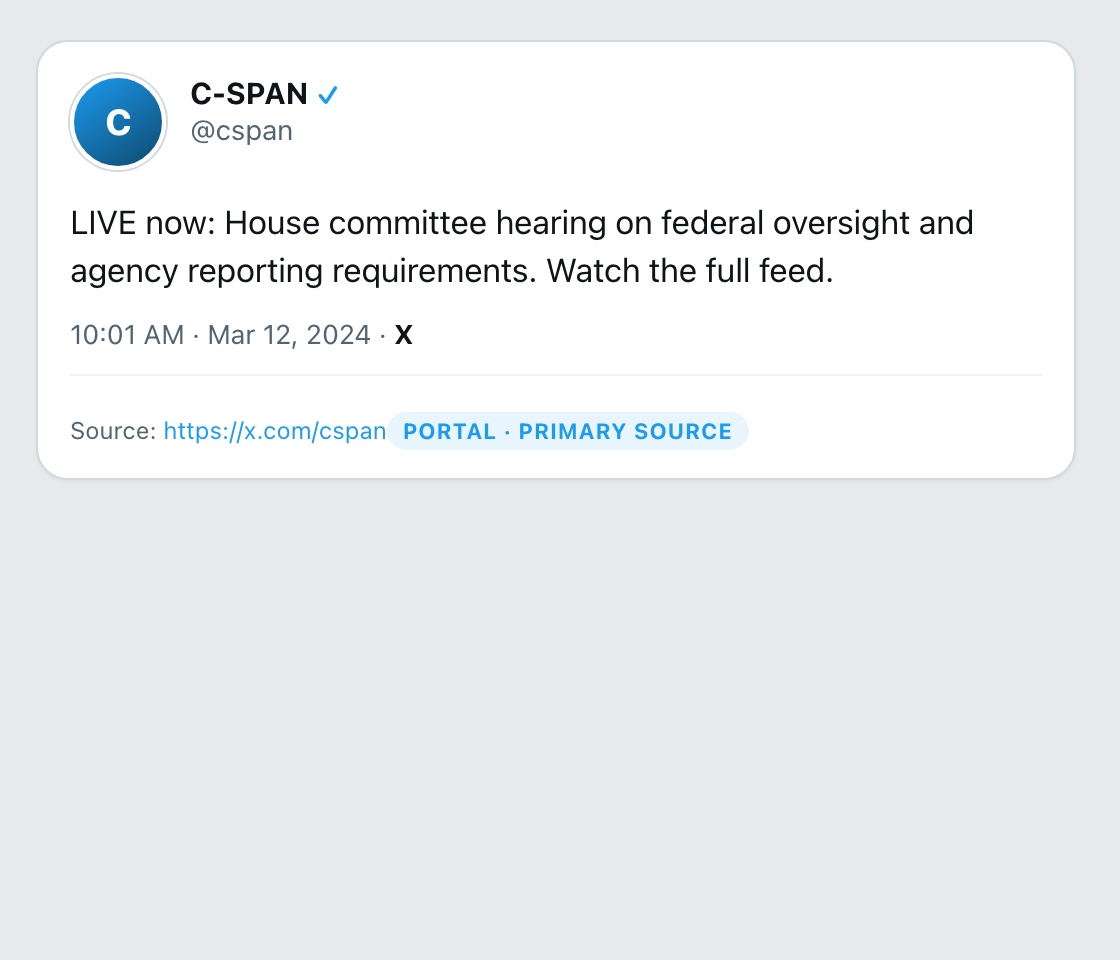
The Need for Integrity in Discourse
As citizens, we must demand more from our leaders and ourselves. Integrity in discourse should be a non-negotiable standard. This means holding politicians accountable for their statements and insisting they provide a fuller picture rather than a carefully curated one. It also means being willing to engage with ideas that challenge our own, rather than retreating into our ideological corners.
In this age of information overload, the responsibility for discerning truth should not fall solely on the shoulders of journalists or politicians. Each individual must cultivate critical thinking skills and seek out diverse perspectives. Only then can we hope to restore a sense of honesty in rhetoric that serves the greater good.
Conclusion: A Call for Honest Engagement
Ultimately, the quest for honesty in rhetoric is not merely about political correctness or adherence to a particular ideology. It is about fostering a culture of genuine engagement where all voices can be heard and respected. It is only through honest discourse that we can address the pressing issues facing our society today.
✦ ✦ ✦