From the file. Written for the paper dated March 2022. Opened in the public stacks July 14, 2026.
As the nation grapples with the implications of an aging population, critical aspects of this demographic shift remain woefully under-explored in mainstream discussions.

The Silver Tsunami: What We Know
In recent years, the term "silver tsunami" has become a buzzword, highlighting the rapid increase in the older adult population. By 2030, it's projected that one in five Americans will be over the age of 65. This demographic shift presents a range of challenges, from healthcare costs to changing workforce dynamics. However, the breadth of these challenges often gets oversimplified in media briefings and policy discussions.
“We have to rethink what aging means in a modern society.”
The Overshadowed Realities
While much attention is paid to the economic burden of an aging population, crucial social and emotional factors are often neglected. The narrative frequently centers on the financial implications for healthcare systems, pensions, and social security. Yet, the mental and emotional well-being of older adults should also be front and center. Loneliness, isolation, and mental health issues can lead to significant declines in quality of life, yet these aspects are rarely adequately addressed in policy frameworks.
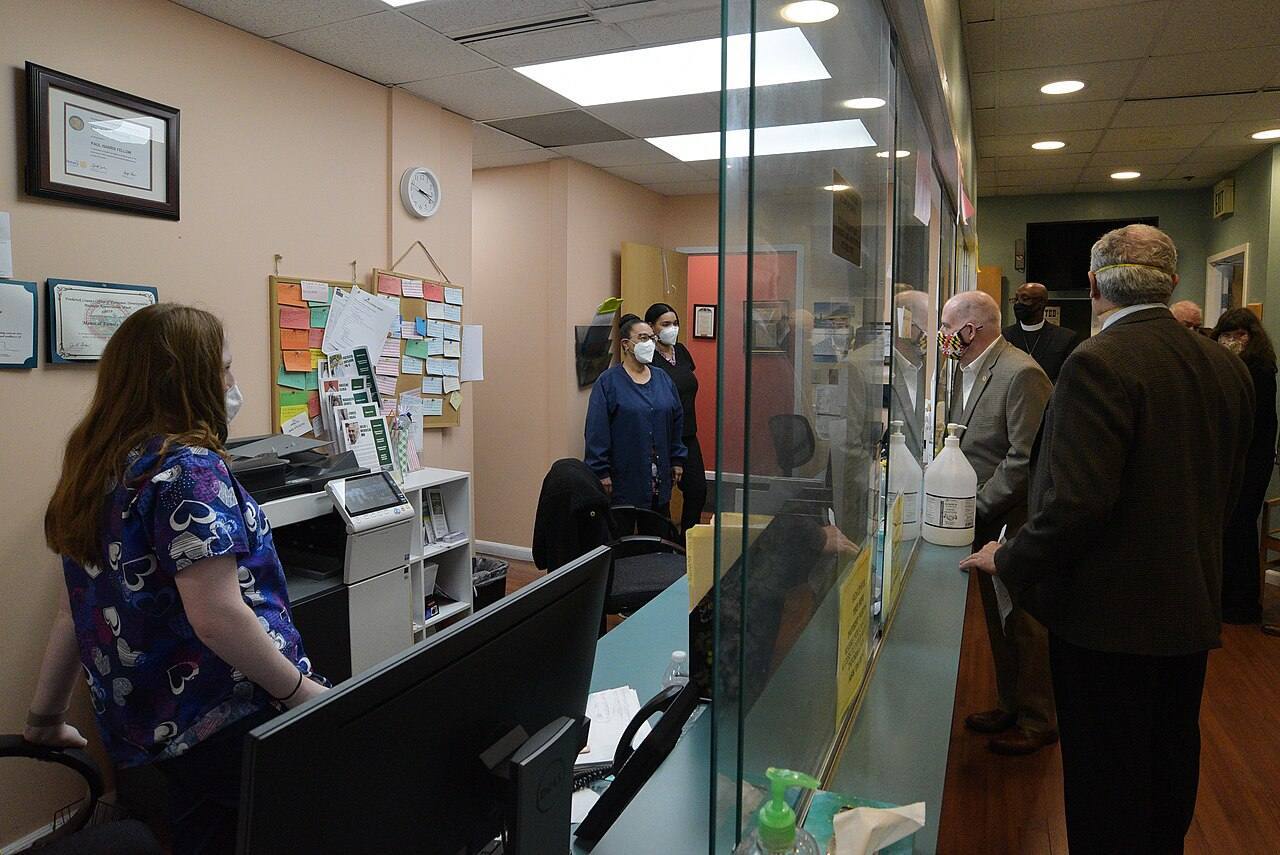
Moreover, the conversation often skews towards a one-dimensional view of aging, framing older adults primarily as a liability. This perspective overlooks their potential contributions to society. Many seniors are active volunteers, mentors, and caregivers, and they bring a wealth of experience that can benefit communities.
Health Disparities and Access to Care
Another critical area that is frequently glossed over is the health disparities faced by older adults, particularly among marginalized communities. Access to quality healthcare can vary widely based on socioeconomic status, race, and geographic location. The pandemic has exacerbated these disparities, revealing that older adults in low-income areas often receive subpar care and have less access to preventive services.
Political Polarization: A Barrier to Progress
The discussions surrounding aging often fall prey to the excesses of both the left and the right. On one side, there are calls for expansive government programs aimed at supporting older adults, which can lead to fiscal irresponsibility and an unsustainable tax burden on younger generations. On the other side, there is a tendency to downplay the needs of older populations, framing them as merely a drain on resources rather than as valuable members of society.
The political polarization surrounding aging issues can hinder constructive dialogue. Instead of working together to create balanced solutions that acknowledge both the needs of older adults and the realities of fiscal responsibility, the left and right often retreat into their ideological corners. This stalemate prevents meaningful progress on policies that could enhance the lives of older Americans.
Community Solutions: A Path Forward
Rather than solely relying on government intervention, communities can play a significant role in supporting older adults. Initiatives that promote intergenerational engagement can bridge gaps between age groups and foster mutual understanding. For example, community gardens, shared living spaces, and collaborative arts projects can create opportunities for older adults to connect with younger generations.
Additionally, local governments can incentivize businesses to cater to an older clientele, ensuring that services and products are age-friendly. Such measures not only benefit older adults but can also stimulate local economies by tapping into a burgeoning market.
Conclusion: A Call for Comprehensive Understanding
As we confront the realities of an aging population, it is essential to move beyond simplistic narratives that either vilify or idealize older adults. A comprehensive understanding of their needs, contributions, and the barriers they face is crucial for developing effective policies and fostering vibrant communities.
✦ ✦ ✦