From the file. Written for the paper dated February 2022. Opened in the public stacks July 14, 2026.
In a week marked by political maneuvering and outcry, the American public is left sifting through the revelations that have surfaced. Both the left and right are ramping up their rhetoric, but what do the numbers actually show?
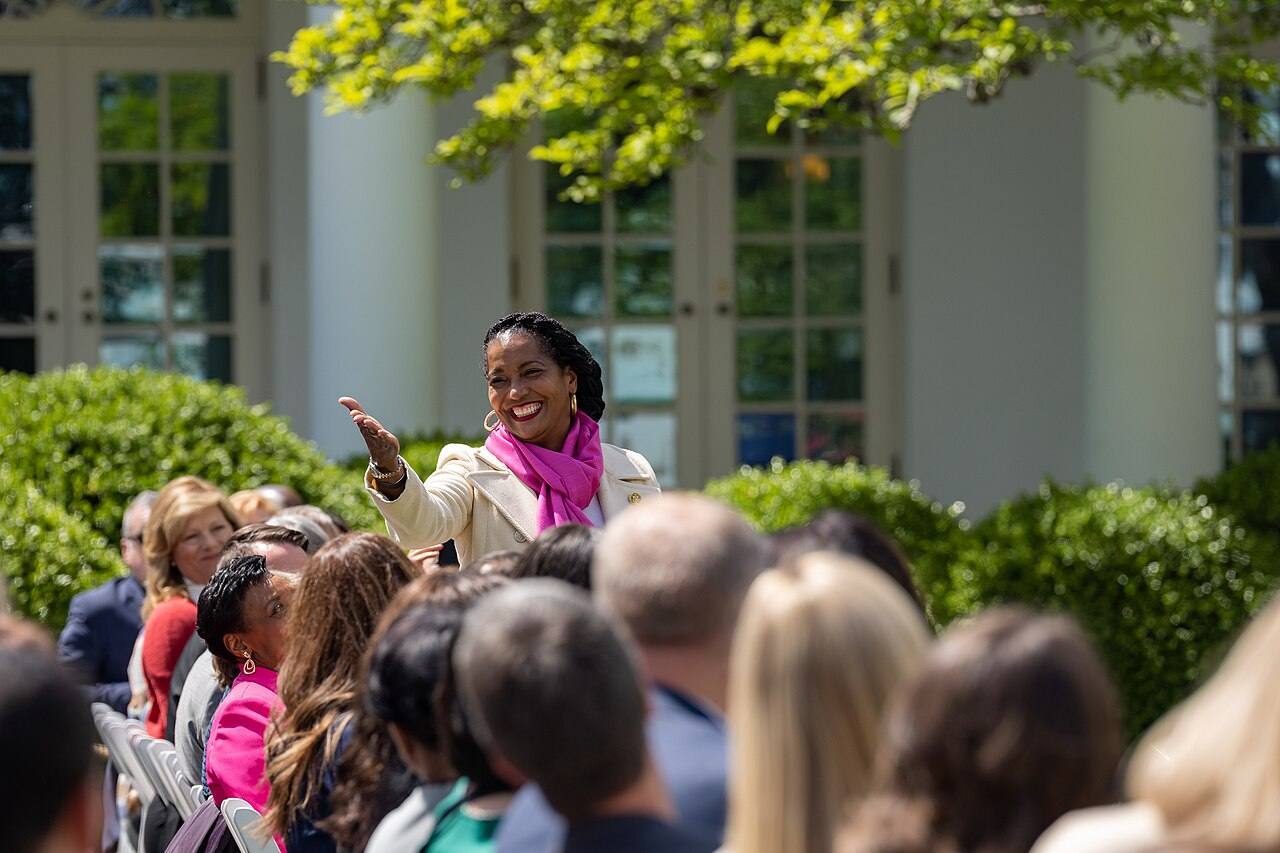
Scandals Emerge Amidst Political Turmoil
As accusations fly across the aisles, it is essential to ground ourselves in verifiable data. Recent revelations regarding campaign financing have sparked outrage among progressive circles, who decry the influence of dark money in politics. Meanwhile, conservatives are quick to point fingers at what they perceive as hypocrisy on the part of their opponents, particularly in the wake of new evidence surrounding the handling of sensitive information by high-profile Democrats.
For instance, a recent report from an independent watchdog group highlights that nearly 70 percent of campaign contributions to Democratic candidates come from large donors, a stark contrast to the party's narrative of championing grassroots movements. This statistic has become fodder for right-leaning commentators who argue that the left is just as susceptible to corruption as the groups they criticize.

"It seems that both sides are playing the same game, just with different rules," says a political analyst.
Numbers Don't Lie - Or Do They?
While critics on both sides of the aisle are keen to leverage statistics to bolster their arguments, it is crucial to examine the context behind the numbers. For example, the left's claim that the wealthiest Americans are not paying their fair share of taxes relies heavily on the assertion that the top 1 percent of earners control a disproportionate amount of wealth. However, this assertion can be misleading without acknowledging the substantial tax contributions made by these individuals through capital gains and other means.
On the other hand, conservative claims regarding crime rates in urban areas often fail to consider the broader context of socioeconomic factors contributing to these figures. A recent study showed that while violent crime has surged in certain cities, it is often correlated with systemic issues such as poverty and unemployment, which are frequently overlooked in the rush to politicize crime statistics.
The Echo Chamber Effect
Both political extremes are increasingly entrenched in their respective echo chambers, with each side amplifying its grievances while dismissing the other’s concerns. For many on the left, the focus on climate change and social justice is paramount, yet critics argue that they are neglecting pressing issues like economic stability and national security. Conversely, right-leaning factions often prioritize law and order but may overlook the systemic issues that contribute to unrest.

As the political landscape becomes more polarized, the dialogue often devolves into a battle of who can shout the loudest rather than who can present the most compelling arguments. This week’s scandals serve as a reminder that neither side holds a monopoly on ethical behavior or moral superiority.
Moving Forward: A Call for Accountability
As we navigate these turbulent waters, the American public deserves more than just sound bites and sensational headlines. A commitment to transparency and accountability should be the goal for both parties, yet the reality often falls short. It is essential for voters to remain informed and critical of the information presented to them, questioning the motivations behind the numbers and the narratives that accompany them.
The scandals of this week may fade into the background noise of political discourse, but the implications of the decisions made today will echo far beyond the immediate headlines. Whether one identifies as a progressive or a conservative, the responsibility to seek the truth remains a shared duty.
The Path Ahead
In the coming weeks, as investigations into these scandals unfold, the focus must shift from partisan battles to meaningful dialogues. How can we hold our leaders accountable while fostering a system that encourages ethical behavior? The answer lies not in partisan excess but in a collective effort to demand better from our representatives.
As we stand at this crossroads, the American public has the opportunity to reshape the narrative. By prioritizing facts over fear, we can move towards a political climate where accountability is not just a buzzword but a reality.
✦ ✦ ✦