From the file. Written for the paper dated February 2022. Opened in the public stacks July 14, 2026.
As discussions swirl around the president's use of pardon power, it is essential to examine the numbers behind this contentious authority. In a political landscape rife with partisanship, the narratives on both sides often exaggerate the implications of these executive decisions.
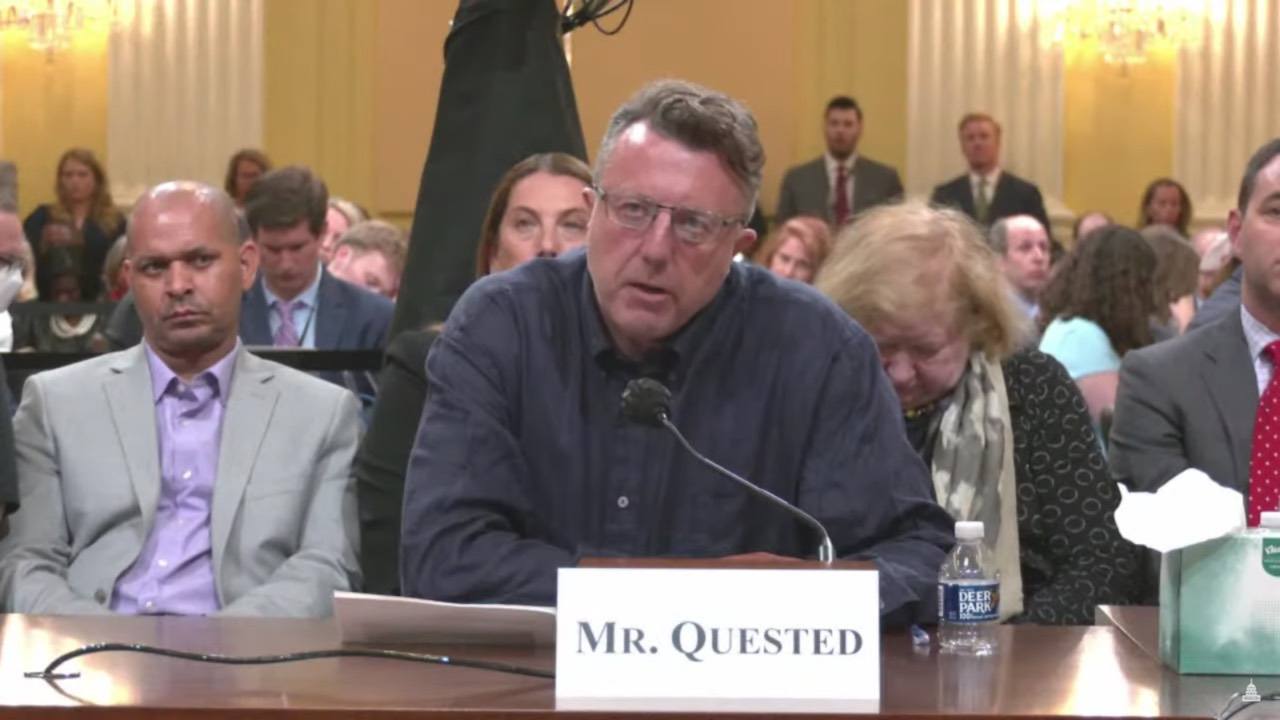
The Pardon Power: A Double-Edged Sword
The presidential power to grant pardons is enshrined in the U.S. Constitution, allowing leaders to forgive offenses, restore rights, and sometimes provide second chances. Yet, as the Biden administration navigates the complexities of its own pardon decisions, both sides of the political aisle seem to have lost sight of the real implications of these actions.
On the left, there is a growing call for blanket pardons for individuals who have been disproportionately affected by the criminal justice system, particularly those convicted of non-violent drug offenses. Advocates argue that this is a moral imperative, a necessary step toward rectifying systemic injustices. However, while the sentiment is commendable, the push for large-scale pardons often overlooks the nuances of individual cases. Not every person convicted of a crime deserves a pardon, and to paint the picture that they do only muddies the waters.
Conversely, the right has seized upon the pardon power as a tool of political warfare. By highlighting high-profile cases where pardons were granted to controversial figures, they paint a broad brushstroke that suggests a fundamental corruption of the system. This narrative often fails to recognize the historical context in which pardons have been used across administrations. The truth is that past presidents from both parties have used this power to benefit individuals based on a variety of factors, and not solely for partisan gain.
"Pardons should be viewed with a critical eye, not as a one-size-fits-all solution to justice."
The Numbers Behind Pardons
Recent statistics provide a clearer picture. According to the Department of Justice, President Biden has granted a modest number of pardons compared to his predecessors. The numbers reveal that while the current administration has made strides in addressing criminal justice reform, the pace of pardons is far from revolutionary. In fact, it mirrors the historical averages seen in previous administrations.
Moreover, the narrative that this power is being wielded recklessly is misleading. The data shows that most pardons are granted to individuals who have demonstrated rehabilitation, a factor that is essential in the decision-making process. Instead of focusing solely on the number of pardons, it is critical to analyze the contexts and backgrounds of those receiving them.
The Political Landscape
The political climate surrounding pardons is also a reflection of broader societal issues. With increasing polarization, the left emphasizes a need for compassion and reform, while the right underscores accountability and law and order. This dichotomy often results in the oversimplification of complex issues.
For instance, while it is true that systemic issues have plagued the criminal justice system, the notion that pardons can fix these problems is naive. A pardon does not erase the past; it merely provides a legal reprieve. Without addressing the underlying issues - such as access to education, employment opportunities, and mental health services - pardon power can seem like a band-aid on a much larger wound.
"A pardon does not erase the past; it merely provides a legal reprieve."
The Way Forward
As we continue to debate the implications of pardon power, it is essential for both sides of the political spectrum to approach this issue with a nuanced understanding. A balanced perspective can lead to more constructive conversations about justice and reform.
Moving forward, it is crucial to push for transparency in the pardon process. If the public is to trust the decisions made by the executive branch, they must have access to clear criteria and justifications for each pardon granted. This transparency will not only help alleviate partisan concerns but also foster a greater understanding of the complexities involved in the decisions.
In conclusion, the pardon power is a potent tool that can either heal or further fracture our justice system. To navigate this effectively, we must rise above the left-right dichotomy and recognize that the numbers tell a more complex story than either side would like to admit.
✦ ✦ ✦