From the file. Written for the paper dated January 2022. Opened in the public stacks July 14, 2026.
The recent public lab open house showcased a vibrant intersection of community engagement and scientific inquiry, yet it also reflected the broader societal trends of seeking certainty in an increasingly uncertain world.
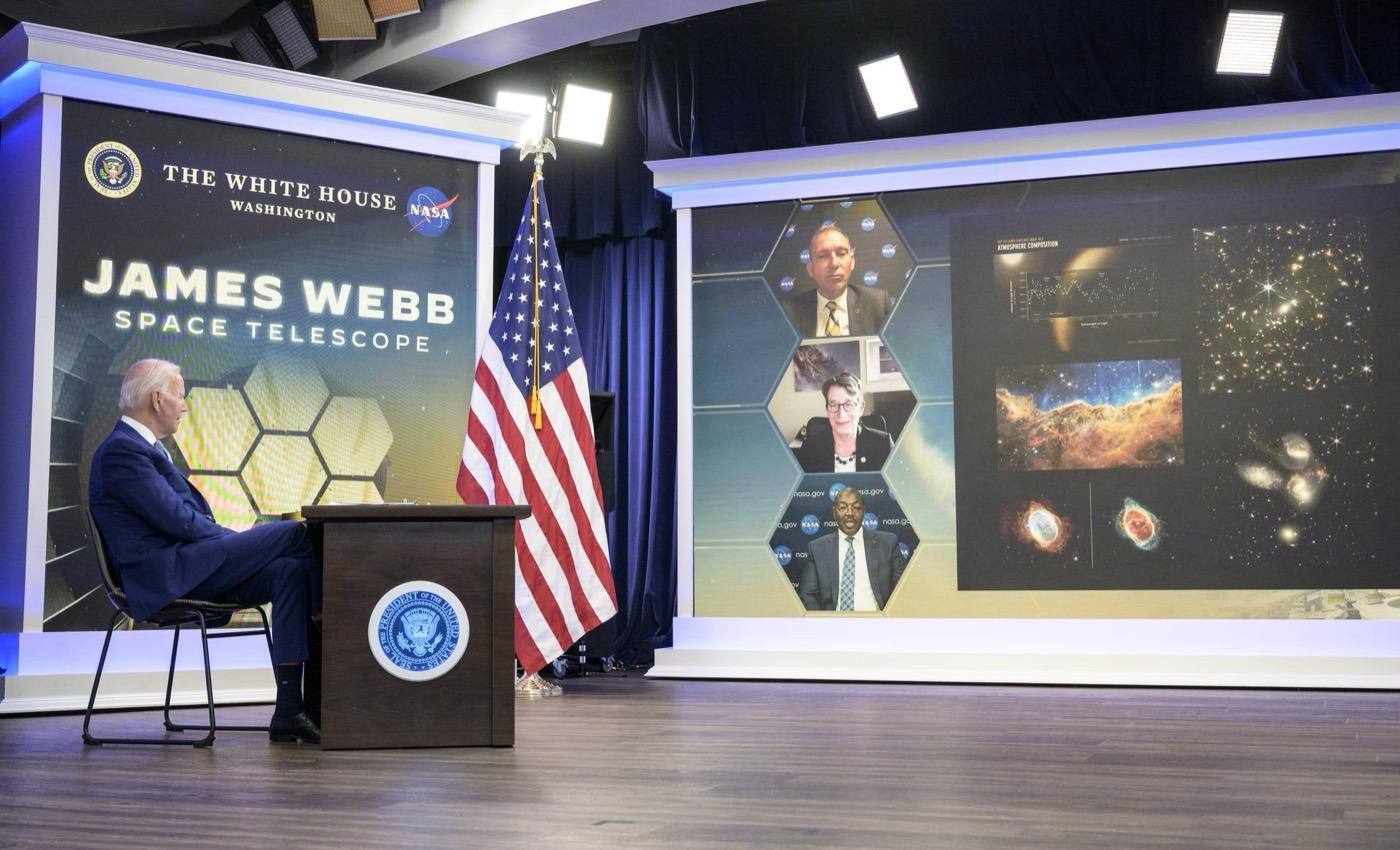
Public Engagement in Science
In the heart of our community, the public lab open house drew a curious crowd eager to learn about the latest in scientific research and innovation. Families, students, and local leaders mingled with scientists and researchers, exchanging ideas and fostering a spirit of collaboration. The atmosphere was electric, a testament to the public’s growing interest in science and technology.
However, beneath the surface of this enthusiasm lies a complex relationship between science and public perception. As we navigate a world riddled with misinformation and conflicting narratives, the allure of certainty has never been more pronounced. Attendees at the open house were not just there to explore scientific advancements; they were also searching for answers to pressing societal questions - questions that often lack clear, definitive responses.
The Search for Certainty
Certainty has become a commodity in our current climate, with both the left and right vying for the trust of the public through varying degrees of certainty. On one hand, proponents of strict scientific consensus push for a singular narrative on climate change, public health, and other critical issues. This approach, while grounded in evidence-based reasoning, can sometimes alienate those who feel their lived experiences and concerns are overlooked.
Conversely, the right often promotes a narrative that questions established scientific findings, appealing to a sense of skepticism and the desire for individual autonomy. This rejection of scientific consensus, while resonating with some, can lead to dangerous misinformation that undermines public trust in legitimate scientific inquiry.
"In a world of uncertainty, the desire for clarity can lead to the oversimplification of complex issues."
Balancing Certainty and Inquiry
At the open house, the exhibits and presentations aimed to demystify science. Researchers engaged with the public, breaking down complex topics into digestible formats, emphasizing the importance of scientific literacy. Yet, the challenge remains: how do we navigate the intricate balance between conveying certainty and inviting ongoing inquiry?

One exhibit focused on environmental science, illustrating the tangible impacts of climate change through interactive displays. While the science presented was clear, it also acknowledged the uncertainties inherent in predictions and models. This approach received mixed reactions from attendees; some appreciated the honesty, while others yearned for more definitive conclusions.
Community Science vs. Polarized Politics
The public lab open house serves as a microcosm of our larger societal struggles. In an era where political polarization runs deep, the willingness to come together and engage with science is commendable. Yet, the event also highlighted the pervasive divide in how science is perceived and utilized in political discourse.
Left-leaning advocates often argue for more robust investment in scientific research, emphasizing the need for collective action to address issues like climate change and public health. On the other hand, right-leaning voices may prioritize economic concerns over regulatory measures, often positioning scientific findings as tools to be wielded in the political arena.
A Call for Nuanced Understanding
The open house provided a platform for dialogue, but it also underscored the necessity for nuanced understanding. Engaging with science requires more than just a thirst for certain answers; it demands critical thinking and an appreciation for complexity. The challenge lies in fostering an environment where scientific inquiry is respected, yet continuously questioned and explored.
As we reflect on the outcomes of the open house, we must recognize the importance of fostering a culture that values evidence-based reasoning while remaining open to diverse perspectives. Science cannot thrive in an environment of rigid dogmatism, nor can it flourish in a vacuum of skepticism. Instead, it requires a dialogue that embraces uncertainty as a catalyst for discovery.
Looking Ahead
Moving forward, events like the public lab open house will be crucial in bridging the gap between science and society. By continuing to engage the public in meaningful dialogue, we can cultivate a more informed citizenry that navigates the complexities of modern science with both curiosity and critical awareness.
In an age where both the left and right often seek to exploit the quest for certainty, the responsibility lies with educators, scientists, and communicators to present a balanced view. The pursuit of knowledge should inspire, not intimidate, and it is only through a collective commitment to understanding that we can hope to navigate the challenges ahead.
✦ ✦ ✦