From the file. Written for the paper dated December 2021. Opened in the public stacks July 14, 2026.
As the dust settles after the latest State of the Union address, it becomes clear that both sides of the aisle are guilty of a bipartisan habit: selective memory. This phenomenon shapes the political landscape and distorts public discourse, making it difficult to confront the pressing issues facing our nation.
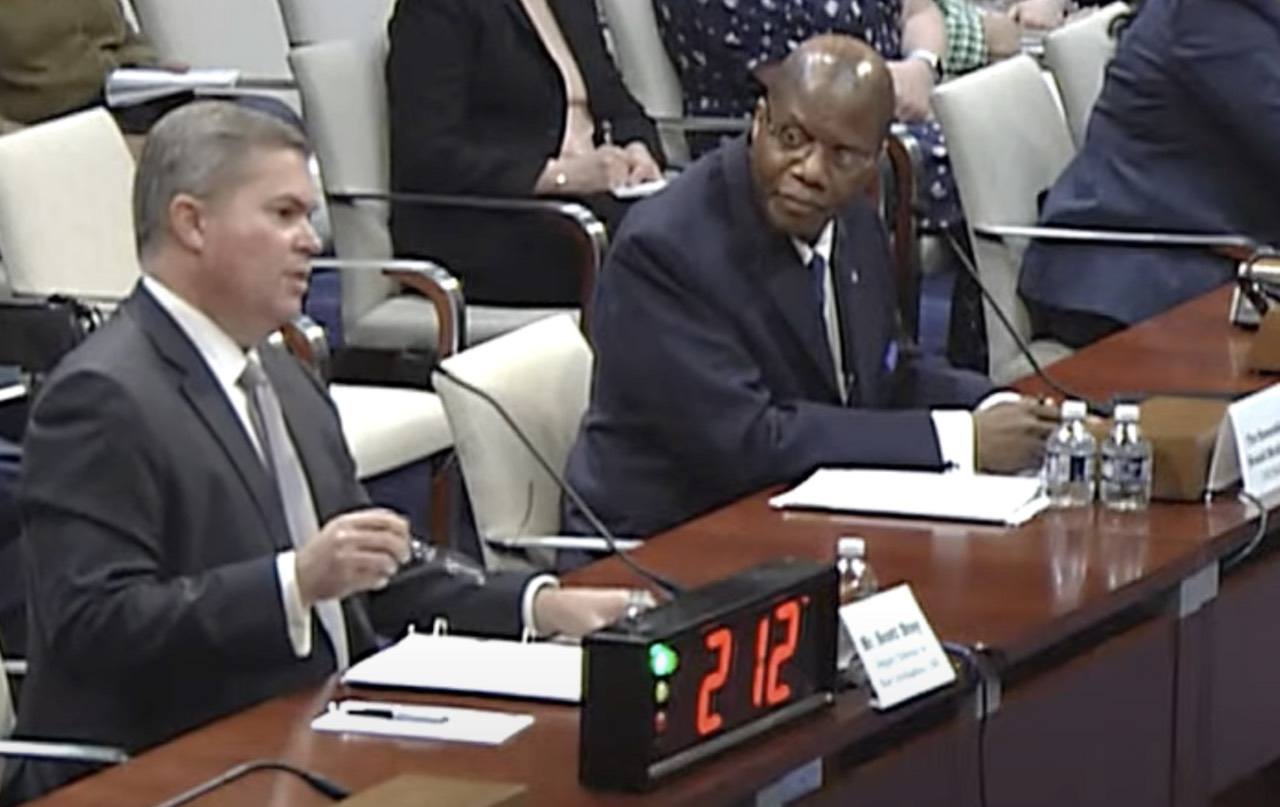
The Art of Selective Memory
In a time when political polarization is at an all-time high, both Democrats and Republicans often cherry-pick facts, narratives, and historical events that align with their agendas. This selective memory not only fuels division but also complicates the path to meaningful dialogue and bipartisan solutions.

The recent address was no exception. While the President highlighted significant achievements, such as economic recovery and advancements in public health, critics on the right were quick to dismiss these claims as mere rhetoric, ignoring the context of a pandemic that has devastated lives and livelihoods. Conversely, the left celebrated these victories while glossing over the ongoing challenges that remain, particularly concerning inflation and supply chain disruptions.

"Both sides engage in a dangerous dance of forgetting what doesn't suit their narrative."
Echoes of the Past
One of the most striking aspects of the aftermath was the contrasting interpretations of past administrations’ policies. Republicans, in their criticisms, frequently invoked the mantra of "government overreach," pointing to the expansions of federal programs initiated during the previous administration. However, they often forget their own party's role in fostering many of these policies. On the other hand, Democrats tend to overlook the bipartisan efforts that led to certain legislative successes, framing them instead as purely partisan achievements.

This habit of selective memory ultimately hinders progress. The right often criticizes the left for its spending policies, while the left points fingers at the right for its perceived lack of compassion towards the marginalized. Yet, both sides have contributed to the policies that we now debate, making it essential to recognize the complexities inherent in governance.
The Media’s Role
The media landscape also plays a crucial role in perpetuating this selective memory. Outlets often cater to their audiences’ biases, reinforcing existing beliefs rather than challenging them. This creates echo chambers where misinformation thrives, and stories that contradict the prevailing narrative are either downplayed or ignored altogether.

As journalists, we must hold ourselves accountable and strive to present a balanced view of events. It is vital to challenge the narratives that each side presents and to remind the public of the nuanced realities of governance. By doing so, we can foster a more informed electorate that is capable of making decisions based on a comprehensive understanding of the issues at hand.
A Call for Accountability
As we move forward from the State of the Union address, it is crucial for both politicians and the media to recognize the dangers of selective memory. The American public deserves a full accounting of the issues that affect their lives, not a sanitized version that aligns with partisan ideologies.
It is time for both sides to engage in honest self-reflection and acknowledge their complicity in the very problems they seek to solve. Only through a commitment to truth and accountability can we hope to bridge the divides that plague our nation.
Conclusion
In a world where political narratives are often manipulated, it is incumbent upon us to seek out the truth. The State of the Union aftermath highlights the necessity of moving beyond selective memory, fostering an environment where genuine dialogue can flourish. This is not merely a challenge for politicians but for all citizens who yearn for an informed and united America.
✦ ✦ ✦