From the file. Written for the paper dated November 2021. Opened in the public stacks July 14, 2026.
As the holiday season approaches, the disruptions in the supply chain are spilling into consumer consciousness, revealing a quiet failure of oversight across the marketplace.
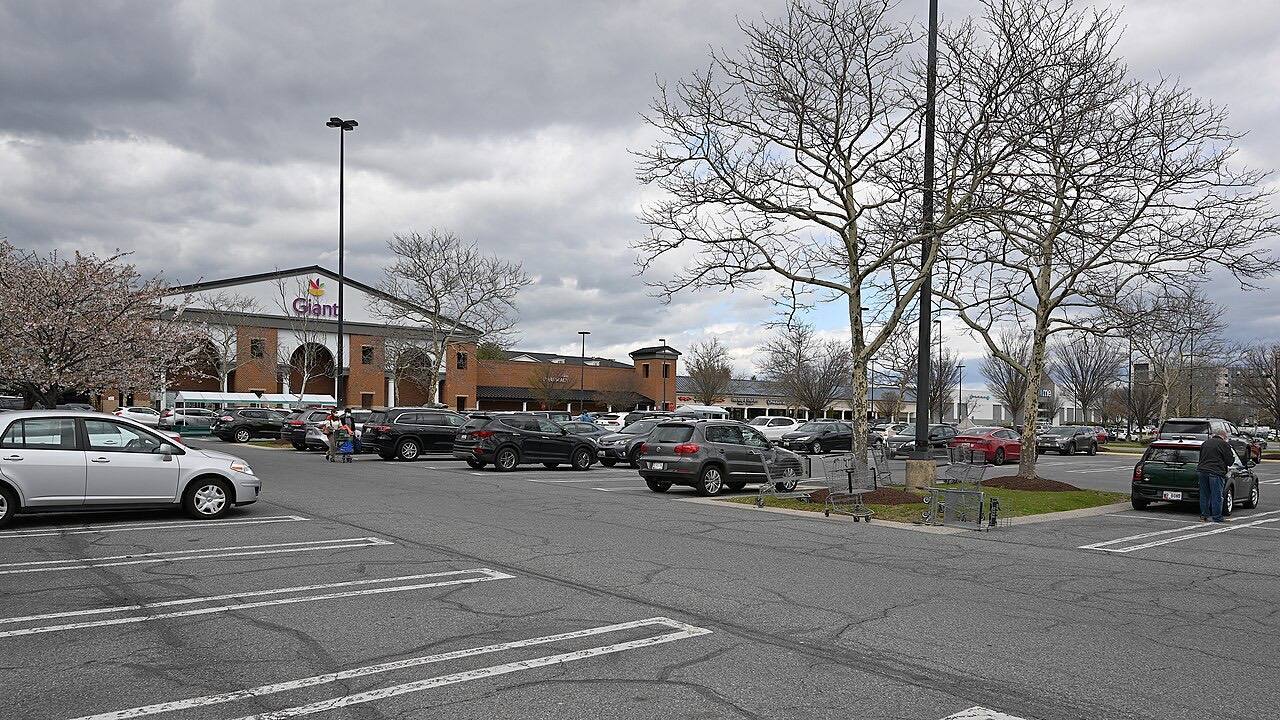
The Supply Chain Conundrum
The supply chain crisis has emerged as a prominent issue, affecting everything from electronics to everyday household items. Reports of empty store shelves and delayed shipments are becoming commonplace, prompting questions about the systemic failures that have led to this moment. Both the left and right have their narratives, but the reality is more nuanced than any political talking point can capture.

"It's not just a shortage of products; it's a shortage of accountability."
On one hand, there are those on the right who argue that government overreach during the pandemic has hampered the free market's ability to function effectively. They point fingers at regulations and stimulus measures as the culprits behind the current chaos. Yet, this line of reasoning oversimplifies a complex issue. While it’s true that certain regulations may have posed challenges, the root causes of the supply chain crisis extend far beyond political posturing.
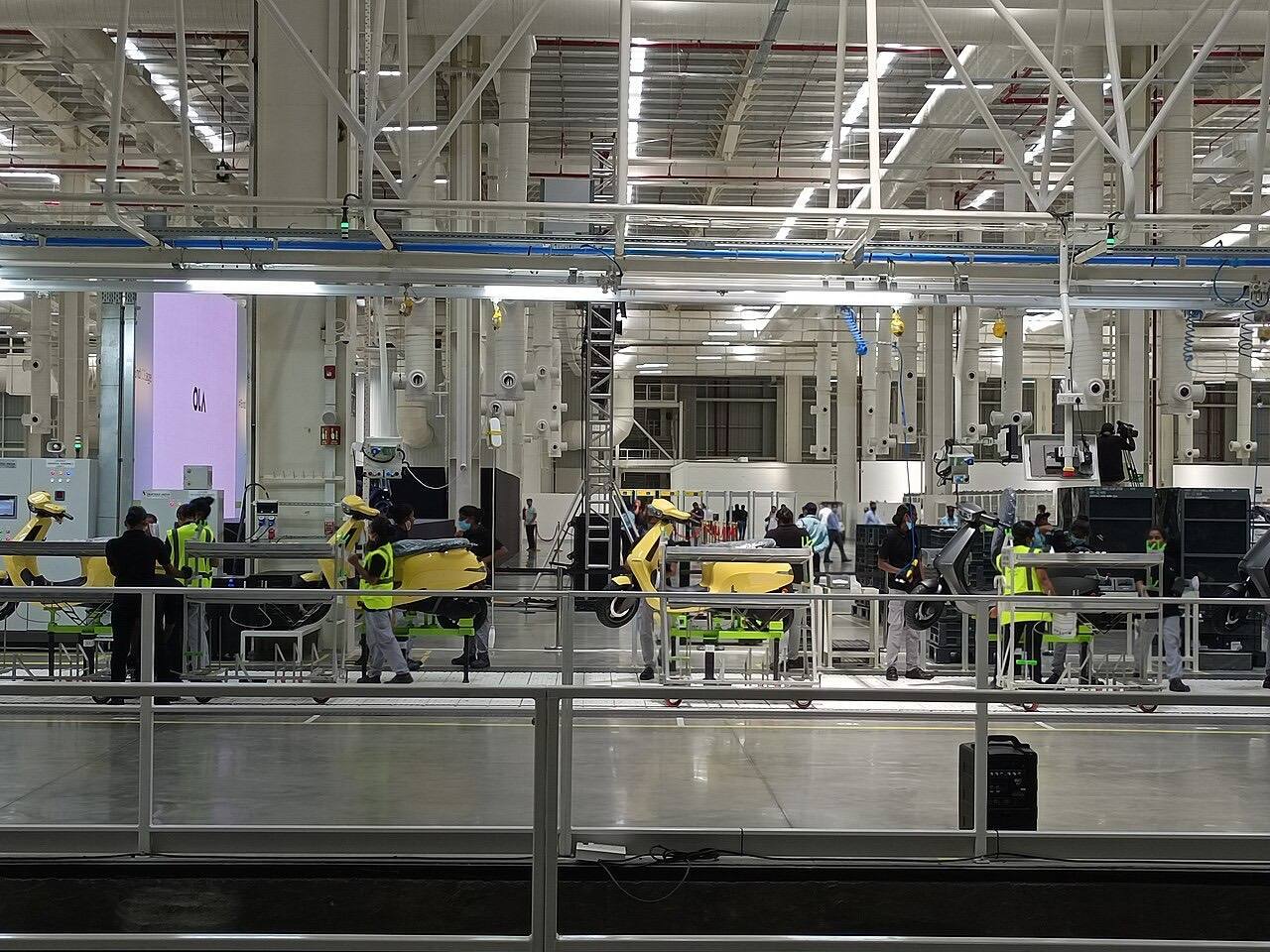
On the other side, the left tends to focus on the exploitation of workers and the need for stronger labor protections. Advocates argue that the low wages and poor working conditions in warehouses and transportation sectors have created a fragile system that cannot withstand shocks. While their concerns are valid, they often overlook the broader systemic inefficiencies that have plagued logistics for years, well before the pandemic turned them into a crisis.

A Fragile Network
The reality is that our supply chain is a tightly interwoven network, dependent on precise timing and coordination. The pandemic exposed vulnerabilities that had been simmering beneath the surface. With manufacturers shut down, shipping routes disrupted, and labor shortages rising, the cracks in the system widened. Companies that had invested heavily in just-in-time inventory systems found themselves particularly vulnerable, as they had little wiggle room to adapt to sudden disruptions.
As businesses scramble to meet consumer demand, the blame game continues. Brands like Walmart and Target have taken steps to mitigate the fallout by chartering their own shipping vessels and increasing their inventory ahead of the holiday shopping rush. However, this strategy highlights a key issue: larger companies are able to ride out the storm while smaller businesses struggle to keep their doors open. The uneven playing field is a testament to the failures of a system that claims to be meritocratic.
Policy and Oversight Failures
One cannot overlook the role of policymakers in this ongoing saga. In recent years, there has been a notable lack of investment in infrastructure and oversight. Shipping ports have been slow to modernize, and regulations surrounding labor practices have often lagged behind the rapidly changing landscape of logistics. Both parties have a stake in this failure, as they have prioritized short-term political gains over long-term stability.
Moreover, the excessive partisanship surrounding the issue has made it difficult for meaningful solutions to emerge. The left clamors for more regulation and oversight, while the right champions deregulation and market-driven solutions. The reality is that a balanced approach is necessary. Effective oversight is not a dirty word; it is a necessary component of a functioning economy that values both efficiency and fairness.
Consumer Impacts
As consumers, we are caught in the crossfire of this ongoing debate. Many of us are already feeling the effects of rising prices and limited availability. The holiday shopping season, typically a time of abundance, is shaping up to be a season of scarcity. It raises the question: how do we reconcile our desire for convenience with the realities of a flawed system?
In this environment, consumers are left to navigate a landscape marked by uncertainty. Should we expect higher prices? Yes. Should we brace for disappointment when our holiday wish lists go unfulfilled? Absolutely. However, instead of merely reacting to the situation, we ought to advocate for reforms that can create a more resilient supply chain. This means supporting policies that promote fair labor practices, investing in infrastructure, and fostering a cooperative environment between businesses and government.
Finding Common Ground
The supply chain crisis is a multifaceted issue that requires a united response. It is time for both sides of the aisle to stop the finger-pointing and start collaborating on solutions. The goal should not be to assign blame but to forge a path forward that prioritizes accountability, efficiency, and fairness.
As we head into the final months of 2021, it is crucial to remember that the supply chain is not just a series of transactions; it is a reflection of our collective values and priorities as a society. The challenges we face now are an opportunity to rethink how we approach commerce, governance, and community.
✦ ✦ ✦