From the file. Written for the paper dated November 2021. Opened in the public stacks July 14, 2026.
As the dust settles from the recent State of the Union address, one thing becomes abundantly clear: the political theater surrounding the event often overshadows the critical issues at hand. Both sides of the aisle have fallen into a pattern of excessive partisanship, blurring the lines of accountability in an era where oversight is more crucial than ever.
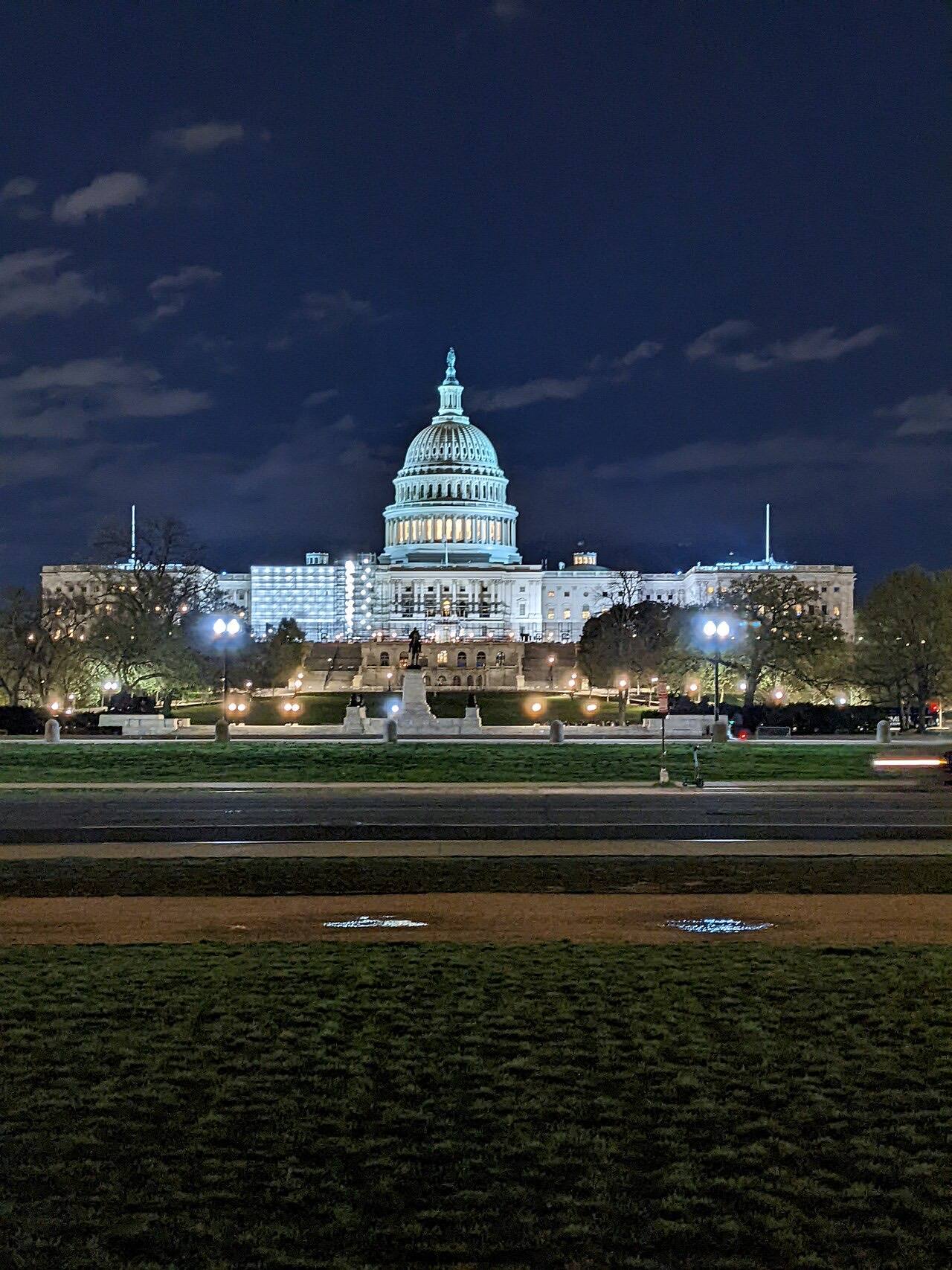
Lost in Translation
The State of the Union address typically serves as a barometer for the nation’s concerns and aspirations, a moment when the president lays out a vision for the upcoming year. However, this year's address has highlighted a troubling trend of disengagement among lawmakers who seem more invested in party loyalty than in the pressing needs of their constituents. The aftermath was characterized by a chorus of self-congratulation from both sides, rather than the critical reflection necessary for genuine progress.
On one hand, Democrats have rallied around the administration's accomplishments, framing the address as a triumph of policy and vision. Yet, beneath the surface, many critical issues languish unaddressed. The ongoing challenges surrounding healthcare, climate change, and economic recovery remain in limbo, overshadowed by a relentless focus on party victories rather than substantive policy debates.
Conversely, the Republican response was marked by sharp criticism, targeting perceived missteps and promoting a narrative of decline under Democratic leadership. Yet, this critique often veers into hyperbole, with right-leaning commentators painting a bleak picture that fails to acknowledge the complexities of governance. In their zeal to oppose, they risk overlooking opportunities for collaboration that could benefit the American people.
"Both sides seem more interested in scoring political points than in addressing the issues that affect everyday Americans."
Oversight or Overshadowed?
One of the stark realities post-address is the glaring absence of true oversight. While Congress has a duty to scrutinize executive actions and hold the administration accountable, the current climate often stifles these efforts. Instead of rigorous debate, we see an echo chamber of partisan talking points that drown out the voices of those genuinely seeking reform.
This lack of oversight is particularly concerning given the myriad challenges facing the nation. For example, the supply chain crisis and inflation have reached levels that demand immediate attention and action. Yet, rather than bringing forth solutions, both parties seem locked in a battle over blame, leaving the public to grapple with the consequences of legislative inaction.
Engagement Over Estrangement
The need for engagement over estrangement has never been more pressing. Voter disillusionment is palpable, and the risk of alienating the public further is a concern that both parties must grapple with. A recent poll indicated that a significant portion of the electorate feels unheard and undervalued, an alarming sentiment that underscores the importance of returning to the roots of representative democracy.
It is crucial for legislators to step outside their party bubbles and engage in meaningful dialogue. The American public deserves leaders who prioritize the collective good over party affiliation. While the stakes are high and the political environment is charged, the real challenge lies in finding common ground amidst the noise.
A Call to Action
As we reflect on the State of the Union address, it’s clear that a quiet failure of oversight is taking root in the political landscape. The need for a renewed commitment to accountability and genuine engagement is urgent. Both Democrats and Republicans must prioritize the needs of the people over party loyalty, forging alliances that transcend division.
In an era where political polarization reigns supreme, it is vital for lawmakers to remember their primary obligation: to serve their constituents. A shift from partisan posturing to constructive dialogue could pave the way for real solutions, ensuring that the voices of everyday Americans are heard in the corridors of power.
✦ ✦ ✦