From the file. Written for the paper dated November 2021. Opened in the public stacks July 14, 2026.
In a time when our political landscape feels increasingly polarized, the ability to read and interpret primary sources without bias or team allegiance is more crucial than ever. Yet, the reality is that many Americans are not only choosing sides but also allowing those sides to dictate their understanding of facts.

The Erosion of Objective Analysis
As we navigate the complexities of today’s political discourse, the importance of primary sources cannot be overstated. These documents - be they historical records, government papers, or original research - provide the raw data necessary for informed discussion. However, an alarming trend has emerged: the tendency for individuals to approach these sources with preconceived notions, often shaped by partisan media and groupthink.
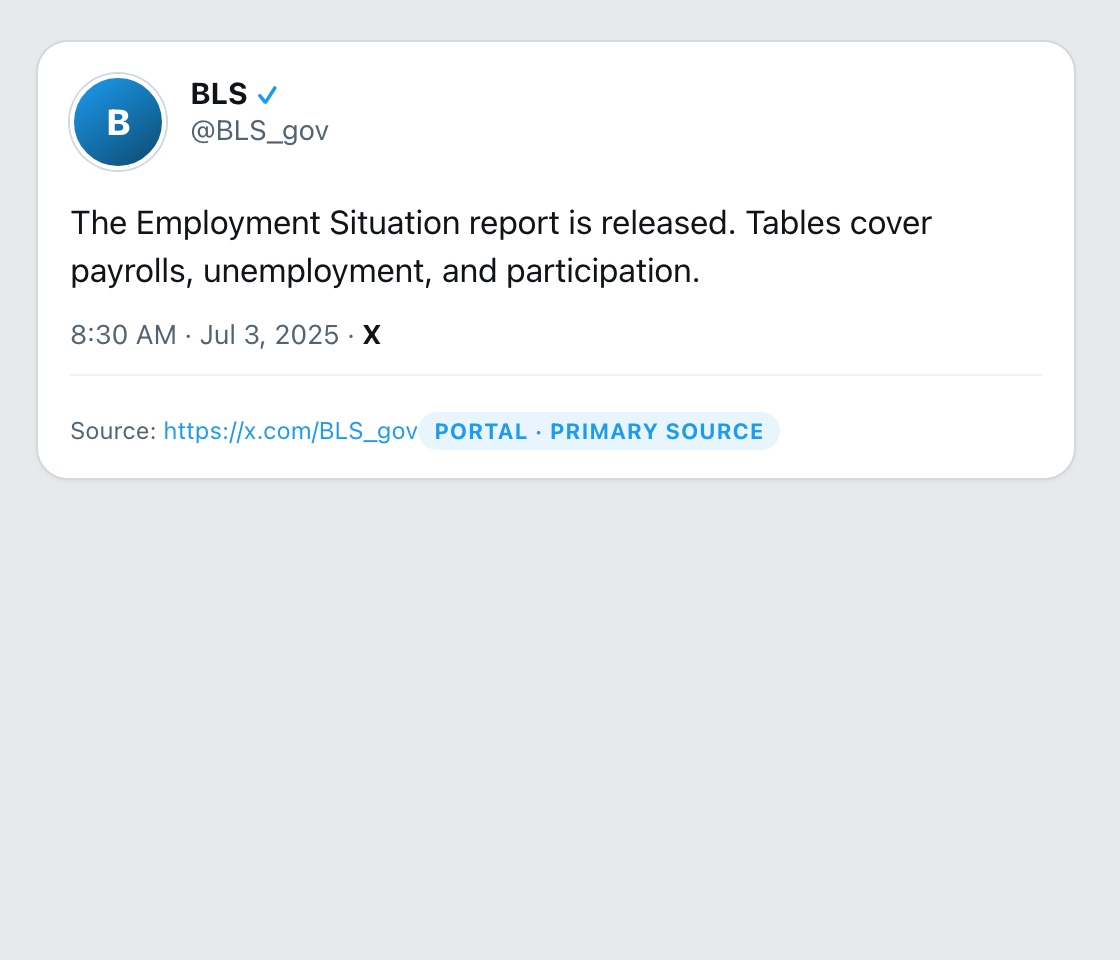
On the left, there is a growing inclination to dismiss any primary source that does not align with progressive values, labeling dissenting information as “misinformation” or “fake news.” This reaction not only stifles valuable discourse but also undermines the very foundation of democracy, which depends on the free exchange of ideas. If one side is unwilling to engage with opposing viewpoints, we risk creating echo chambers that may lead to further division.

Conversely, the right has similarly fallen prey to its own excesses. In an era where the narrative is often dictated by sensational headlines and fearmongering, many on the right have adopted a dogmatic approach to primary sources, often cherry-picking facts that support their worldview while ignoring context or contradictory evidence. This selective reading further entrenches partisan divides, making compromise and understanding increasingly elusive.
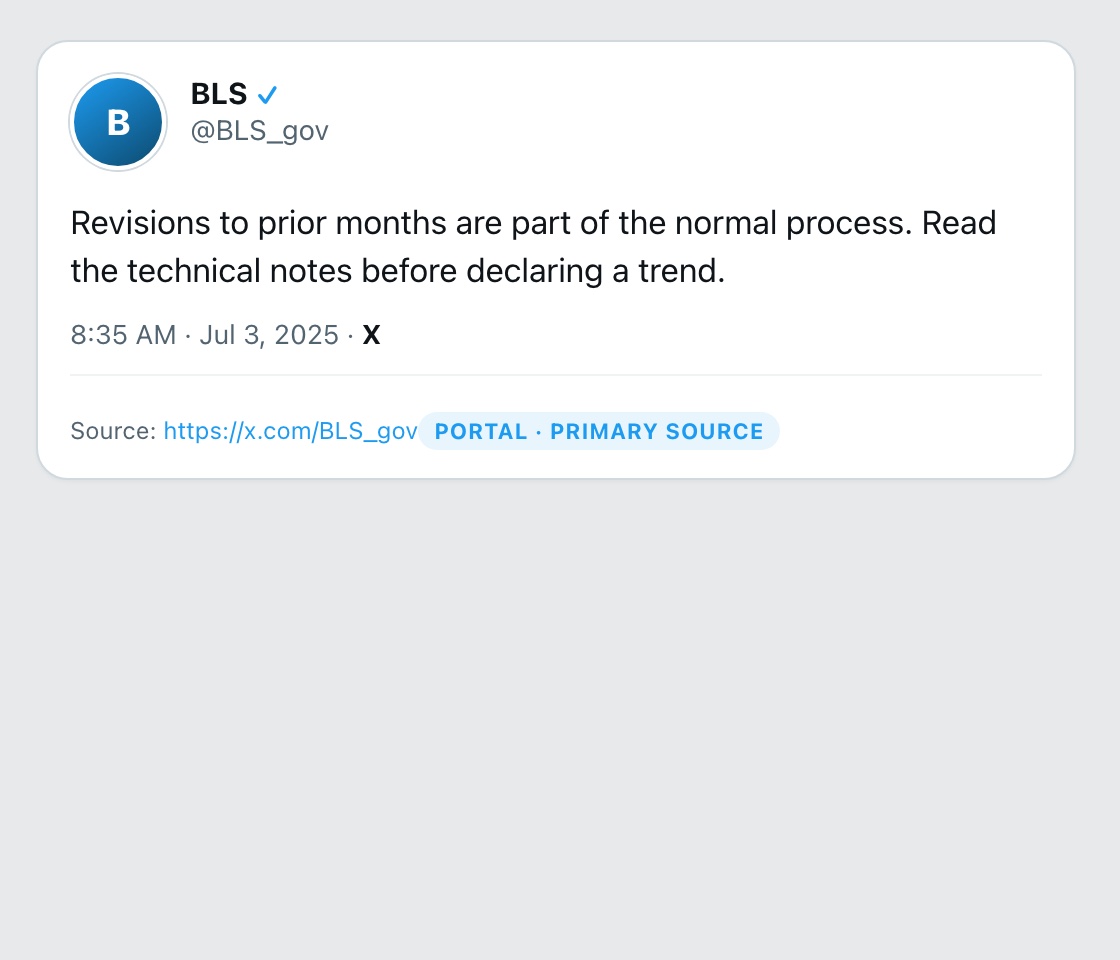
"The ability to read and interpret primary sources without bias or team allegiance is more crucial than ever."
Quiet Failures of Oversight
The quiet failure of oversight in our approach to primary sources is troubling. Educational institutions are tasked with preparing students to analyze and interpret information critically. However, the increasing politicization of curricula has resulted in a generation of learners who may not be equipped to engage with texts that challenge their beliefs. Instead of fostering an environment where diverse viewpoints can coexist and be debated, many classrooms have become battlegrounds of ideological conformity.
Moreover, the rise of sensationalist media has exacerbated this issue. Outlets on both sides often prioritize sensationalism over substance, leading audiences to accept information that aligns with their biases rather than seeking out the truth. This phenomenon is particularly dangerous in a democratic society where informed citizens are essential for accountability and progress.
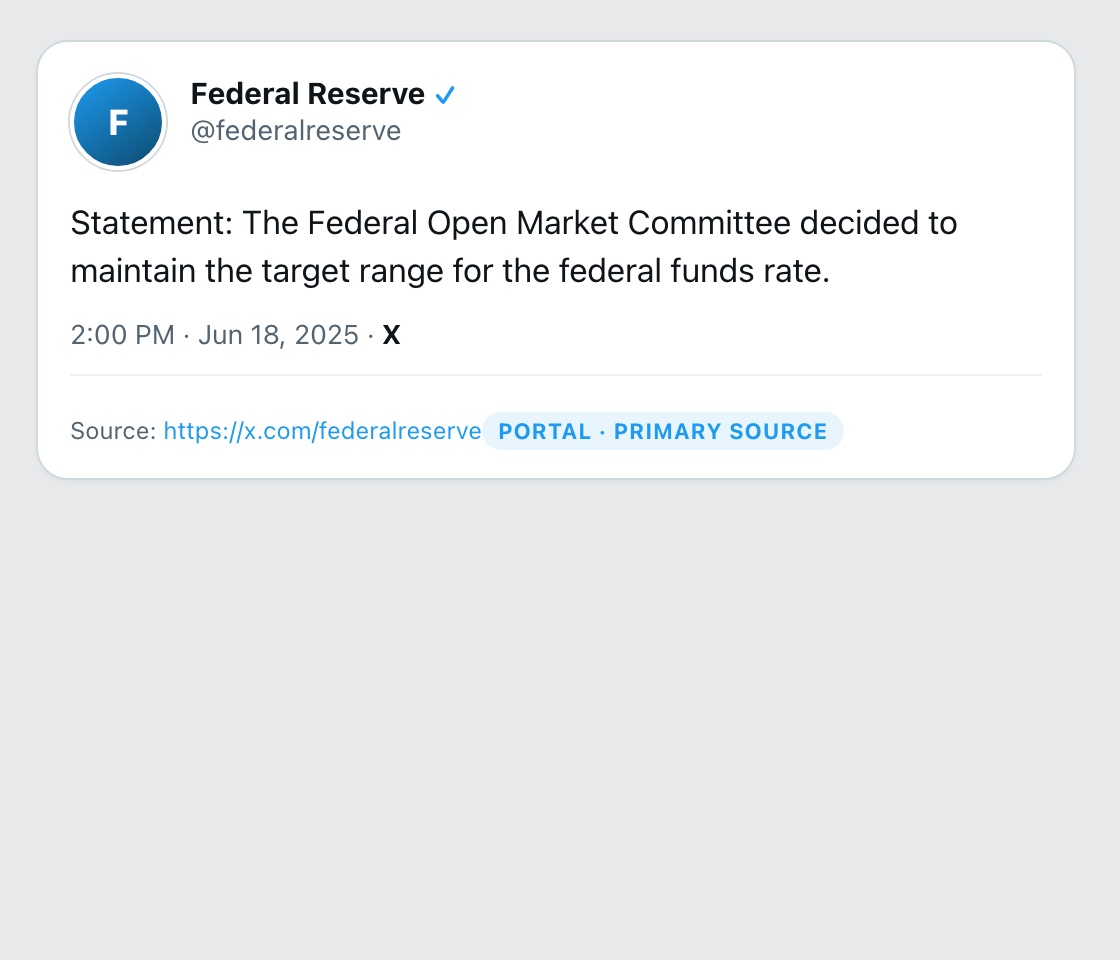
Finding Common Ground
To bridge the widening chasm between left and right, we must first acknowledge the inherent biases that each side brings to the table. This requires a commitment to not only seek out primary sources but also to engage with them critically and with an open mind. It means recognizing that no source is infallible and that understanding often requires grappling with complexity and nuance.
Encouragingly, some organizations are working to promote media literacy and critical thinking skills among students and the public. These initiatives aim to empower individuals to question the narratives they encounter, fostering a culture where it is acceptable to challenge one’s own beliefs and engage with opposing views. However, these efforts need to be amplified and supported by both sides of the political spectrum.
Conclusion
The challenge we face today is to read primary sources without the constraints of team jerseys. It is essential to approach all information - especially those that challenge our beliefs - with a spirit of inquiry rather than defensiveness. Only then can we hope to foster a more informed, engaged, and united citizenry capable of navigating the complexities of our time.
✦ ✦ ✦