From the file. Written for the paper dated November 2021. Opened in the public stacks July 14, 2026.
Public clinics are often hailed as a beacon of hope for those lacking access to healthcare, but a closer examination reveals a troubling pattern of neglect and inefficiency.
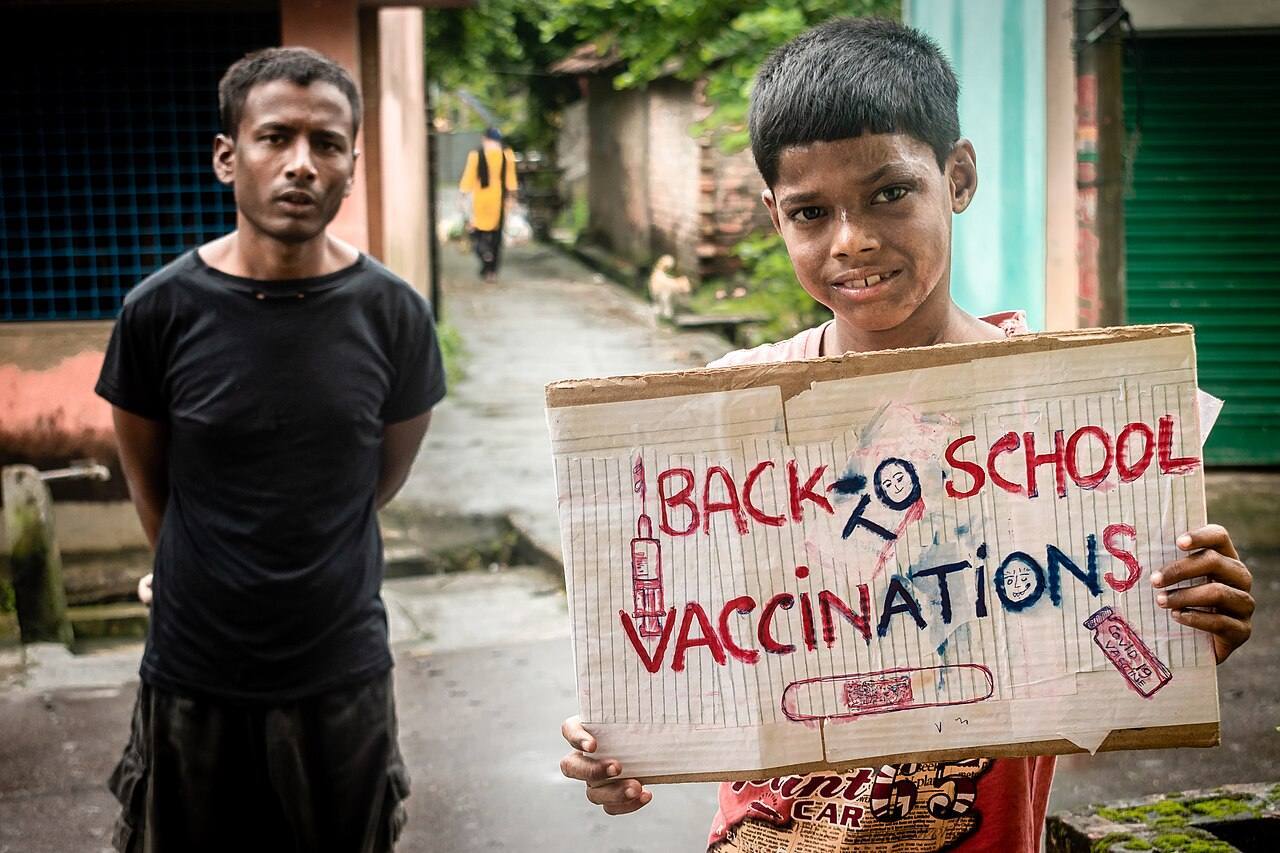
The Promise of Public Clinics
Public clinics were established with the noble intent of providing quality healthcare to underserved populations. They aim to bridge the gap between those who can afford healthcare and those who cannot, ensuring that everyone has access to essential services. However, as we delve deeper into the realities of these facilities, it becomes evident that the vision of equitable healthcare remains largely unfulfilled.

Quiet Failures in Oversight
One of the most pressing issues facing public clinics today is a significant lack of oversight. While the federal and state governments allocate funds for these facilities, the monitoring of their operations often falls short. In many cases, public clinics operate with minimal accountability, leading to a host of problems including inadequate staffing, poorly maintained facilities, and a lack of essential medical supplies.
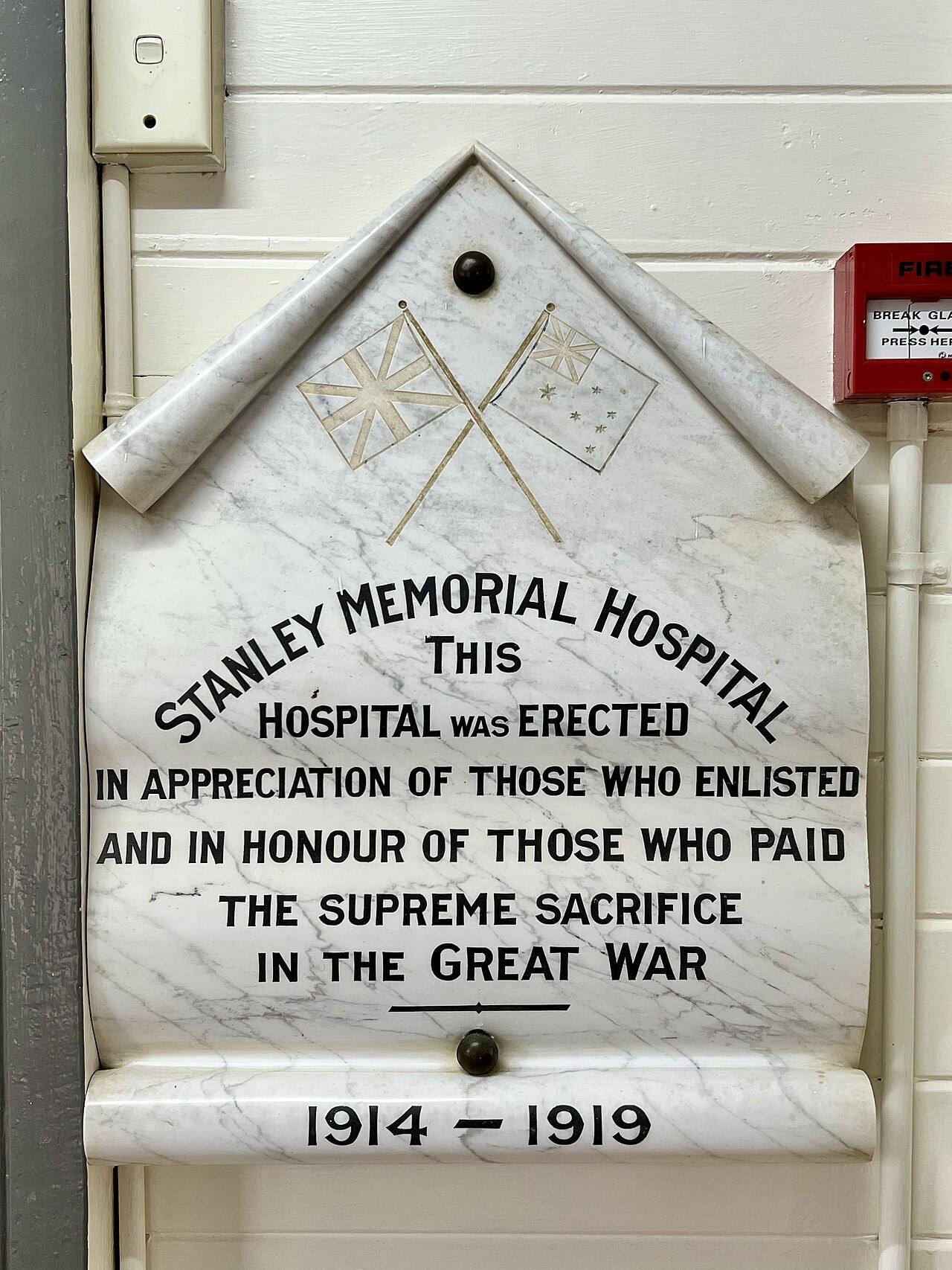
This oversight gap has dire consequences for patients who rely on these clinics for their health needs. Many clinics struggle to provide timely services, with patients often facing long wait times for appointments. In some cases, essential treatments are delayed or denied altogether, leaving vulnerable populations at risk.

Misallocation of Resources
Compounding the issue is the misallocation of resources. Funds intended for public health initiatives frequently get diverted to administrative costs or other non-essential expenditures. This leaves clinic staff overworked and under-resourced, forcing them to make difficult decisions about prioritizing care. The result is a patchwork of services that fails to meet the comprehensive needs of the communities they are intended to serve.
“Public clinics are supposed to be a safety net, but they often feel more like a trap.”
Political Polarization and Public Health
The political landscape further complicates the situation. On one side, leftist advocates argue for increased funding and expanded services, while right-leaning voices often call for privatization and reduced government involvement. This polarization hinders a unified approach to improving public clinics. Instead of working together to find common ground, both sides risk exacerbating the issues plaguing these facilities.

Progressives tend to focus on increasing funding without addressing the structural inefficiencies that plague many clinics. Conversely, conservatives often overlook the essential role that public clinics play in providing care to those who cannot afford it. This tug-of-war not only stalls meaningful reform but also perpetuates the cycle of neglect that has become all too familiar.
The Impact on Vulnerable Populations
The most affected by these failings are low-income families, the uninsured, and marginalized communities. These individuals often have no alternative but to rely on public clinics for their healthcare needs. The lack of access to timely and adequate treatment can lead to deteriorating health conditions and increased emergency care, ultimately straining the entire healthcare system.
Moreover, the ongoing COVID-19 pandemic has only amplified these issues. Public clinics have faced overwhelming demand, often without the necessary infrastructure to cope. Many have struggled to distribute vaccines effectively or even provide basic care amidst the chaos, further sidelining those who need help the most.
The Path Forward
For public clinics to fulfill their intended purpose, a comprehensive approach is necessary. This involves not only increasing funding but also implementing rigorous oversight mechanisms to ensure that resources are used effectively. Collaboration between left and right is essential to create a sustainable healthcare model that serves all Americans.
Engaging local communities in the decision-making process can also lead to more tailored services that meet specific needs. By focusing on accountability and community involvement, public clinics can evolve from being seen as a last resort to a vital component of a robust healthcare system.
Conclusion
The promise of public clinics is one that resonates with many, but the reality is far less inspiring. A combination of oversight failures, resource misallocation, and political polarization has left these facilities struggling to meet the needs of their communities. It is imperative for all stakeholders to come together and address these challenges head-on, to transform public clinics from a symbol of failure into a cornerstone of accessible healthcare.
✦ ✦ ✦