From the file. Written for the paper dated November 2021. Opened in the public stacks July 14, 2026.
In a political landscape increasingly dominated by special interests, the issue of lobbying disclosure has emerged as a litmus test for transparency - or rather, the lack thereof - in our government. Despite the calls for reform, the current state of lobbying oversight reveals a quiet failure that affects both sides of the political spectrum.
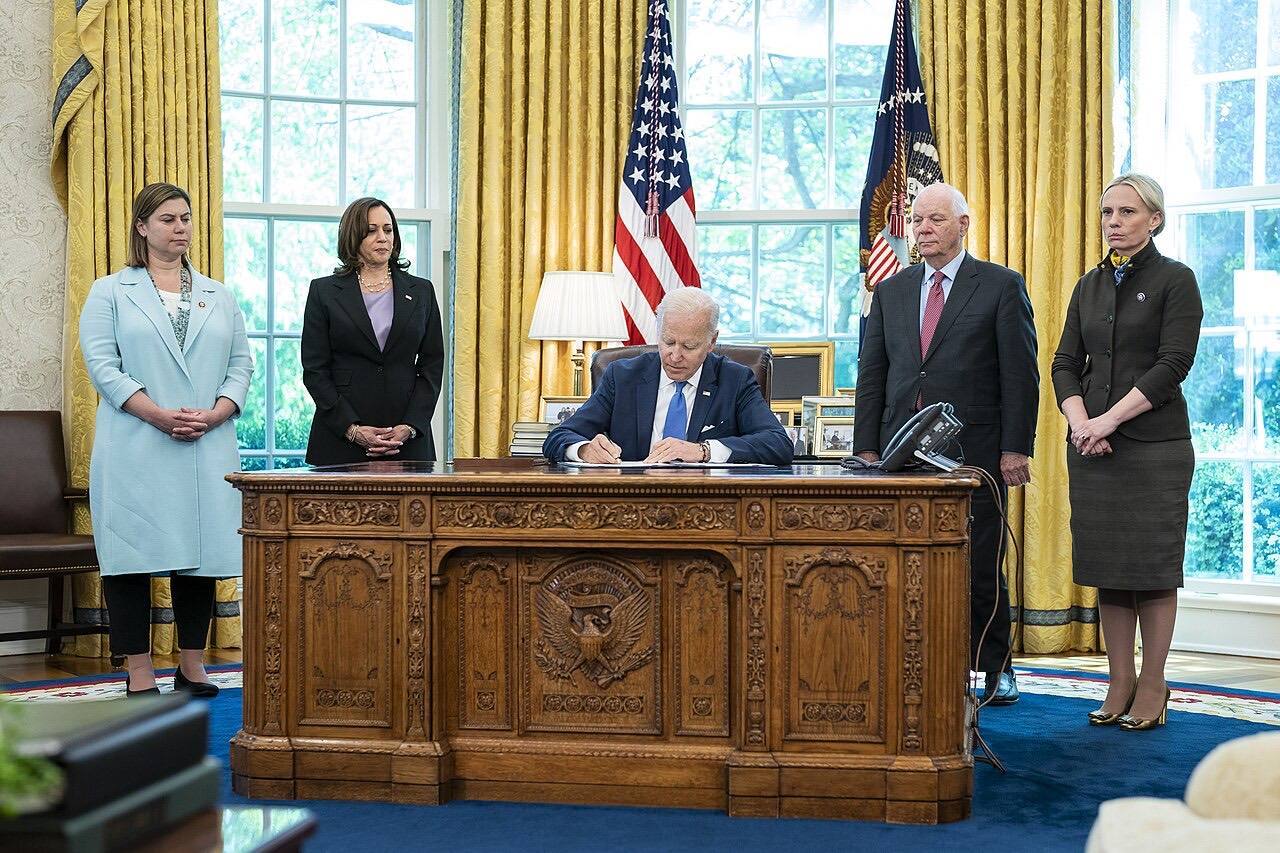
The Underbelly of Influence
In 2021, the influence of lobbyists in Washington, D.C., remains as pervasive as ever, with billions of dollars funneled into campaigns and initiatives that often prioritize corporate interests over the needs of the average citizen. While lobbying is a constitutionally protected form of free speech, the blurred lines between advocacy and undue influence raise questions about the integrity of our democratic processes.
Despite efforts from various advocacy groups to demand stronger regulations and greater transparency, the existing lobbying disclosure framework has proven inadequate. The House of Representatives recently passed a measure aimed at enhancing accountability, but the Senate remains stalled, caught in the crossfire of partisan bickering.
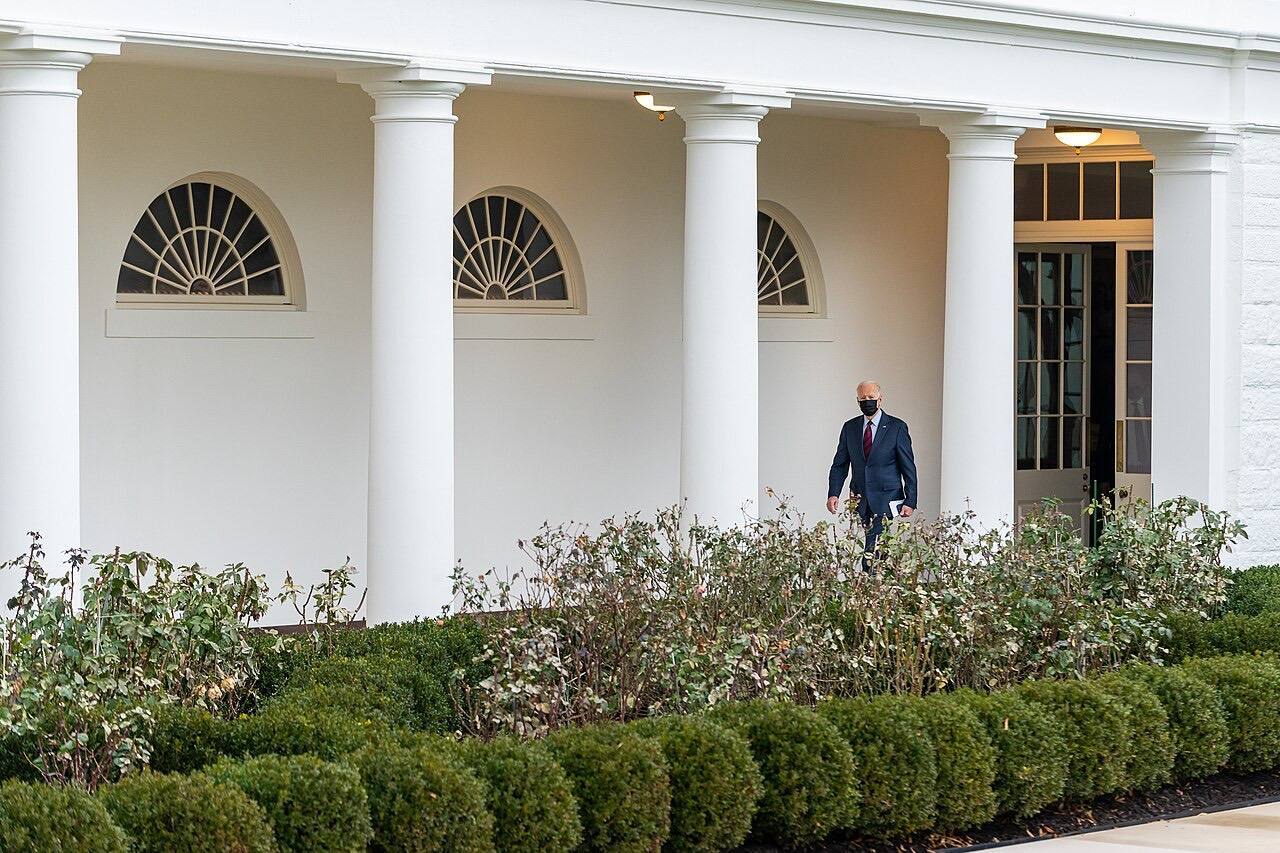
"The current lobbying disclosure framework has proven inadequate."
The lack of cohesive bipartisan support for comprehensive lobbying reform illustrates a broader issue: both parties seem more interested in maintaining the status quo than in genuinely addressing the concerns of their constituents. Democrats and Republicans alike often find themselves cozying up to lobbyists, only to later decry the very influence they have embraced.
Partisan Blindness
It is crucial to recognize the excesses on both sides of the aisle. The left has rallied around the narrative that corporate greed is the root cause of the lobbying quagmire, pushing for sweeping reforms that would limit the influence of money in politics. However, this approach often ignores the reality that not all lobbying is inherently negative. Many grassroots organizations rely on lobbying to amplify their voices in a system that tends to favor well-funded interests.
On the other hand, the right often champions deregulation as a pathway to economic growth. While the argument for reducing red tape has merit in some respects, a laissez-faire attitude towards lobbying can lead to unchecked corporate power that undermines democratic principles. The failure to address these concerns reveals a troubling complacency among those who should be vigilant stewards of the public interest.
"A laissez-faire attitude towards lobbying can lead to unchecked corporate power."
The Call for Action
As citizens grow increasingly disillusioned with the political process, the urgency for effective lobbying disclosure becomes paramount. Advocacy groups and watchdog organizations have long pushed for reforms such as real-time reporting of lobbying activities, stricter penalties for noncompliance, and greater transparency regarding the financial backers of lobbying efforts.
Without these reforms, the public will continue to be left in the dark about who is influencing the policies that govern their lives. The current system permits lobbyists to operate with a level of secrecy that is unconscionable in a democracy. As a result, many citizens feel alienated from a political system that seems rigged against them.
Moving Forward
As we approach the next election cycle, both parties must take a hard look at their relationship with lobbyists. Rhetoric about reform is not enough; action is required. The American public deserves a government that operates transparently and is accountable to its citizens - not one that is beholden to corporate interests.
In this moment of heightened political polarization, the need for a bipartisan solution to lobbying reform has never been more critical. By working together, lawmakers can restore faith in the democratic process and ensure that lobbying serves the greater good, rather than the narrow interests of a few.
✦ ✦ ✦