From the file. Written for the paper dated November 2021. Opened in the public stacks July 14, 2026.
As Congress grapples with the complexities of national security and intelligence, it is crucial to address the silent failures of oversight that continue to plague our intelligence community.
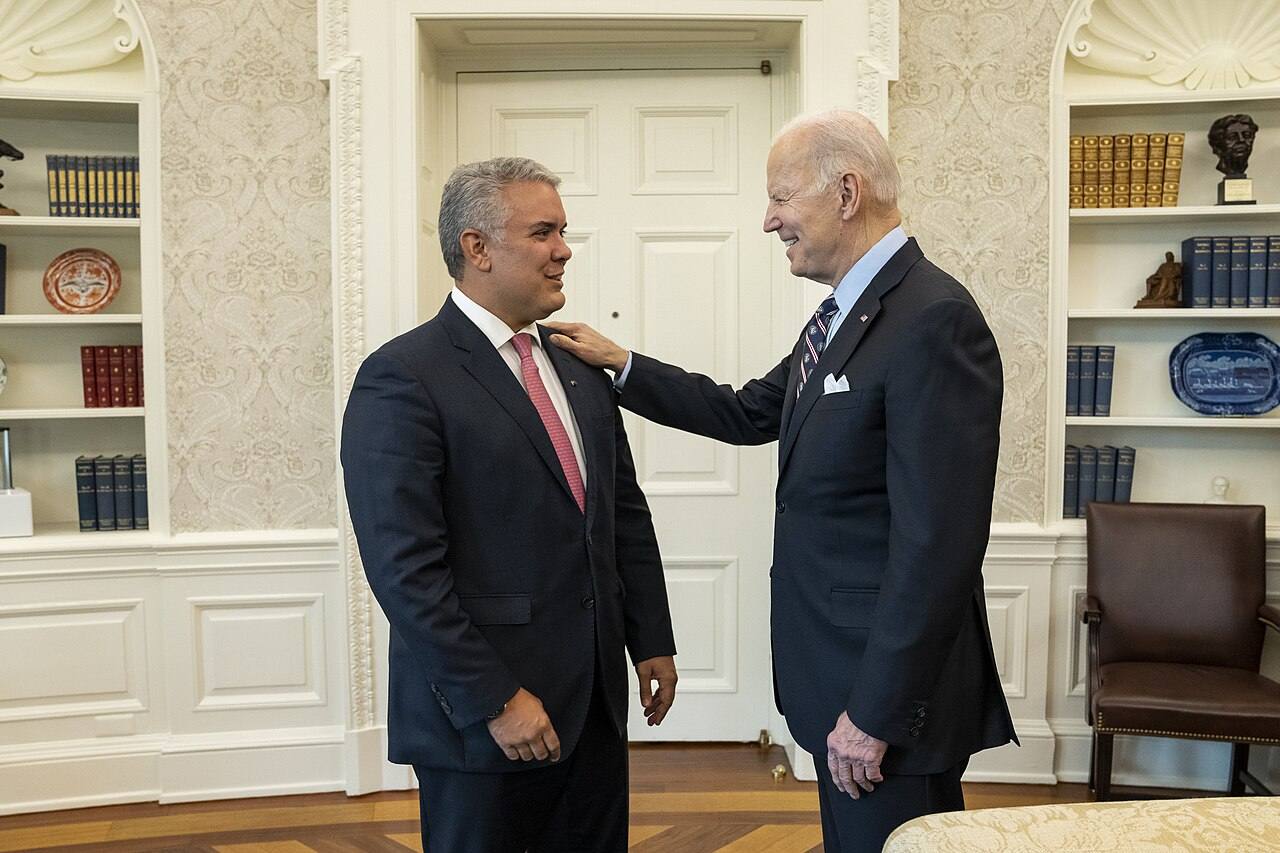
The Intelligence Estimate: A Double-Edged Sword
The recent intelligence estimate, which has become a topic of heated debate, exposes a troubling dichotomy within the American political landscape. On one side, we have the left advocating for transparency and accountability, while on the other, the right takes a more hawkish stance, often prioritizing national security over civil liberties. This polarization has led to an environment where the essence of oversight has been diluted, raising questions about the effectiveness of our intelligence operations.

At the core of the issue is the intelligence estimate itself - a document designed to provide a comprehensive overview of threats facing the nation. However, the very nature of this report often becomes a battleground for political agendas, leading to the misrepresentation of facts and scenarios. As both sides of the aisle vie for dominance, the true purpose of the intelligence estimate is lost amidst partisan rhetoric.
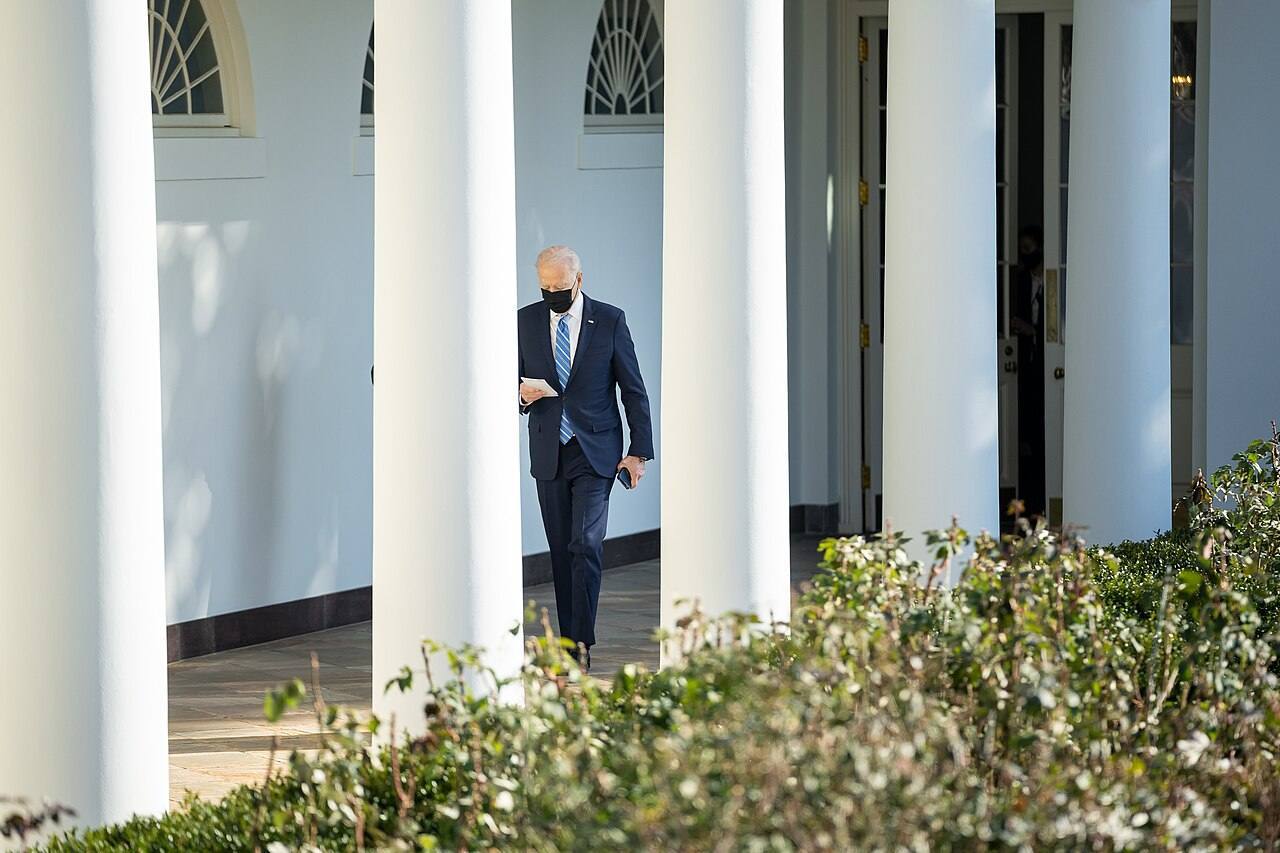
"The essence of oversight has been diluted, raising questions about the effectiveness of our intelligence operations."
Failing to Hold the Line
In recent months, we have seen a rise in calls for reform within the intelligence community. Advocates for reform argue that the current structure is inadequate for the threats we face today. Yet, while the left pushes for more oversight, they often neglect the importance of operational integrity. Conversely, the right, while stressing the need for vigilance, tends to overlook the necessity of accountability. This creates a paradox where neither side fully embraces the middle ground that is essential for a functional oversight mechanism.

The implications of this failure extend beyond just the walls of Congress. Within the intelligence community, there is a palpable concern that political pressures are influencing the analysis and reporting of threats. Analysts may feel compelled to tailor their assessments to align with the prevailing political winds, rather than presenting an objective view of the realities on the ground. This compromises the integrity of our national security apparatus.
A Call for True Bipartisanship
To navigate these choppy waters, there must be a concerted effort toward true bipartisanship. This means acknowledging that both oversight and national security are paramount. The left must recognize that while questioning the motives and actions of intelligence agencies is essential, it should not come at the cost of undermining their effectiveness. Conversely, the right must understand that national security should not be a blanket excuse for bypassing necessary checks and balances.
Moreover, as we assess the effectiveness of our intelligence estimates, we must consider the role of public discourse. The media plays a significant part in shaping perceptions of intelligence assessments, often sensationalizing the information presented. This can lead to a misinformed public, which in turn pressures lawmakers to respond based on fear rather than fact.
"Public discourse shapes perceptions of intelligence assessments, often sensationalizing information presented."
Restoring Integrity in Intelligence
To restore integrity in our intelligence estimates, we must establish clear channels for accountability that are insulated from political whims. This requires a commitment from both parties to prioritize the safety and security of the nation over partisan victories. Additionally, fostering a culture of transparency within the intelligence community can help rebuild trust, not only with lawmakers but with the American public as well.
As we move forward, it is essential to remember that the stakes are high. The consequences of a failure in oversight can be dire, leading to miscalculations that jeopardize national security. By finding common ground, the left and right can work together to ensure that our intelligence estimates serve their intended purpose: to protect the American people through informed, unbiased assessments.
Conclusion
In the end, the intelligence estimate should be a tool for understanding and addressing threats, not a weapon wielded in the political arena. It is time for lawmakers to put aside their team jerseys and focus on the shared responsibility of safeguarding our nation. Only through cooperation and a commitment to objective analysis can we hope to navigate the complexities of the modern security landscape.
✦ ✦ ✦