From the file. Written for the paper dated October 2021. Opened in the public stacks July 14, 2026.
A recent telescope image has sparked diverse reactions across the political spectrum, highlighting the ongoing tension between scientific inquiry and ideological interpretations of data.
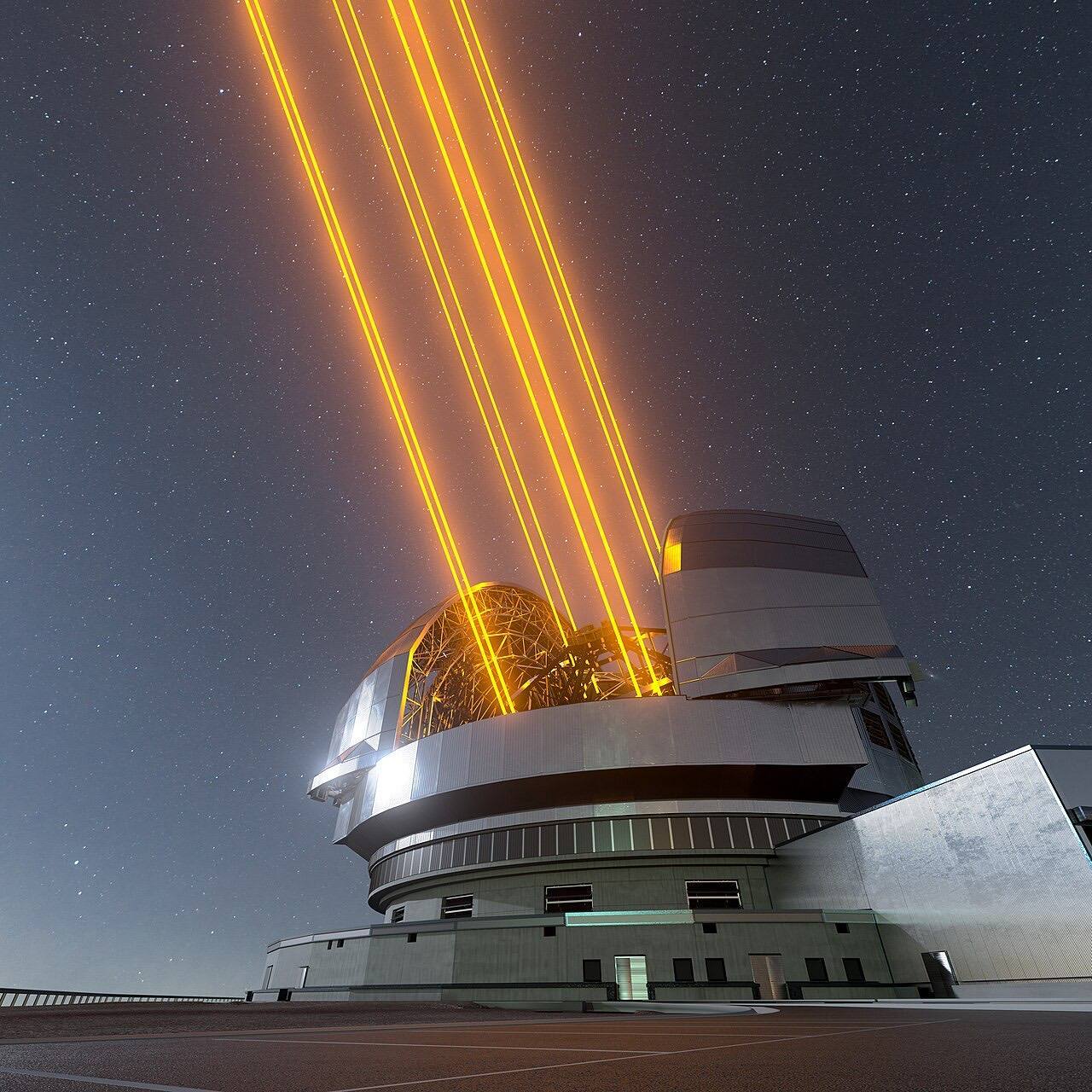
The Image That Captured Attention
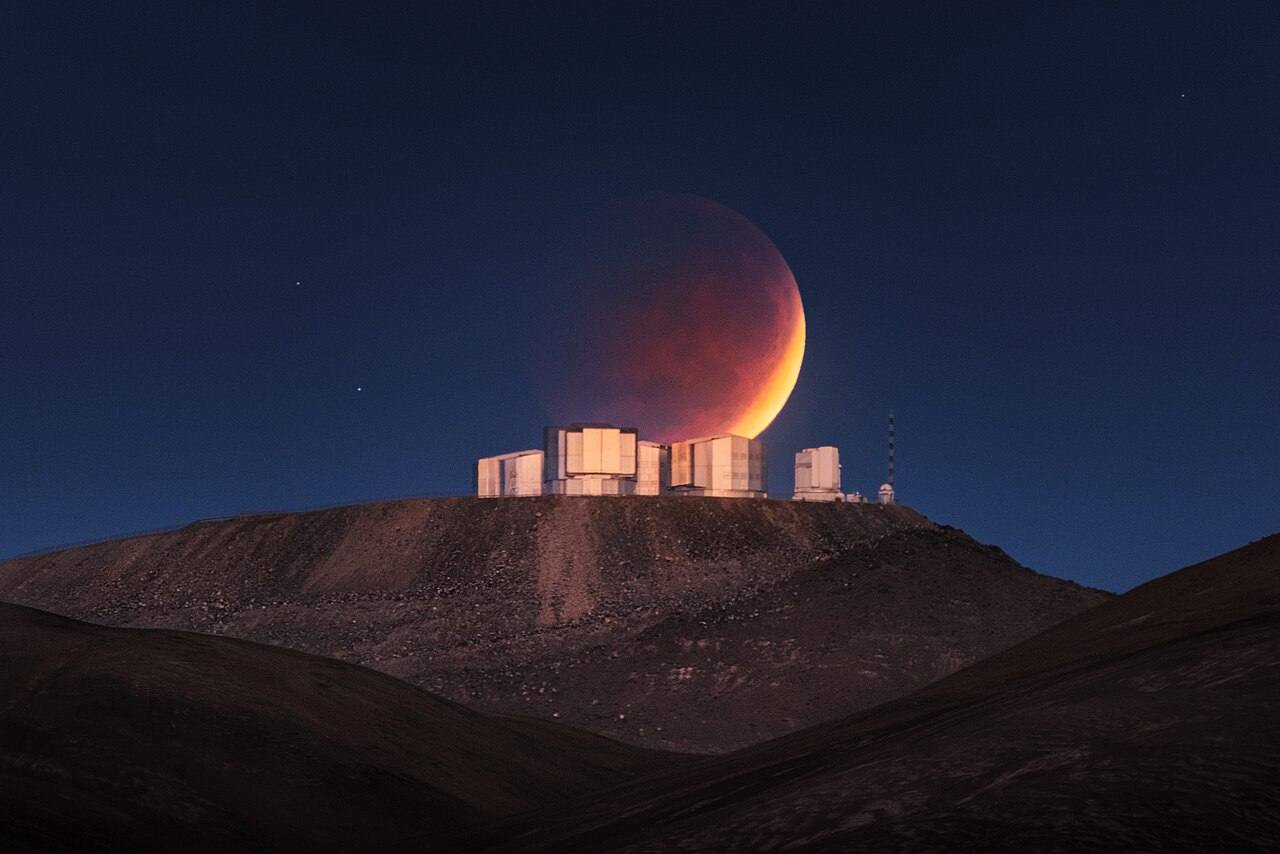
Last week, astronomers released a stunning new image captured by one of the world’s most advanced telescopes. This image, depicting a distant galaxy in breathtaking detail, represents not just a scientific achievement but also a moment of reflection for society as a whole. The image provides a glimpse into the vastness of the universe, showcasing both the beauty and complexity of astronomical phenomena. However, as is often the case, it has also become a focal point for polarization among various political and ideological groups.
The Left’s Enthusiasm and Its Pitfalls
On one side, many on the left have seized upon this image as evidence of the importance of investing in scientific research and combating climate change. They argue that understanding the universe can lead to greater appreciation for our own planet and its vulnerabilities. A vocal segment has connected the awe inspired by the cosmos to calls for action on environmental issues, suggesting that if we can grasp the enormity of the universe, we must also acknowledge our responsibility to protect our home.
This enthusiasm, while commendable, risks oversimplifying the complex relationship between science and social issues. The left’s eagerness to draw connections between the cosmic and the terrestrial may inadvertently downplay the rigorous scientific processes that underpin astronomical discoveries. It is essential to appreciate the image for its scientific merit rather than solely as a tool for political advocacy.
The Right’s Skepticism and Its Shortcomings
Conversely, those on the right have approached the image with skepticism and, in some cases, outright dismissal. A faction has questioned the reliability of the science behind such images, arguing that they may be manipulated or misinterpreted to fit a narrative. This group often frames such discussions within a broader critique of scientific institutions, suggesting that they are influenced by political agendas rather than pure inquiry.
While skepticism can be a healthy component of scientific discourse, the right’s position often veers into a territory that undermines the value of empirical evidence. By dismissing the findings of reputable scientists, this faction risks promoting a culture of anti-intellectualism that could have lasting repercussions for scientific literacy and public understanding of science.
Finding the Middle Ground
As we navigate these polarized interpretations, it becomes evident that a middle ground is not only necessary but also beneficial for fostering a more nuanced understanding of science. The image from the telescope should encourage dialogue rather than division. It presents an opportunity for individuals across the political spectrum to come together and engage in discussions about the significance of scientific advancements.
One way to achieve this middle ground is through education. Science education should emphasize critical thinking and the scientific method, allowing individuals to appreciate both the beauty of discoveries and the rigor involved in obtaining them. Encouraging public forums where scientists can explain their findings in accessible terms can bridge the gap between scientific communities and the public.
“The universe is vast and complex, and so too is the interpretation of its wonders.”
The Role of Media in Scientific Communication
Media plays a crucial role in shaping public perception of scientific discoveries. The sensationalism often seen in headlines can distort the realities of scientific findings, leading to misinterpretations. It is imperative for journalists to strike a balance between captivating storytelling and factual reporting. This week’s telescope image should be presented not just as a marvel but as a point of inquiry, prompting readers to explore the science behind it and engage with the community of scientists who study these celestial phenomena.
The Future of Scientific Discourse
As we reflect on this telescope image, we must recognize that science transcends political divides. It is a collaborative endeavor that seeks to expand our understanding of the universe. The challenge lies in fostering an environment where people feel comfortable asking questions and seeking answers without the fear of being labeled based on their political affiliations.
In the coming weeks, discussions surrounding this image should not be limited to partisan debates but should instead focus on broader implications for society at large. The telescope image serves as a reminder that our quest for knowledge is collective, and it is through collaboration and open dialogue that we can make the most of scientific advancements.
✦ ✦ ✦