From the file. Written for the paper dated October 2021. Opened in the public stacks July 14, 2026.
As scientists continue to monitor the powerful solar storm activity affecting Earth this week, the response from both sides of the political spectrum reveals an alarming trend: the tendency to either exaggerate the threat or dismiss it entirely.
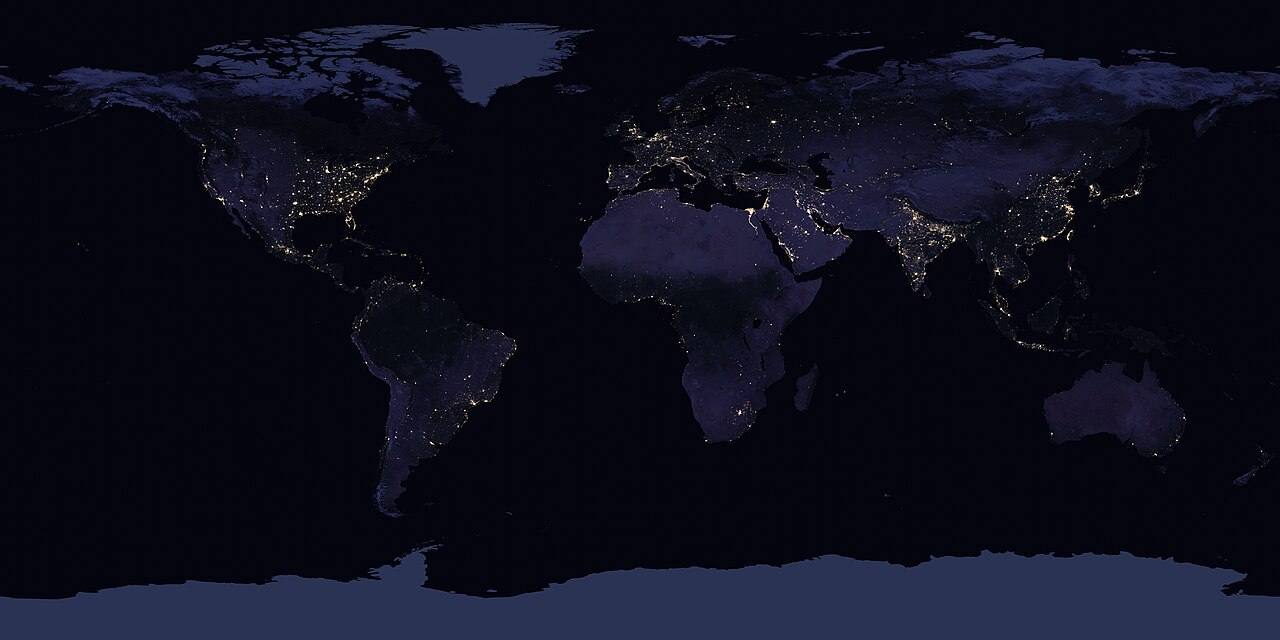
The Science Behind Solar Storms
Solar storms, often referred to as coronal mass ejections (CMEs), occur when the sun releases large bursts of solar wind and magnetic fields. These events can lead to spectacular auroras in the polar regions, but they also pose risks to modern technology, including satellites and power grids. This week's storm, classified as moderately strong, has already caused disruptions in high-frequency radio communications and has the potential to affect GPS accuracy.
For scientists, the challenge lies in conveying the seriousness of these events without inciting panic. The National Oceanic and Atmospheric Administration (NOAA) has issued warnings, advising precautionary measures for industries reliant on satellite technology. However, the narrative has diverged sharply along political lines.
Left vs. Right: Polarized Perspectives
On the left, there is a tendency to amplify the potential dangers of solar storms as another example of how climate change and natural disasters could exacerbate technological vulnerabilities. This framing is often accompanied by calls for greater investment in renewable energy sources, with the argument that a dependency on fossil fuels leaves us more susceptible to these natural phenomena. While environmental concerns are valid, overemphasis can lead to fearmongering, detracting from the scientific understanding of solar storms and their manageable risks.
Conversely, the right often brushes aside concerns about solar storms, viewing them as just another distraction from more pressing issues like economic recovery or immigration. There is a dismissive attitude that undermines the scientific community's warnings, as some claim that such events have been happening for centuries without catastrophic consequences. This perspective can lead to a dangerous complacency, where the importance of preparedness and infrastructure resilience is overlooked.
Finding Common Ground
In this polarized environment, it's crucial to strike a balance. Scientists emphasize that while solar storms can impact technology, they are not apocalyptic in nature. The historical record shows that while some storms have caused significant disruptions, particularly the Carrington Event of 1859, many others have passed with minimal impact.
Both sides of the political aisle would benefit from a more nuanced understanding of the risks associated with solar storms. Left-leaning advocates should focus on promoting preparedness and resilience without resorting to alarmism, while right-leaning skeptics should acknowledge the potential for disruption and support measures that enhance our infrastructure against such events.
"A rational approach to solar storm risks involves understanding the science and preparing accordingly, rather than succumbing to fear or denial."
Technological Preparedness
As we navigate these complex narratives, it's essential to consider what steps can be taken to mitigate the impact of solar storms on technology. The federal government, alongside private sector partners, must prioritize investments in infrastructure that can withstand solar storms. This includes hardening power grids and ensuring that satellites are equipped with protective technology to reduce damage from solar radiation.
Moreover, fostering public awareness about solar storms and their effects can help dispel misinformation and encourage proactive measures. Education campaigns that focus on the science of solar storms, rather than sensationalized threats, can empower citizens to understand the risks and prepare accordingly.
A Call for Unity in Science
The scientific community stands ready to provide the necessary expertise and guidance on solar storms, but this information must be received by a public that is not divided by political ideologies. Scientists have repeatedly called for collaboration between government and private sectors to enhance our preparedness for space weather events.
As we move forward, it's vital for both sides of the political spectrum to engage in constructive dialogue. By recognizing the legitimate concerns raised by both sides, we can foster a more informed and united approach to addressing the challenges posed by solar storms.
✦ ✦ ✦