From the file. Written for the paper dated October 2021. Opened in the public stacks July 14, 2026.
In a time where the news cycle spins faster than ever, the value of primary sources remains paramount. Yet, as we navigate the political landscape of October 2021, it becomes increasingly clear that both the left and the right are guilty of distorting these sources to fit their narratives.

The Art of Selective Reading
Primary sources, ranging from government documents to firsthand accounts, serve as the foundation upon which we build our understanding of events. However, the current political climate encourages a selective interpretation of these materials. On the left, we see a tendency to emphasize certain facts while downplaying others, often painting a picture that aligns with progressive ideals. Conversely, the right often cherry-picks data to bolster claims that reinforce their worldview. This selective reading undermines the integrity of public discourse and leaves citizens confused about the truth.

“In the quest for truth, we must not forget that context is key.”
Take, for example, the ongoing debates around government spending and fiscal responsibility. Left-leaning commentators often highlight statistics that indicate increased funding for social programs as a necessary investment in the future. They argue that these expenditures yield long-term benefits that will ultimately reduce costs in other areas. On the other hand, right-leaning commentators focus on the sheer numbers of spending without adequately addressing the context or potential benefits. Both sides risk alienating those who seek a balanced understanding of complex issues.

Echo Chambers and the Erosion of Nuance
As the political divide widens, echo chambers have become the norm. This phenomenon not only affects how primary sources are consumed but also how they are interpreted. The left often portrays itself as the champion of marginalized voices, yet it can sometimes silence dissenting opinions within its ranks. Meanwhile, the right tends to foster a narrative that demonizes opposing views, painting them as outright threats to the fabric of society.
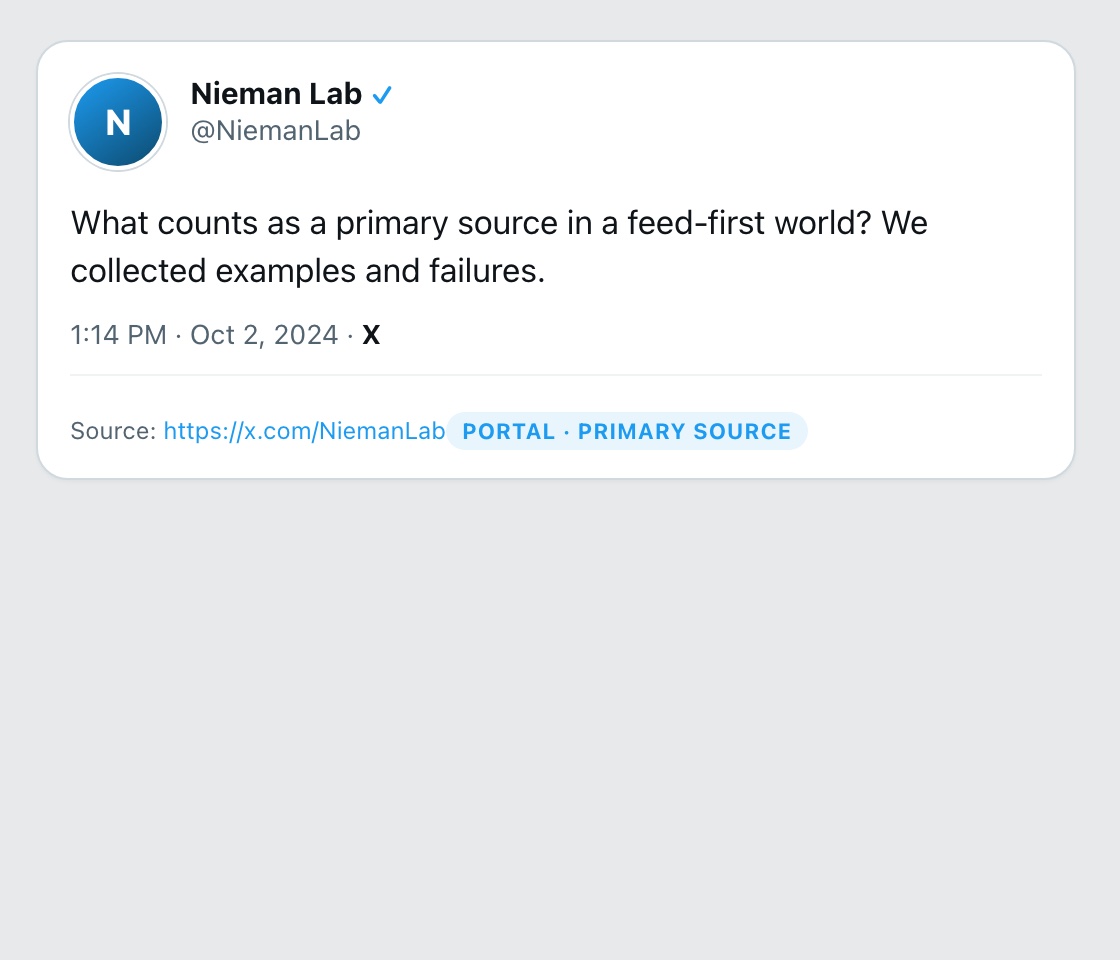
In both cases, the middle ground is often overlooked. The complexities of an issue are reduced to sound bites and slogans that serve political agendas rather than the pursuit of truth. For instance, in discussions surrounding climate change, the urgency of action is often presented in alarmist tones, while critics of climate policies are dismissed as uninformed or malicious. This lack of engagement with opposing views stifles critical discourse and hampers our ability to reach consensus.
Finding Common Ground
So how do we navigate this tumultuous landscape? The answer lies in a commitment to engage with primary sources critically and thoughtfully. It requires us to step outside our ideological bubbles and confront the uncomfortable truths that may not align with our preconceived notions. By doing so, we can foster a culture of understanding that transcends partisan divides.

For example, when examining healthcare policies, it is vital to consider both the successes and failures of various systems. Acknowledging the limitations of any approach allows for a more nuanced discussion that can lead to better solutions. Instead of resorting to partisan rhetoric, we should focus on what the data tells us and how it can inform our policies moving forward.
The Role of Journalism
Journalism plays a crucial role in this process. Reporters and editors must strive to present information in an unbiased manner, offering context and analysis that respects the complexity of issues. It is imperative that news outlets resist the temptation to cater to their audience's biases, as this only perpetuates the cycle of misinformation and division.
Moreover, a commitment to transparency in sourcing and methodology can help rebuild trust in journalism. When audiences understand how information is gathered and presented, they are more likely to engage with it critically rather than dismiss it outright.
Conclusion
In an era of political polarization, the importance of reading primary sources cannot be overstated. By approaching these materials with a critical eye and a willingness to engage with opposing viewpoints, we can foster a more informed and empathetic society. The path forward lies not in the extremes, but in the middle ground where understanding and collaboration flourish.
✦ ✦ ✦