From the file. Written for the paper dated October 2021. Opened in the public stacks July 14, 2026.
As October rolls on, the discourse surrounding lobbying disclosure intensifies, revealing the complexities of a system that many argue is failing to uphold transparency while others champion as a necessary component of democracy.
Understanding the Landscape
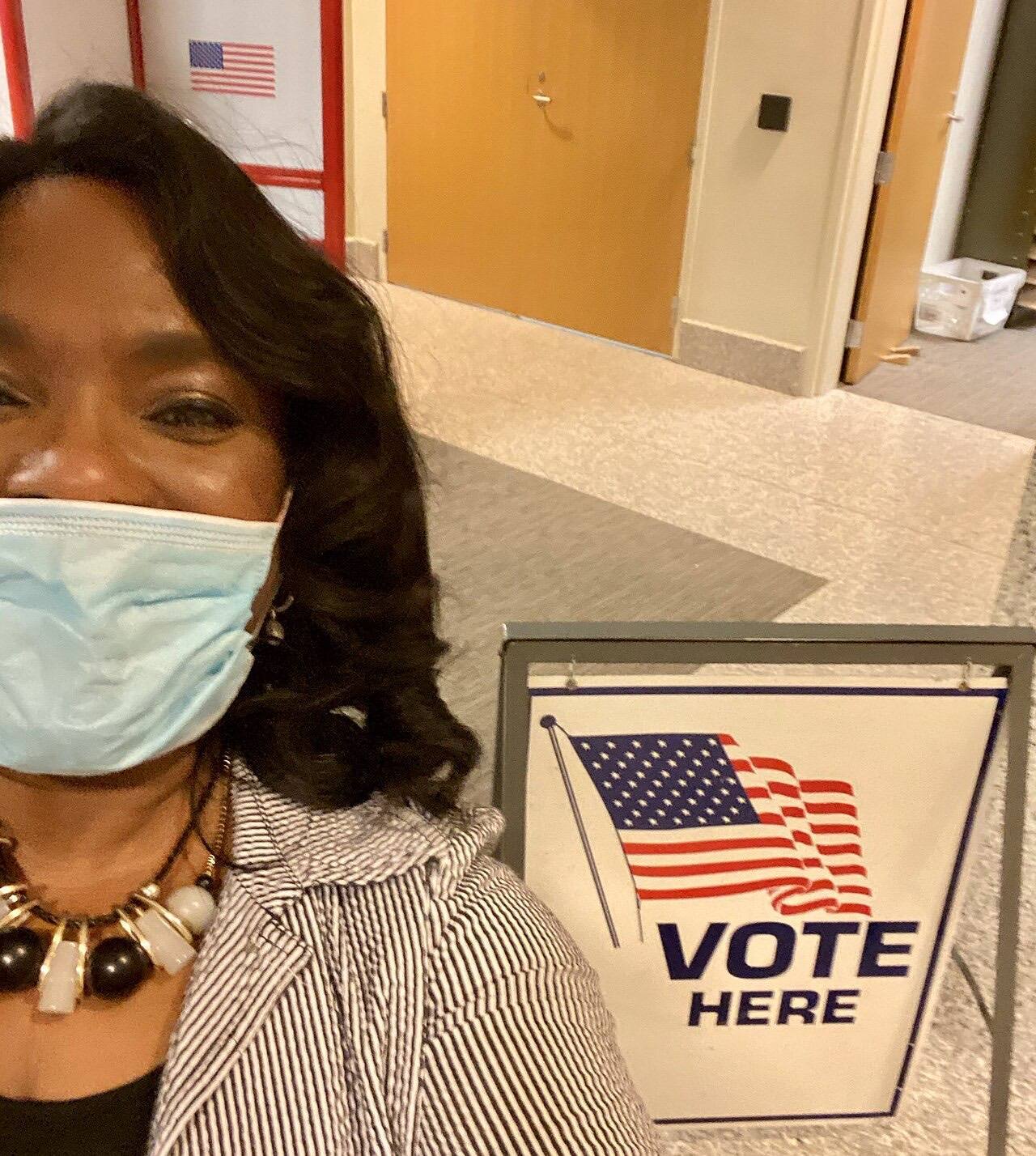
Lobbying has become a hot-button issue, with both sides of the political aisle employing rhetoric that often obscures the nuances involved. On one hand, progressives decry the influence of big money in politics, arguing that corporate interests overshadow the voices of average citizens. On the other, conservatives assert that lobbying is a fundamental right, a way for all groups - even the smaller, grassroots ones - to have their voices heard in the halls of power.
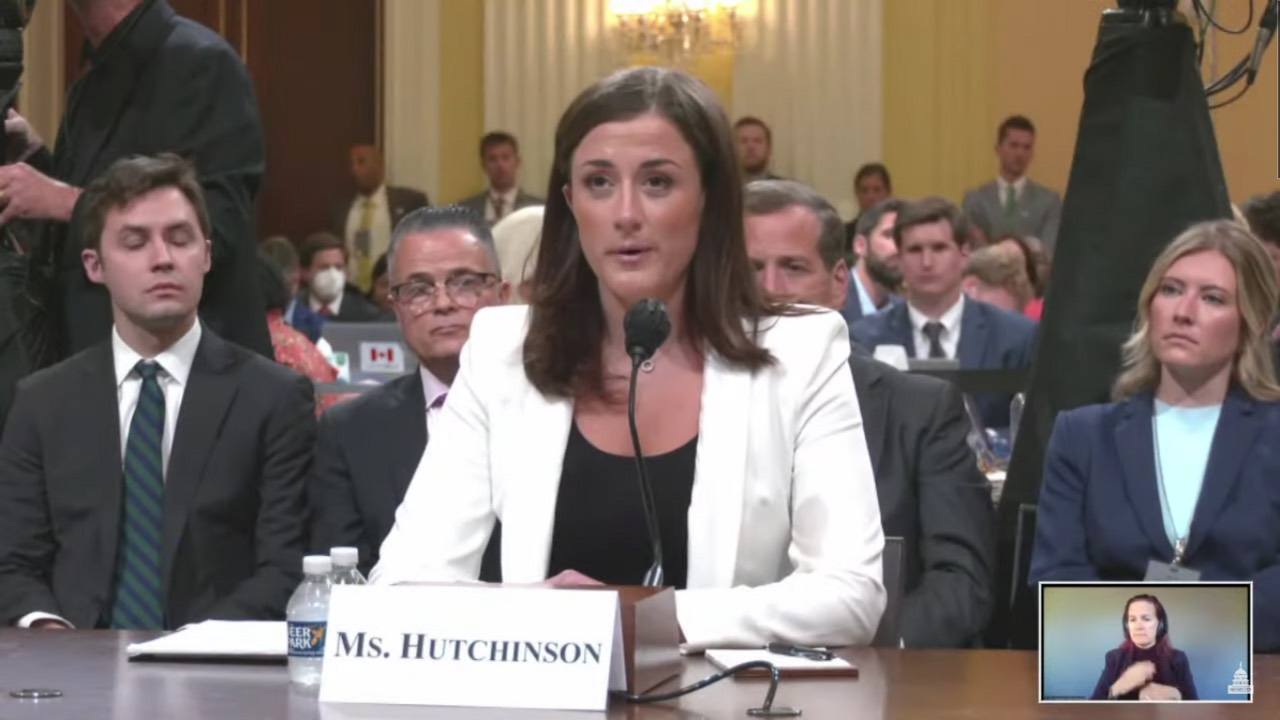
As lawmakers grapple with ongoing discussions about infrastructure, healthcare, and climate change, the role of lobbyists has come under increased scrutiny. The question remains: how can we ensure that lobbying serves the public interest without being clouded by excessive influence from wealthy corporations?
"Lobbying is the lifeblood of democracy, but it needs to be transparent and accountable." - Anonymous Source
The Left's Concerns
Progressives have rallied around the push for stricter lobbying disclosure laws, advocating for measures that would illuminate the relationships between lobbyists and lawmakers. They argue that current regulations allow too much leeway for entities to operate in the shadows, fostering a culture of corruption and favoritism. Calls for a comprehensive overhaul of the lobbying system are echoed in grassroots movements across the country, with advocates pushing for a more equitable political landscape.
However, some critics on the left suggest that the focus on corporate lobbying oversimplifies the issue. They point out that many non-profits and advocacy groups also engage in lobbying efforts, and that not all lobbying is inherently negative. The challenge lies in distinguishing between harmful corporate influence and the legitimate representation of various interests in the legislative process.
The Right's Defense
Conversely, conservatives argue that the ability to lobby is an essential component of free speech and political engagement. They contend that the marketplace of ideas should be open to all, including those with substantial financial resources. The right champions the notion that limiting lobbying would inadvertently suppress the voices of those who can afford to invest in advocacy, thereby undermining democratic principles.

Yet, this perspective can occasionally lead to a dismissive attitude toward the legitimate concerns regarding the disproportionate influence of money in politics. While it is vital to preserve the rights of individuals and organizations to lobby, failing to acknowledge the potential for corruption can be detrimental to public trust in government.
The Middle Ground
In the current climate, finding a middle ground on the issue of lobbying disclosure seems increasingly elusive. Many citizens express frustration with both extremes, feeling that the debate often devolves into partisan posturing rather than constructive dialogue. A realistic approach would involve recognizing the need for reform while also acknowledging the role that lobbying plays in a functioning democracy.
One potential compromise could involve implementing clearer, more comprehensive disclosure requirements that apply to all lobbying entities, regardless of their size or financial backing. This would ensure that the public has access to information about who is influencing their representatives, fostering accountability without stifling legitimate advocacy efforts.
The Path Forward
As we move deeper into October and the debates surrounding the upcoming legislative sessions heat up, the conversation around lobbying disclosure must evolve. Both sides of the political spectrum have valid points that, if combined, could lead to more robust and transparent lobbying practices.
Ultimately, the goal should be to create an environment where all voices can be heard - without allowing the loudest voices to drown out the rest. Striking this balance is no small feat, but it is essential for the health of our democracy.
✦ ✦ ✦