From the file. Written for the paper dated October 2021. Opened in the public stacks July 14, 2026.
As we navigate the complex socio-political landscape of October 2021, a closer examination of the latest intelligence estimates reveals a troubling dichotomy between left and right ideologies, both of which appear to be straying further from pragmatism.
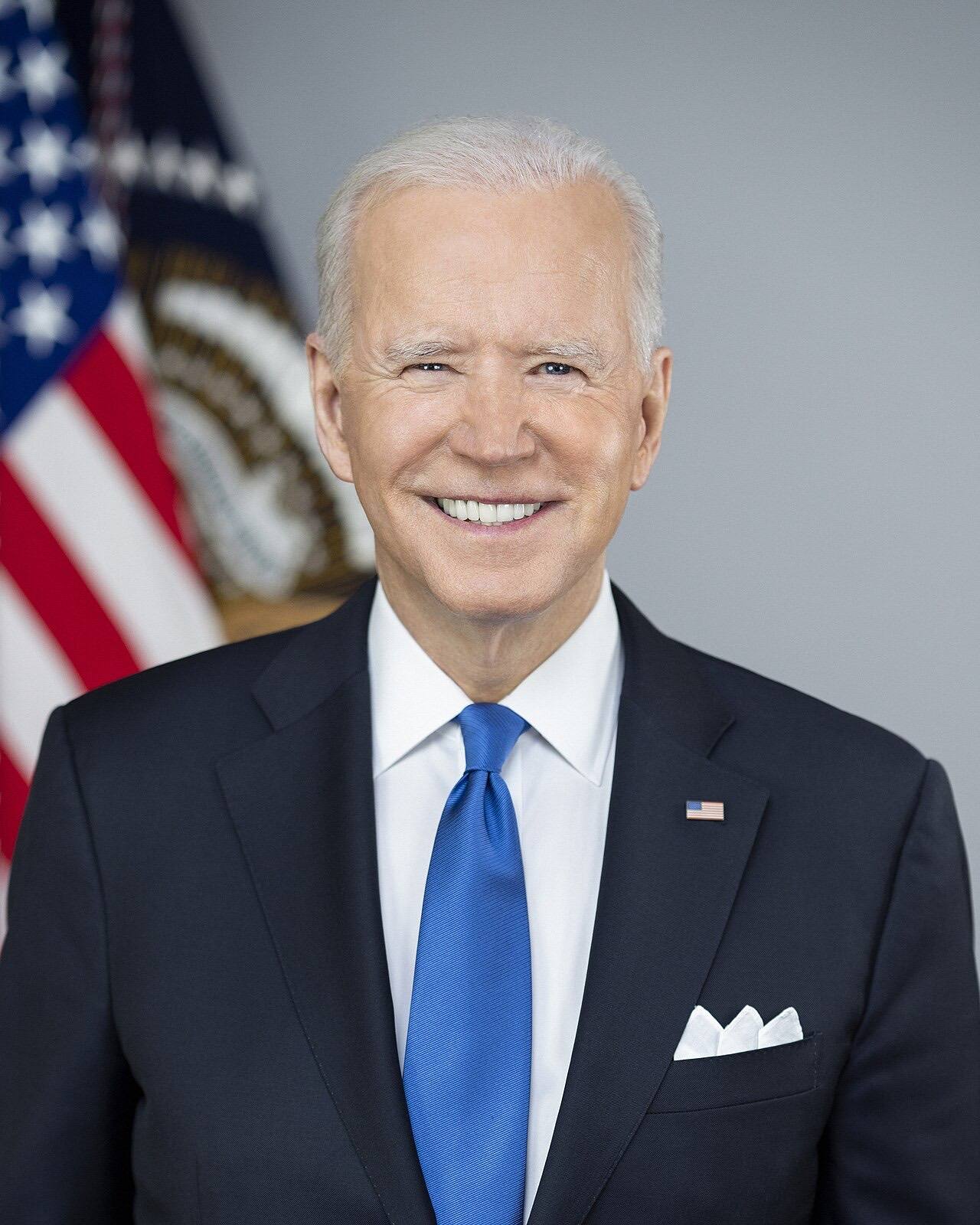
Understanding the Intelligence Estimates
The intelligence estimates released this week have stirred a mix of reactions across the political spectrum. While the left emphasizes the need for stronger governmental intervention to address pressing issues, the right warns against what they perceive as an overreach of authority. Both sides, however, seem to overlook the middle ground that might provide a more balanced approach to governance.
According to the intelligence estimates, key areas of concern include economic stability, public health, and national security. The data suggests that while the country is recovering from the pandemic-induced recession, there are significant disparities that need addressing. The left advocates for expansive social programs, arguing that these are essential for equitable recovery. Conversely, the right argues for fiscal restraint and a reduction in government spending, fearing that too much intervention will stifle economic growth.
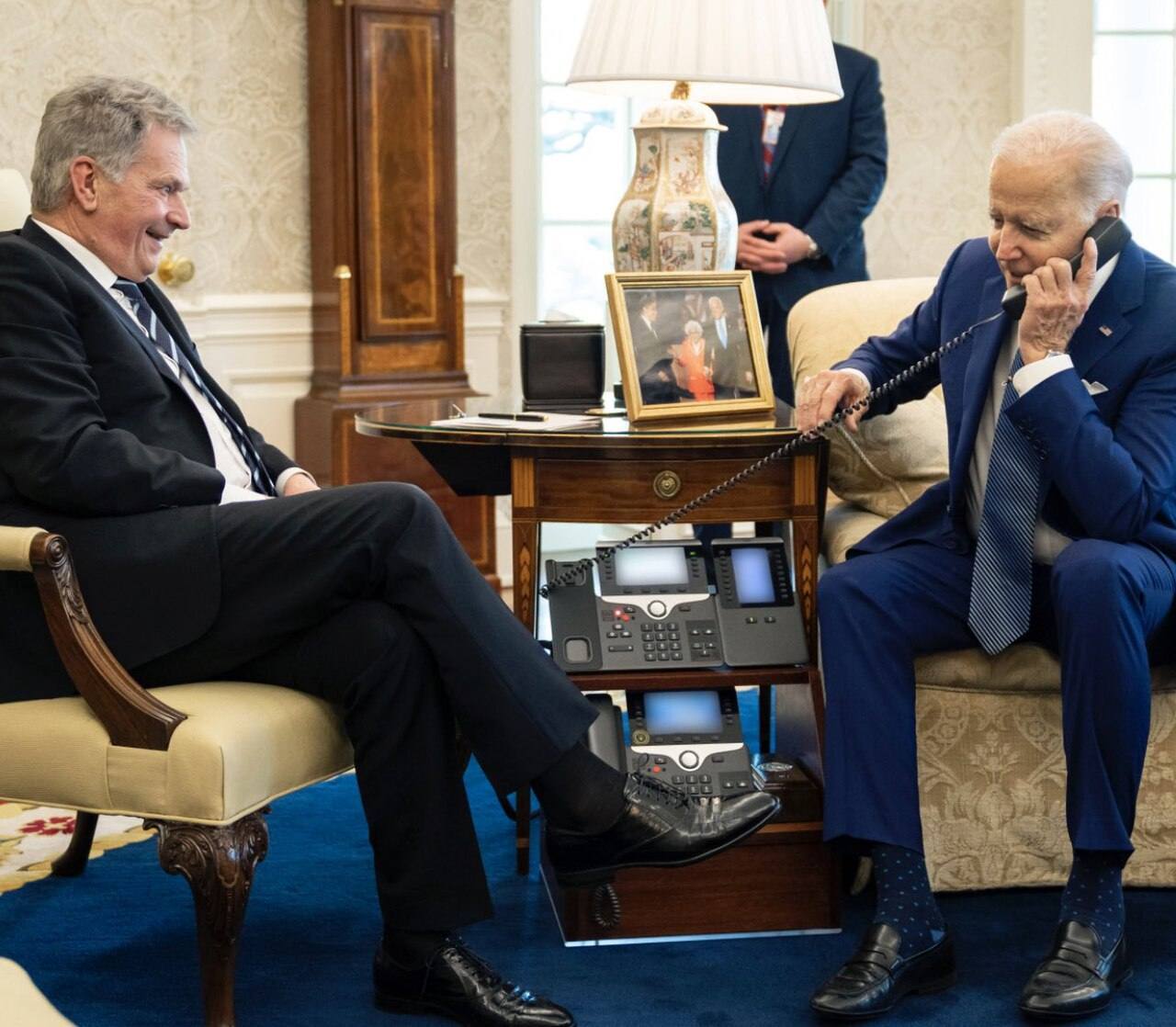
“We need to bridge the gap between government support and individual responsibility,” says an unnamed analyst close to the intelligence community.
Economic Recovery: A Polarized View
The debate over economic recovery is emblematic of the broader ideological divide. The left's push for increased funding for social services and infrastructure projects is met with fierce resistance from the right, who argue that these measures will lead to increased taxes and government dependency. This polarization inhibits constructive dialogue about how to foster a sustainable economic recovery that benefits all Americans.
Moreover, as the economy shows signs of recovery, inflation has emerged as a significant concern. The intelligence estimates indicate that while job growth is on the rise, the inflation rate is also climbing, raising questions about the efficacy of current economic policies from both sides. The left often dismisses inflation fears as overstated, while the right amplifies these concerns, using them as a rallying cry against any new spending initiatives.
Public Health Response: Balancing Safety and Freedom
The ongoing public health crisis continues to be a flashpoint for contention. The intelligence estimates suggest that public trust in health institutions is wavering, partly due to the politicization of health measures. The left's insistence on vaccine mandates and mask-wearing has drawn ire from the right, who argue that such measures infringe on personal freedoms.
This standoff has resulted in a fragmented public health response, undermining efforts to combat the pandemic effectively. The left argues that strict measures are necessary to protect public health, while the right insists that individuals should have the autonomy to make their own choices. This lack of consensus hampers the ability to present a united front against COVID-19, leading to further complications in managing the crisis.
National Security: A Divisive Narrative
National security remains another area of contention. The intelligence estimates highlight evolving threats, including cyber warfare and domestic extremism. The left calls for comprehensive reforms to address these emerging threats, advocating for measures that focus on inclusivity and community engagement. Meanwhile, the right tends to emphasize military strength and border security, framing these issues in terms of national sovereignty.
This binary approach to national security fails to recognize the multifaceted nature of contemporary threats. A balanced perspective would consider both robust military preparedness and the need for community resilience against radicalization. However, the current political climate encourages a zero-sum game, where one side’s gains are perceived as the other’s losses.
A Call for Middle Ground
As we analyze these intelligence estimates, it becomes clear that an excess of partisanship hinders our ability to confront the pressing challenges of our time. Both the left and the right have valid concerns, but the extreme positions they adopt often drown out the potential for compromise. The American public deserves leaders who are willing to engage in constructive dialogue and seek solutions that transcend partisan divides.
In this moment, it is crucial for policymakers to step back from the brink of polarizing rhetoric and instead focus on building coalitions that prioritize the well-being of all citizens. The intelligence estimates serve as a reminder that while ideological differences are inevitable, the pursuit of a common good should always take precedence.
✦ ✦ ✦