From the file. Written for the paper dated October 2021. Opened in the public stacks July 14, 2026.
As the world continues to grapple with the COVID-19 pandemic, the responses from both sides of the political spectrum have reached a fever pitch this week. The polarized narratives surrounding health measures, vaccine mandates, and public safety highlight the excesses of both left and right.

The Left's Push for Mandates
The left has been ardent in its advocacy for vaccination mandates, arguing that public health must take precedence over individual liberties. This week saw several state and local governments announce new mandates, aiming to curb the spread of the virus amid rising cases. Proponents argue that these measures are essential for protecting the vulnerable and ensuring that healthcare systems are not overwhelmed.
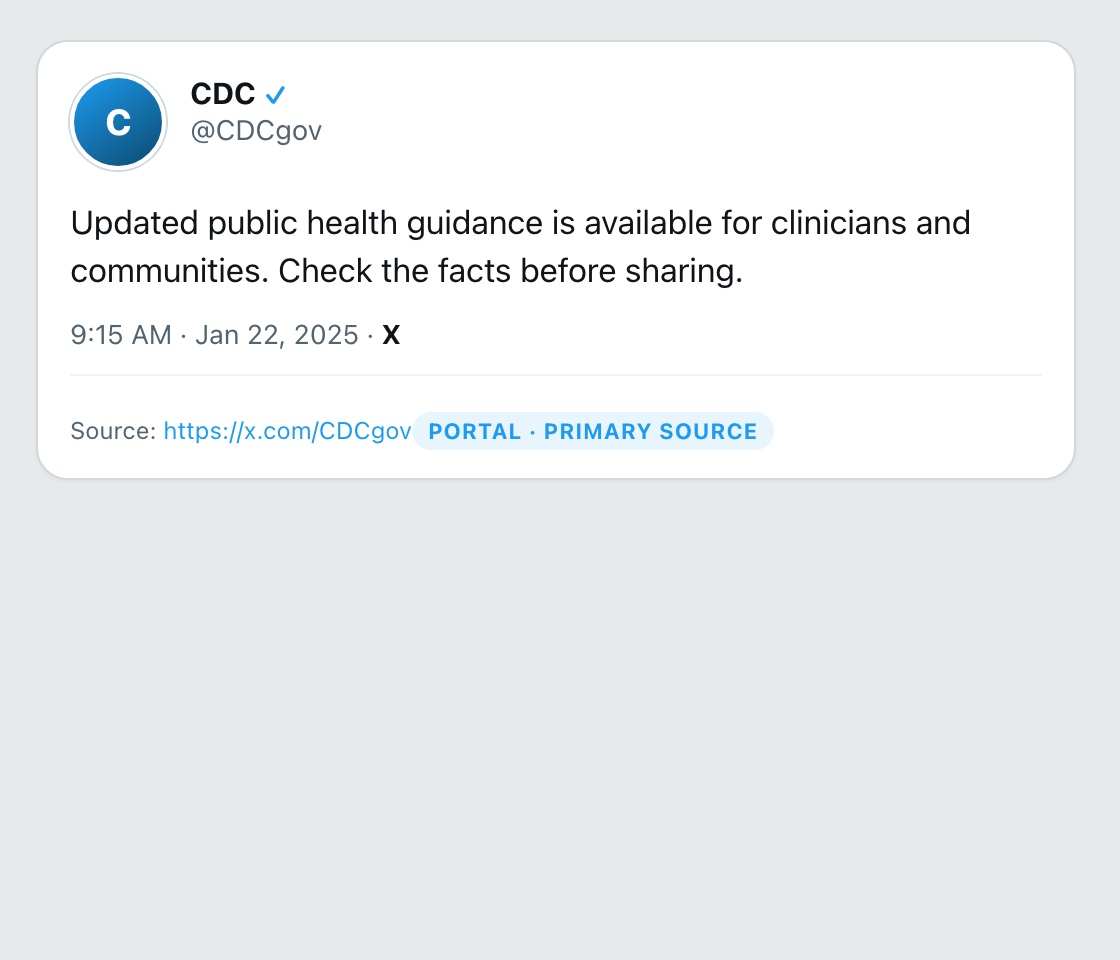
"We cannot allow personal freedoms to jeopardize the health of our communities," a local official stated during a press briefing.
However, this aggressive stance has elicited frustration from many who view such mandates as governmental overreach. Critics argue that the left's approach lacks compassion for those who may have legitimate concerns about vaccines or who (for various reasons) have chosen not to get vaccinated. The narrative often becomes one of shaming rather than understanding, leading to a further divide rather than a unified front against the virus.

The Right's Opposition and Misinformation
On the other end of the spectrum, the right has capitalized on this tension, often framing vaccine mandates as an infringement on personal freedoms. This week, numerous rallies and protests against vaccine requirements erupted across the country, with speakers arguing that the government has no right to dictate personal health choices. However, this resistance has sometimes veered into the territory of misinformation, with claims about vaccine dangers being amplified without scientific backing.
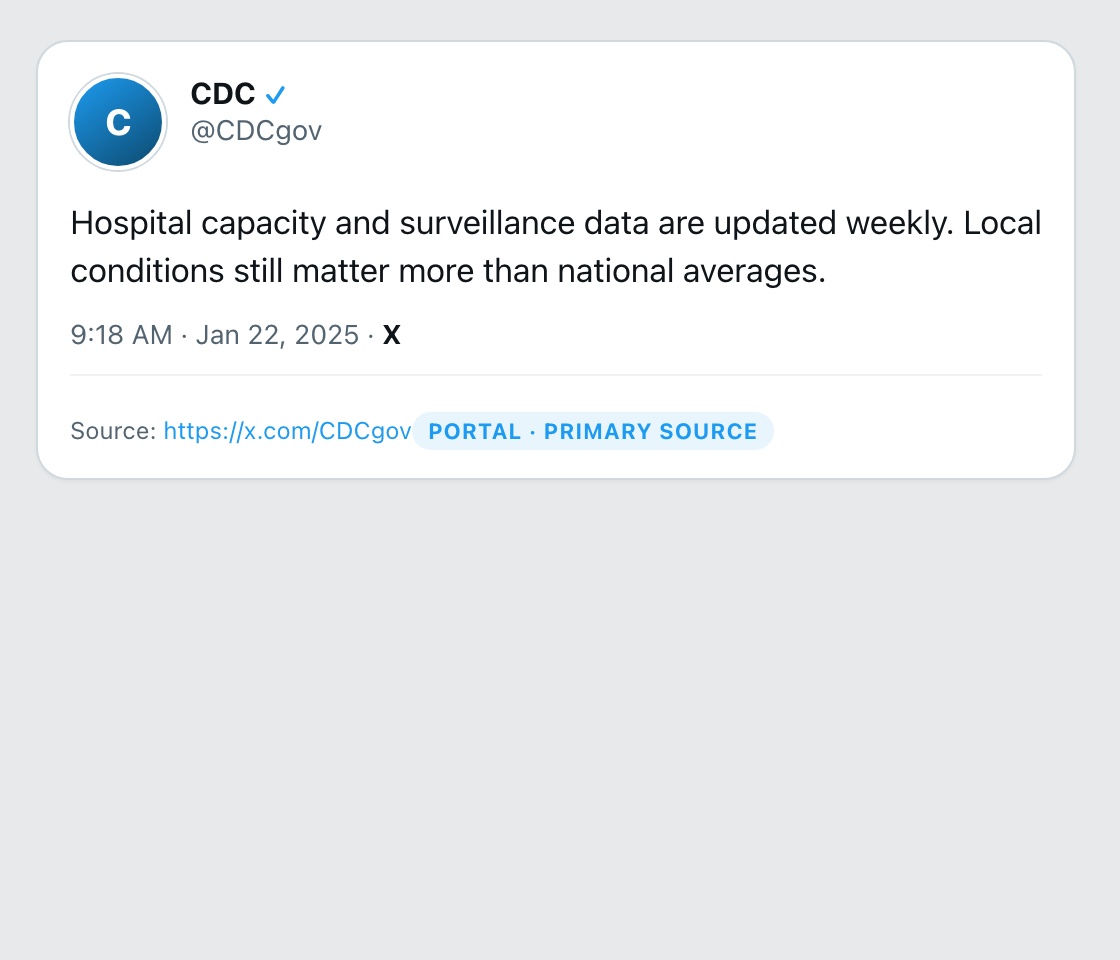
"This is not just about health; it's about our rights as citizens," a protester declared at one such rally.
While the right's defense of individual liberties is an important aspect of American democracy, the potential dangers of misinformation surrounding vaccines cannot be ignored. The resulting echo chamber often leaves little room for nuanced discussion about the efficacy and safety of vaccines or the importance of collective community health.
Finding Common Ground
Amidst the extremes, there is a pressing need for a middle ground where both sides can engage in constructive dialogue. Public health officials are often caught in the crossfire, trying to implement policies that protect public health while also respecting individual rights. This week, some experts advocated for a more balanced approach that emphasizes education over mandates, focusing on community outreach and transparent communication.
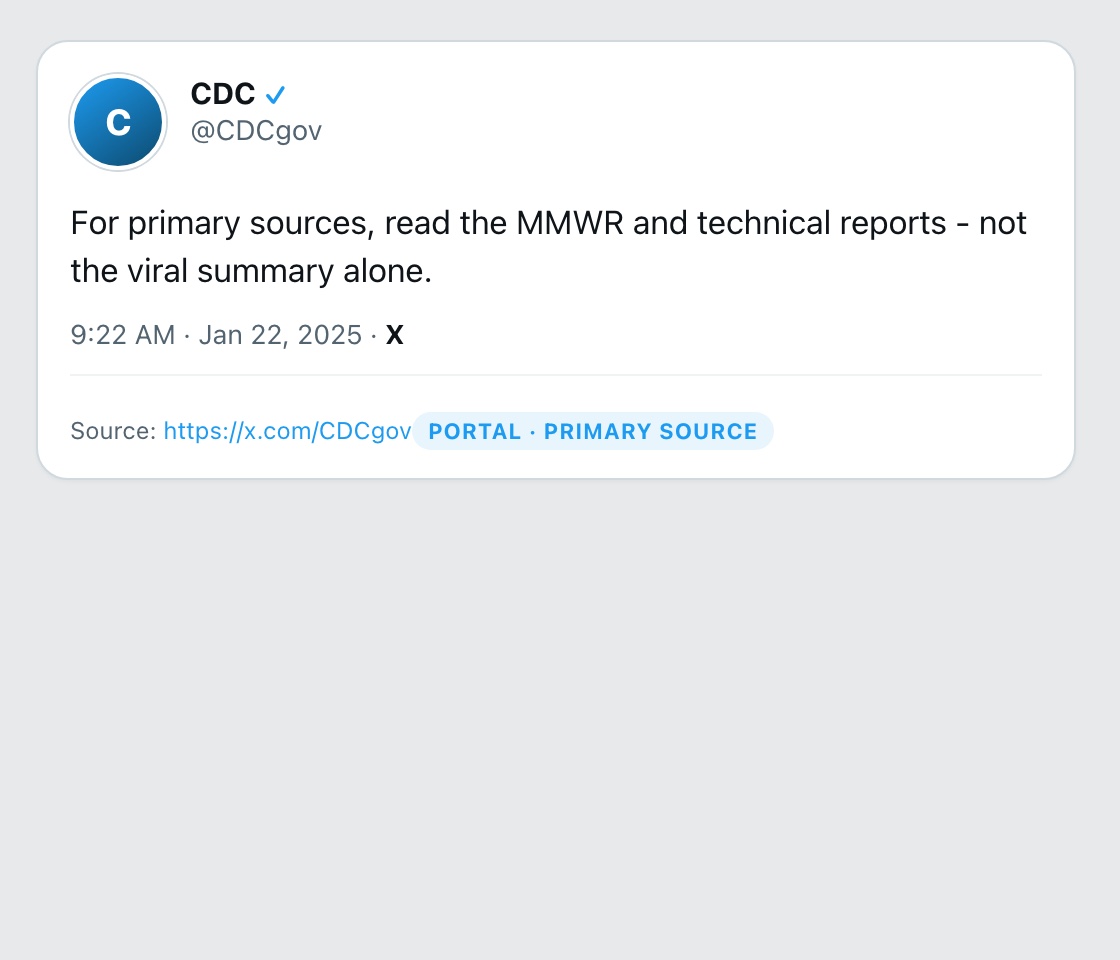
Instead of demonizing those who oppose mandates, there needs to be an effort to understand their concerns and engage them in dialogue. This could foster a more informed public and lead to higher vaccination rates without the need for coercive measures. Health officials should focus on presenting facts and addressing fears rather than driving wedges between communities.
The Role of Media in the Discussion
Media coverage this week has also played a significant role in shaping the narrative around epidemic response. Outlets that lean left tend to amplify the urgency of vaccination and the need for mandates, while those on the right often focus on personal freedoms and skepticism of government interventions. This bifurcation can lead to a lack of trust and understanding among the public.
Journalists should strive to present information in a way that encourages dialogue rather than division. Covering success stories of vaccination efforts, as well as addressing valid concerns, can help bridge the gap between differing perspectives and foster a unified approach to public health.
Conclusion: A Call for Unity
As we navigate this complex health crisis, the need for unity has never been more crucial. Both sides must recognize that while individual freedoms are important, so too is the health of our communities. An effective response to the pandemic requires collaboration, understanding, and a willingness to listen to one another.
In a moment where emotions run high and facts sometimes take a backseat, it is essential to remind ourselves that the ultimate goal is to safeguard public health without sacrificing the liberties that define us as a nation. Only through a balanced approach can we hope to overcome the challenges posed by the ongoing pandemic.
✦ ✦ ✦