From the file. Written for the paper dated September 2021. Opened in the public stacks July 14, 2026.
The recent release of stunning images from the latest space telescope has captured the public's imagination, yet amidst the awe and wonder lies a less glamorous reality: the complex and often contentious procedures that underpin these scientific feats.
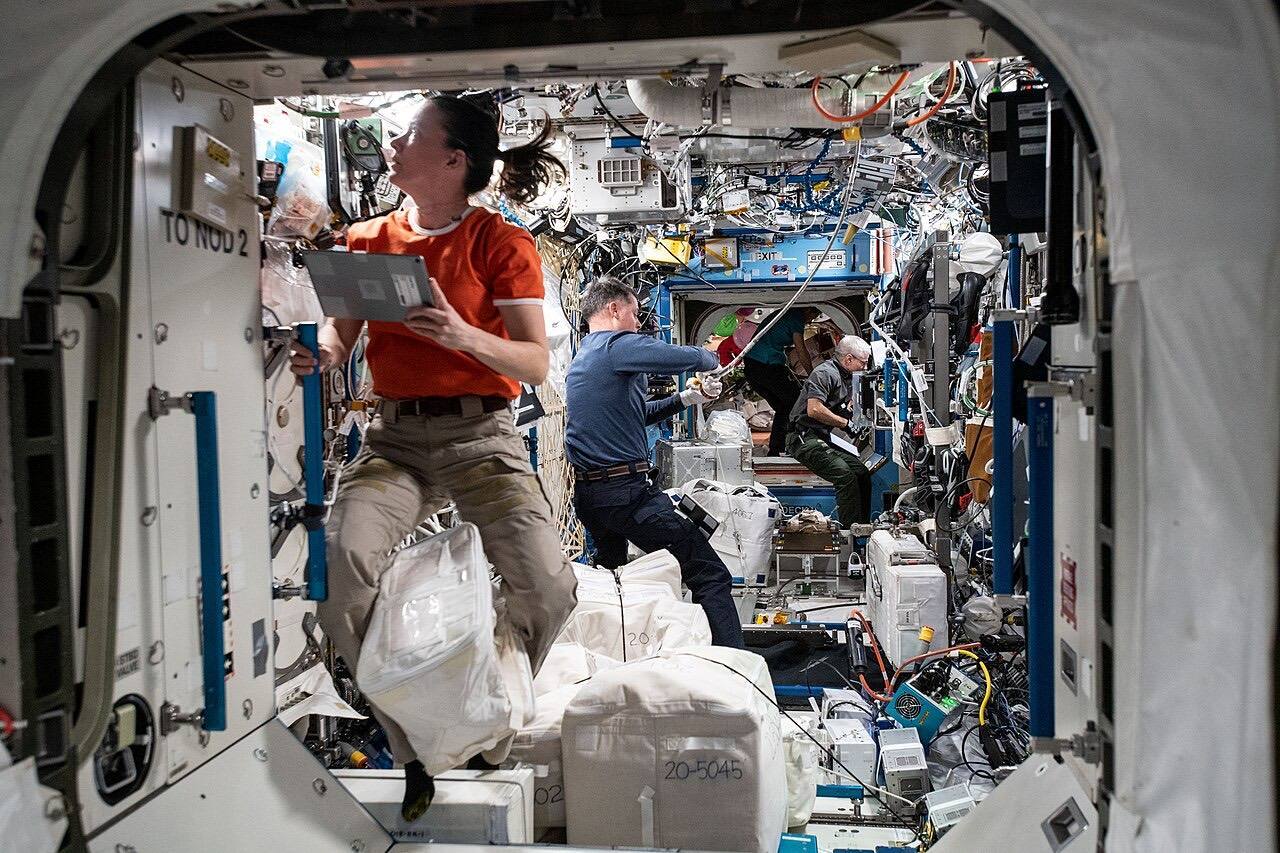
The Science Behind the Scenes
When the latest telescope images hit the newsstands, they are often met with accolades and excitement. Yet, behind those mesmerizing snapshots of distant galaxies and cosmic phenomena is a meticulous process fraught with challenges and disagreements. While the public celebrates the results, the scientific community grapples with the procedural hurdles that are often overlooked.
First and foremost, the data collection process can be a contentious issue. Teams of scientists from various institutions collaborate on these projects, each bringing their own expertise and, often, differing agendas. The competition for funding and recognition can create tension, and the push for publication can lead to rushed analyses. In the race to be the first to showcase findings, corners may be cut, and rigorous peer review can sometimes take a backseat.
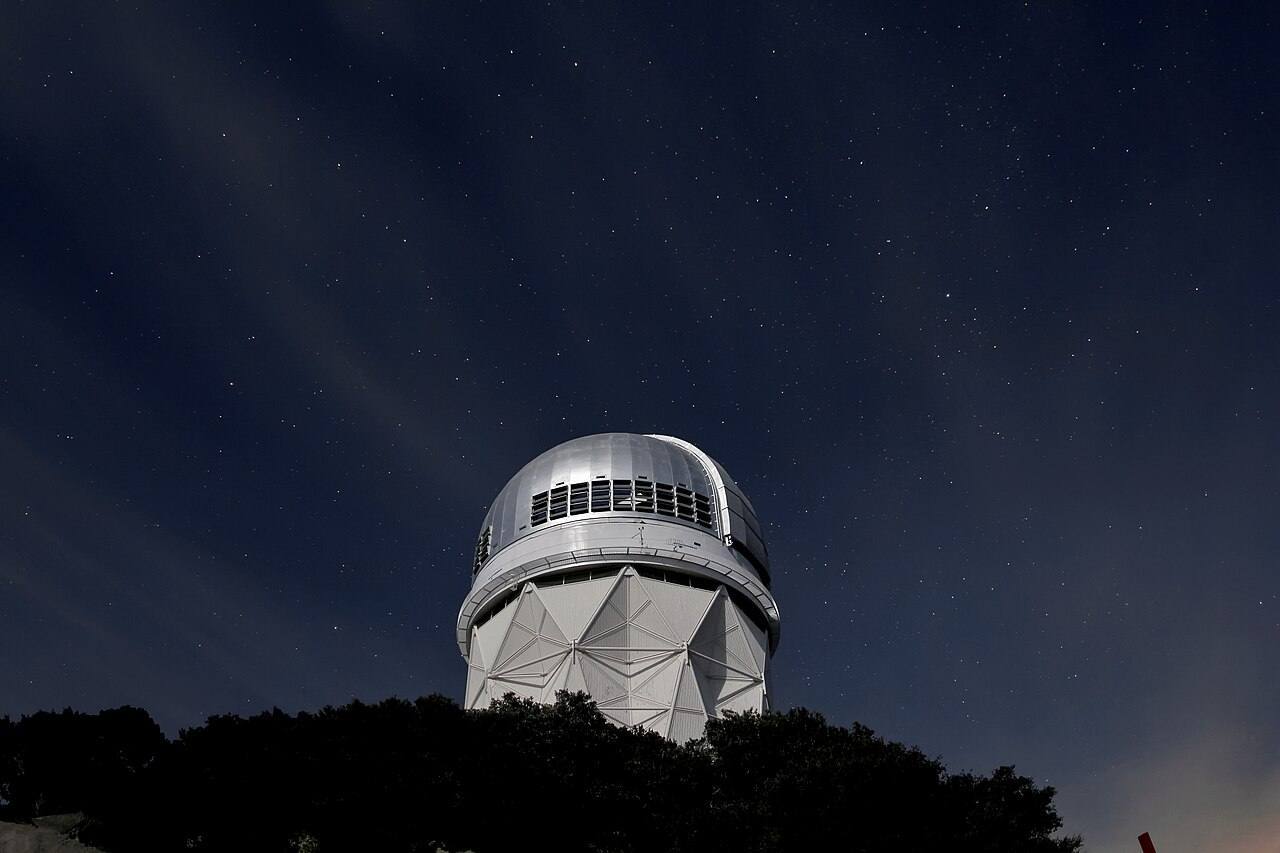
"The excitement of discovery can sometimes overshadow the importance of thoroughness."
The pressure to produce spectacular images can lead to compromises in methodology. As scientists strive to capture the most visually striking images, they may prioritize aesthetic appeal over the integrity of the data. This is a risky endeavor, as it can lead to misinterpretations that later require retraction or clarification. The scientific community is often too quick to celebrate the pictures, while the real work - ensuring the accuracy of the data and interpretation - takes a backseat.
Technology vs. Reality
The technology that powers these telescopes is groundbreaking, but it comes with its own set of challenges. Each new advancement in telescope design opens up a Pandora’s box of technical issues that require time and expertise to resolve. Innovations can be met with skepticism from traditionalists who argue for more conservative approaches to astronomical observation.
Moreover, as new technologies emerge, so do new ethical dilemmas. Questions about the environmental impact of launching and operating these devices, as well as the implications of space debris, are often swept under the rug in the excitement surrounding new discoveries. The scientific community must grapple with balancing exploration and conservation, a task that is often mired in disagreement among scientists and policymakers alike.

Public Perception and Misunderstanding
As the public gazes in wonder at the images released, they often lack an understanding of the complexities involved in producing them. This disconnect can lead to inflated expectations regarding what these images represent. For instance, many people may not realize that the colors they see are often artificially enhanced to highlight specific features, a process that can lead to misconceptions about the actual nature of the celestial bodies depicted.
Furthermore, the media’s portrayal of these images can contribute to a sensationalized understanding of scientific discovery. Headlines often focus on the grandeur of the visuals while glossing over the intricate scientific methods that yield those results. This creates a narrative that prioritizes spectacle over substance, leading to a public that is more interested in the drama of discovery than the nuanced reality of scientific inquiry.
Finding Common Ground
In the face of these challenges, there is a growing recognition of the need for transparency and collaboration within the scientific community. Open data initiatives and collaborative projects are becoming more common, as scientists strive to share their findings and methodologies with one another. This shift could help mitigate some of the procedural issues that plague data collection and analysis, fostering a culture of openness and accountability.
Furthermore, public outreach initiatives that focus on education can help bridge the gap between scientific communities and the general public. By demystifying the processes behind telescope images, scientists can cultivate a more informed audience that appreciates the hard work behind each stunning photo. This not only enhances public understanding but also encourages a more supportive environment for scientific inquiry.
As we continue to marvel at the breathtaking images produced by our latest telescopes, it is crucial to remember the delicate balance between artistry and accuracy, spectacle and scientific rigor. The images may dazzle us, but it is the painstaking work of scientists that ultimately reveals the true nature of our universe.
✦ ✦ ✦