From the file. Written for the paper dated September 2021. Opened in the public stacks July 14, 2026.
In the current climate of political polarization, the clash over federalism represents a procedural battleground that few are willing to openly address.
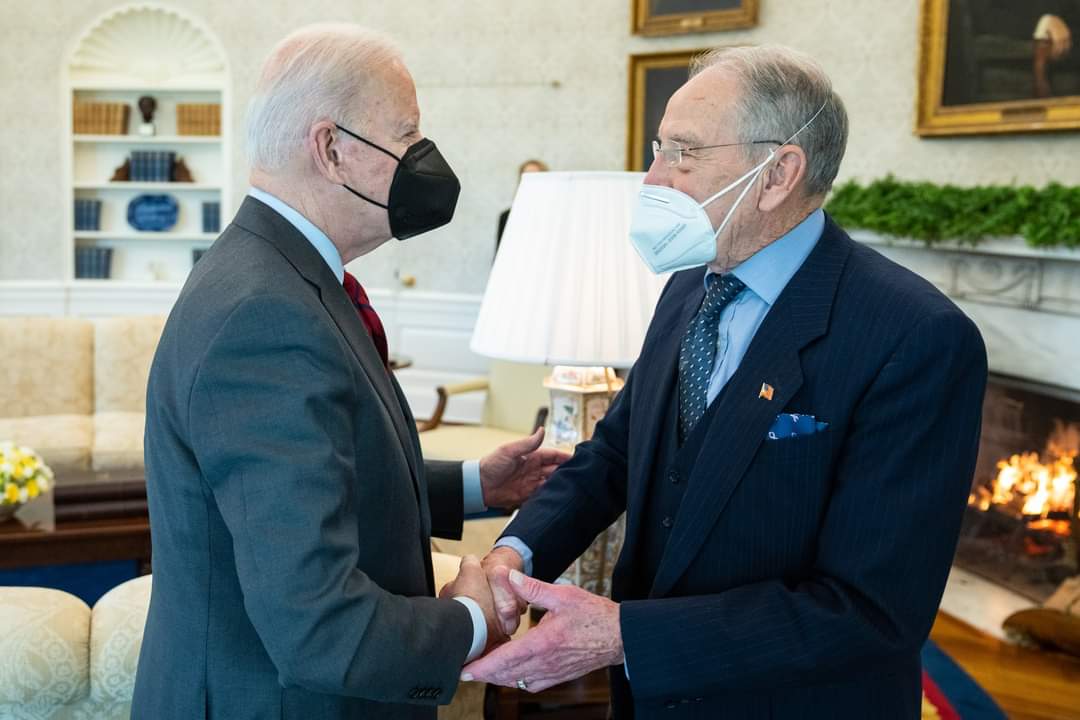
The Federalism Fracture
As the United States navigates a complex political landscape, the debate surrounding federalism has intensified, revealing deep divides not only between left and right but also within the parties themselves. The ongoing pandemic has exacerbated tensions, with states grappling with differing approaches to public health, economic recovery, and civil liberties. Yet, in the midst of these discussions, the procedural aspects of federalism often get overlooked.

On one side, proponents of a stronger federal government argue that a unified response is essential to tackle national issues, such as health crises and climate change. They contend that states, each with their own agendas and policies, can lead to fragmented and ineffective responses. The left has often rallied around the idea that federal mandates are necessary to ensure equity and safety for all citizens, especially marginalized communities that may be disproportionately affected by state-level policies.

However, this perspective risks centralizing power in a way that can stifle local governance and the unique needs of individual states. Critics warn that an overreaching federal government can lead to a one-size-fits-all approach that fails to consider regional differences, undermining the very principles of federalism that allow states to tailor their policies to their populations.
State Sovereignty vs. Federal Oversight
Conversely, the right has often championed the idea of states' rights, arguing that local governments are better equipped to address the specific needs of their constituents. This view is rooted in a historical commitment to decentralization and personal liberties, with many conservatives advocating for minimal federal intervention in state affairs. The rise of movements pushing against federal mandates regarding mask-wearing and vaccine distribution highlights this tension, as some states assert their sovereignty in the face of perceived overreach.
Yet, this insistence on state sovereignty can lead to significant disparities in policy and public health outcomes. The ongoing challenge is balancing the need for a cohesive national strategy with respect for state autonomy. This clash reveals the complexities of federalism that are often oversimplified in partisan rhetoric.

"In an age of polarization, the nuances of federalism are drowned out by the loudest voices on both sides."
The Procedure Nobody Wants to Discuss
Amidst the fervor, there is a procedural aspect of federalism that remains largely unexamined: the mechanisms that allow for collaboration and negotiation between state and federal authorities. The Constitution outlines a framework for federalism, yet the practicalities of how states and the federal government work together often become mired in political gamesmanship.
Discussions about federalism tend to focus on conflict rather than cooperation. However, successful federalism requires a commitment to dialogue and compromise. The current climate, marked by partisan warfare, makes this increasingly difficult. Both political parties seem more interested in scoring points off each other than in engaging in the substantive negotiations that could yield effective governance.
Finding Common Ground
The challenge lies in finding common ground between competing ideologies. Could there be a way forward that respects both state sovereignty and the need for federal oversight? Some suggest that fostering a culture of collaboration could lead to innovative solutions to pressing issues. By prioritizing dialogue over division, states and the federal government might be able to work together toward shared goals, such as public health and economic recovery.
However, this would require a shift away from the current zero-sum mindset that defines much of contemporary politics. It requires acknowledging that there can be merit in both sides of the federalism debate and that the ultimate goal should be the welfare of the citizenry, not merely the advancement of partisan agendas.
The path forward is fraught with challenges, but the need for a balanced approach to federalism has never been more pressing. As both sides grapple with their respective excesses, it is essential to recognize that the true spirit of federalism lies in the ability to work together for the greater good. This is a conversation that must take place if we are to move beyond the entrenched divisions that characterize our current political climate.
✦ ✦ ✦
For local service context, see Joneswater.