From the file. Written for the paper dated August 2021. Opened in the public stacks July 14, 2026.
As scientists continue to study the universe's many phenomena, solar storms present an intriguing case. They generate both awe and fear, captivating the imagination with their vibrant displays of light. However, the underlying mechanisms are often overlooked, revealing a surprisingly mundane process.
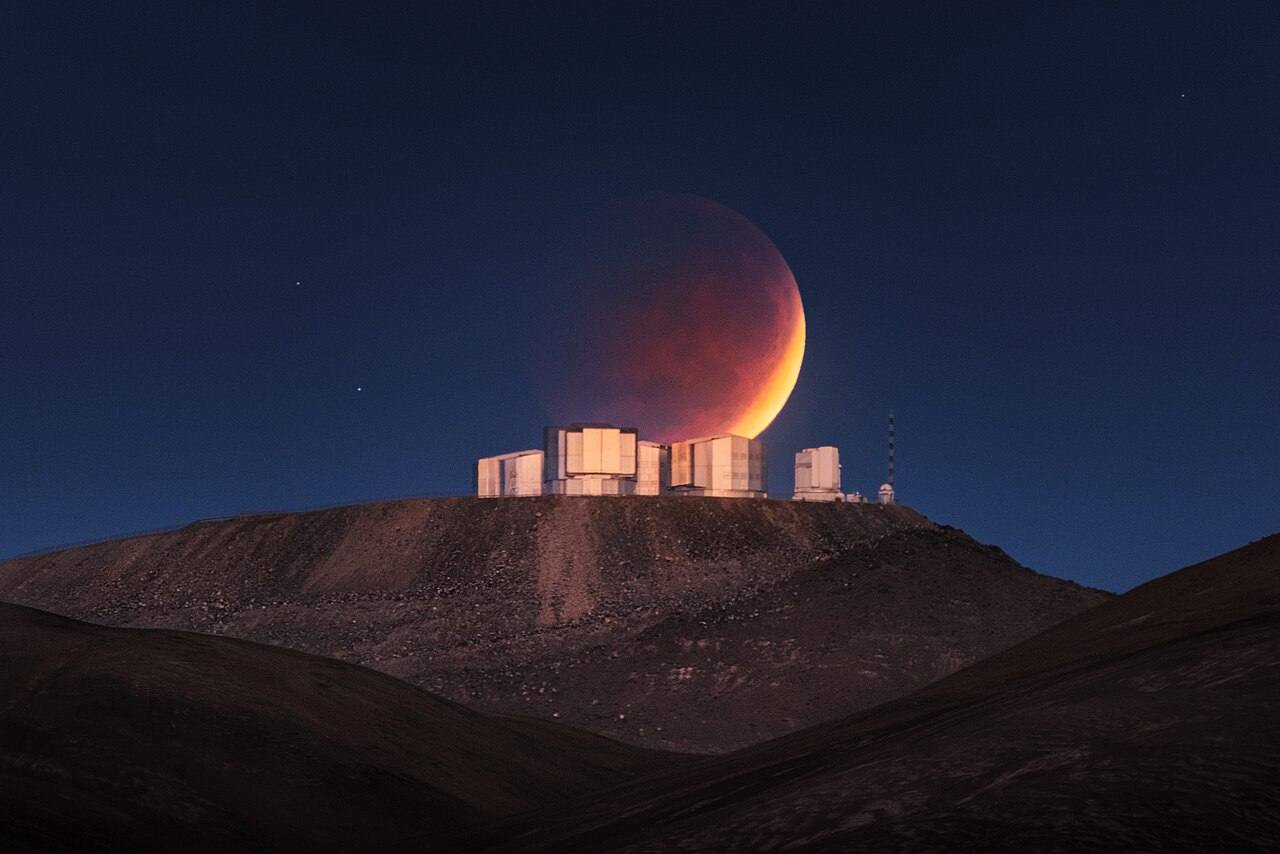
The Science Behind Solar Storms
Solar storms, which occur when the sun releases significant bursts of energy, can have profound effects on Earth. These storms are primarily driven by the sun's magnetic field, which, like a giant magnet, influences the charged particles in space. The mechanism itself may seem boring, yet it leads to events that can disrupt satellite communications, power grids, and even the auroras that dance across polar skies.

At the core of solar storms is the phenomenon known as coronal mass ejections (CMEs). These massive bursts of solar wind and magnetic fields rising above the solar corona or being released into space can travel at millions of miles per hour. Although the visual spectacle of a solar storm can be breathtaking, the process behind it is rooted in the complex interplay of magnetic forces and plasma physics.
"The beauty of solar storms lies not in their chaos, but in the predictable science that governs them."
Understanding CMEs involves a deep dive into the sun's magnetic field. The sun's outer layer, the photosphere, is constantly bubbling like a pot of boiling water, due to the convection currents of plasma. As these currents rise and fall, they twist and tangle the magnetic field lines, creating areas of magnetic stress. When these lines snap, it can lead to the explosive release of energy seen in solar storms.
The Impact of Solar Storms on Earth
The repercussions of solar storms are felt more acutely than one might expect. They can interfere with radio communications, cause power outages, and even threaten astronauts in space. The 1989 Quebec blackout, attributed to a severe solar storm, serves as a stark reminder of the potential consequences. While the sun emits energy regularly, the unpredictable nature of CMEs means that scientists are constantly on high alert.
In August 2021, as the sun approaches its solar maximum, the frequency of solar storms is expected to increase. This natural cycle occurs approximately every 11 years, with the sun transitioning from a period of low activity to one of heightened solar flare activity. Researchers are employing advanced monitoring techniques to better predict and prepare for these potentially disruptive events.
Criticism of the Narrative
While the science surrounding solar storms is fascinating, the discourse surrounding them often tends to exaggerate their potential impact. Alarmist narratives from both sides of the political spectrum can lead to unnecessary panic. Some environmental advocates may frame solar storms as an urgent threat to our technology, while others downplay any risks, suggesting that humanity has nothing to fear from the sun's activity.
This polarization can be counterproductive. On one hand, we have the left's tendency to highlight the dangers of solar storms to support broader climate change narratives, implying that such cosmic events are exacerbating our environmental crises. On the other hand, the right often dismisses the implications entirely, promoting a narrative that fails to recognize the genuine scientific concerns that come with solar activity.
Both extremes risk undermining the ongoing scientific efforts to understand and mitigate the effects of solar storms. Rather than engaging in a blame game over these natural phenomena, a more balanced approach is warranted - one that acknowledges the risks while promoting informed preparedness rather than fear.
The Path Forward
As we move forward into a period of increased solar activity, it is crucial that scientists and communicators collaborate to convey accurate information about solar storms. The challenge lies not only in understanding the science but also in effectively communicating it to the public without succumbing to alarmism or dismissiveness.
While solar storms may seem like a spectacular display of nature's power, they ultimately stem from ordinary physics - the interactions of magnetic fields and plasma. By focusing on the science and steering clear of ideological extremes, we can better prepare for the impacts of solar activity, ensuring that we remain informed rather than frightened.
✦ ✦ ✦