From the file. Written for the paper dated August 2021. Opened in the public stacks July 14, 2026.
In an age where information flows incessantly and opinions seem to carry more weight than facts, the act of delving into primary sources can feel like an exercise in futility. Yet, it is precisely this boring mechanism that underpins our understanding of history and current events.

Why Primary Sources Matter
As we navigate the chaotic waters of modern discourse, whether it be political debates, social justice movements, or public health discussions, the importance of primary sources cannot be overstated. These are the raw materials of history: firsthand accounts, original documents, and direct evidence that can help illuminate what is often obscured by sensational narratives.
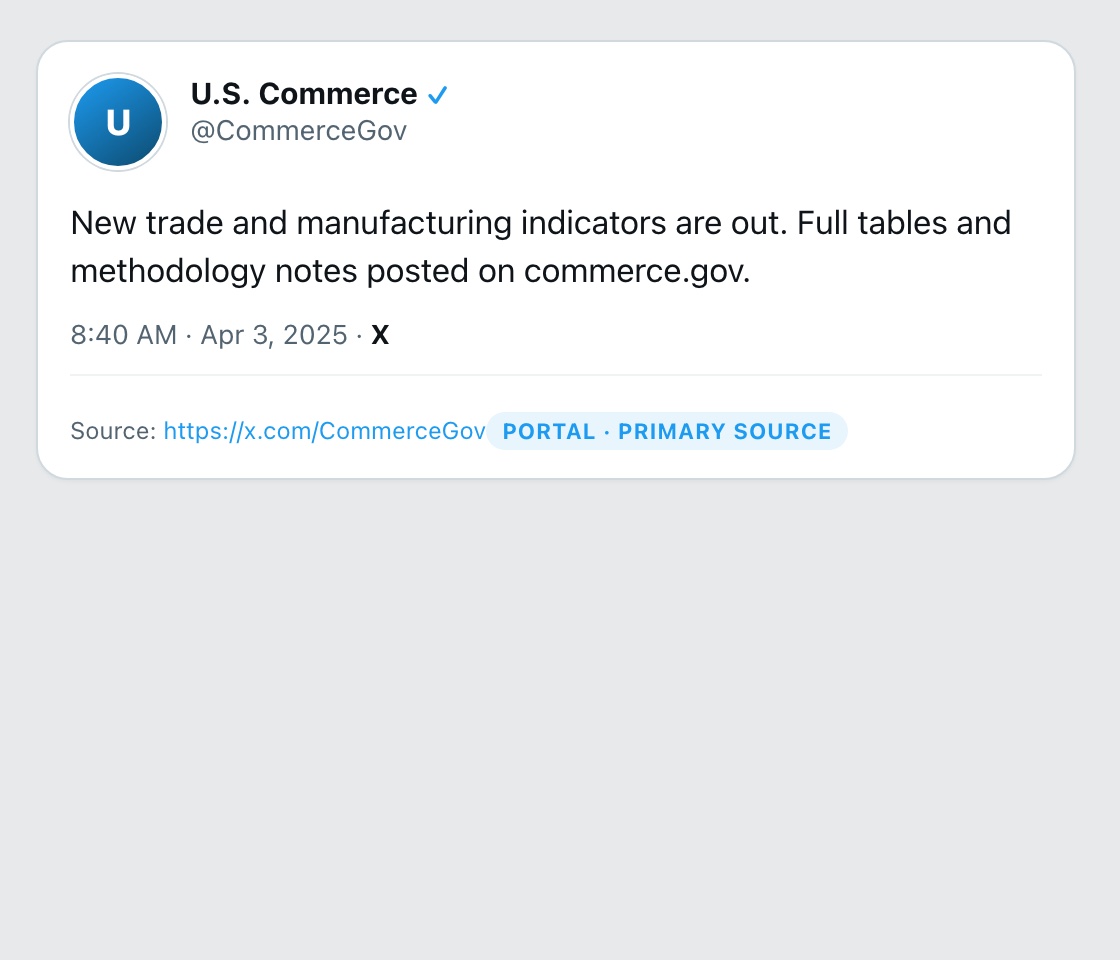
However, engaging with these sources often requires a level of effort and patience that many seem unwilling to invest. It is far easier to consume digestible sound bites or to rely on secondary interpretations than to sift through the dense prose of long-forgotten letters or government reports. In a world where attention spans are dwindling, the allure of the quick fix is powerful.

Noise Over Substance
The noise generated by pundits, activists, and influencers can drown out the more measured tones of scholarly discourse. Both the left and the right engage in this practice, often distorting the facts to fit their narratives. On one end of the spectrum, we see a proclivity toward alarmism - where every issue is framed as an existential threat requiring immediate action. On the other, there is a tendency to dismiss legitimate concerns outright, framing them instead as mere hysteria.
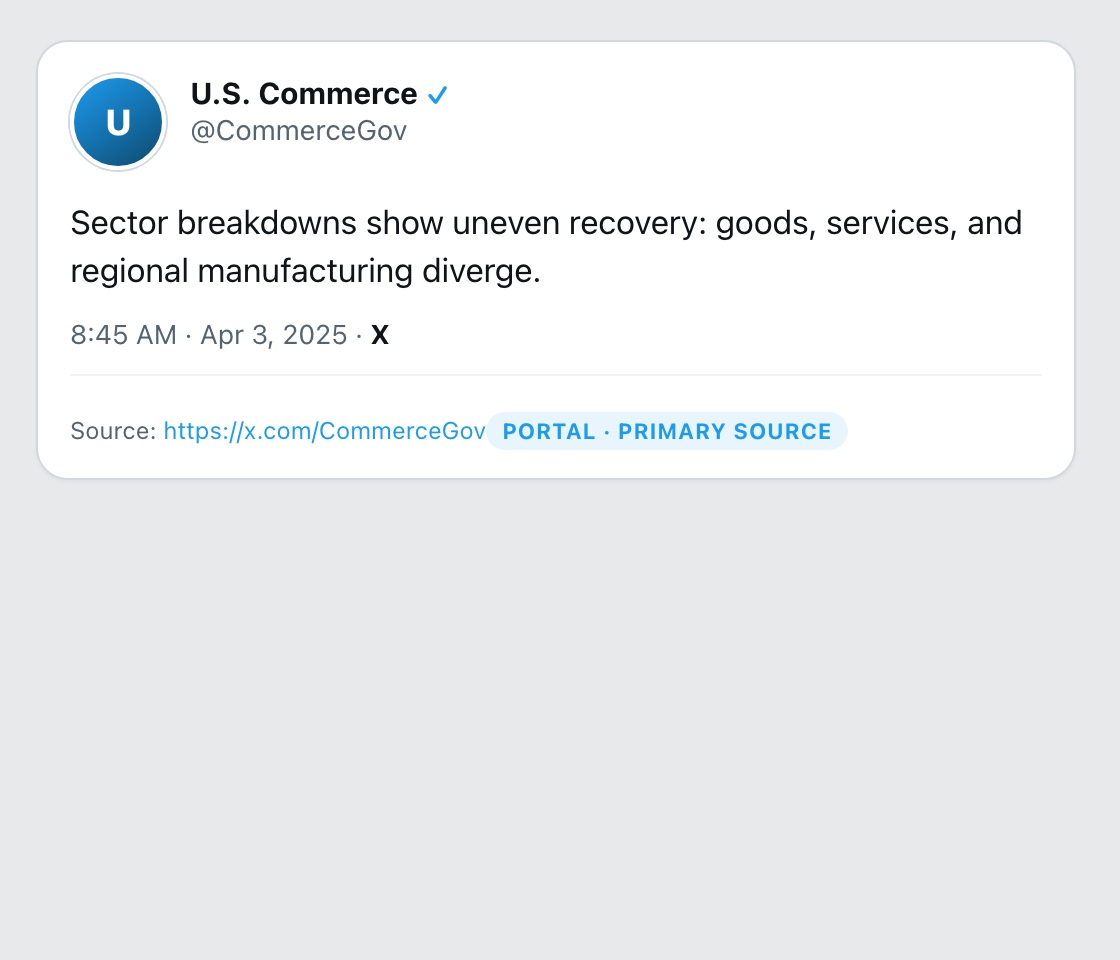
"In a world where attention spans are dwindling, the allure of the quick fix is powerful."
This binary approach to discourse not only stifles nuanced understanding but also alienates those who might seek common ground. When both sides retreat to their echo chambers, relying solely on curated information that aligns with their beliefs, the very act of reading and interpreting primary sources becomes an act of rebellion.
The Boring Work of Understanding
Understanding primary sources is not about uncovering grand conspiracies or finding the smoking gun; it is often about piecing together mundane details that tell a more complex story. This process can be tedious, yet it is invaluable. For instance, a letter from a soldier in the Civil War may not seem exciting at first glance. However, it can provide insights into the daily life, thoughts, and struggles of individuals caught in a monumental conflict. It humanizes history.
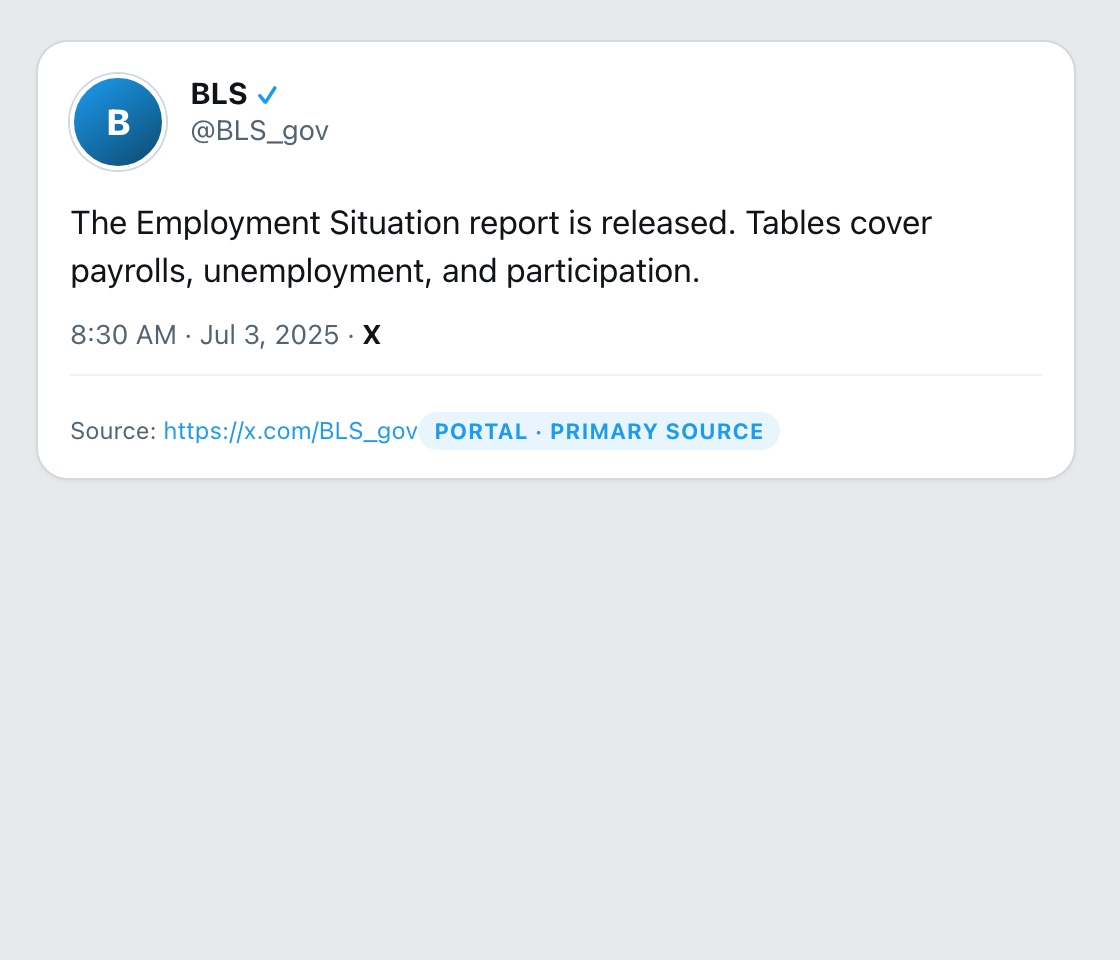
When it comes to contemporary issues, primary sources serve a similar purpose. For example, official public health reports during the COVID-19 pandemic offer a wealth of information that can inform our understanding of the virus's trajectory, the effectiveness of various interventions, and the rationale behind policy decisions. Yet, these documents can be dense and filled with jargon that many find off-putting.
Bridging the Divide
As we grapple with the challenges of our moment, it is crucial to bridge the divide created by sensationalism and ideological fervor. This means actively seeking out primary sources, engaging with them critically, and allowing them to inform our opinions rather than succumbing to the noise. It is a call to arms for the intellectually curious and a reminder that while the political landscape may be rife with extremes, the truth often lies in the quiet, unassuming corners of our history.
In doing so, we not only enrich our understanding but also re-establish a foundation for productive dialogue. A commitment to primary sources can foster empathy, as we begin to appreciate the complexity of various perspectives and the multifaceted nature of truth.
A Call to Action
Ultimately, we must challenge ourselves to embrace the boring work of reading primary sources. The next time a headline grabs our attention or a social media post incites outrage, let us take a moment to pause and consider the underlying facts. By dedicating ourselves to the unglamorous task of research, we can arm ourselves with knowledge and insight, becoming more informed citizens in a time when clarity is desperately needed.
✦ ✦ ✦