From the file. Written for the paper dated August 2021. Opened in the public stacks July 14, 2026.
In a world saturated with sensational headlines and polarizing narratives, the recent congressional oversight hearing on government accountability may seem like another mundane affair. Yet, beneath the surface, it reveals the often-overlooked mechanisms that shape our democracy.
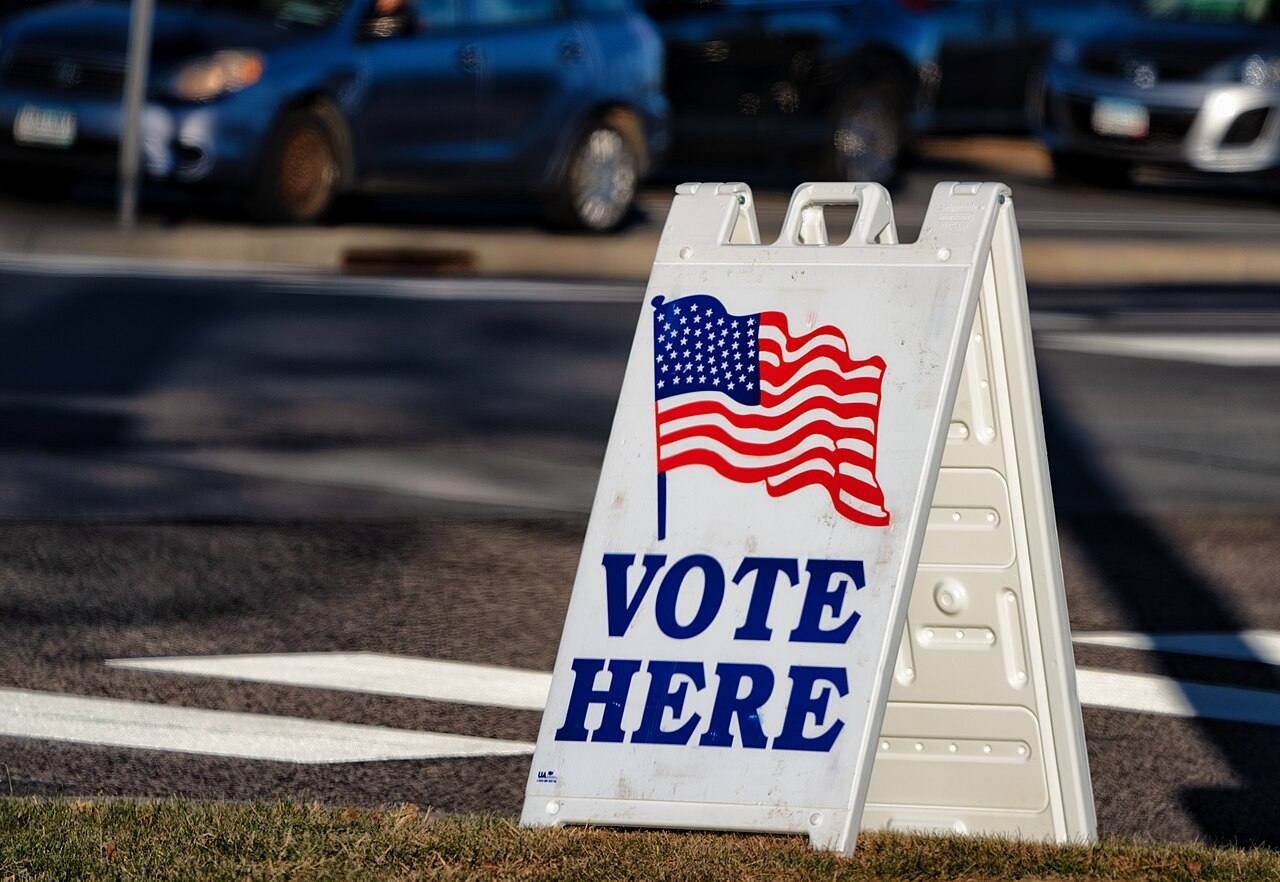
The Setting of Oversight
The oversight hearing held last week in Washington D.C. was aimed at assessing various government agencies' performances and ensuring they remain accountable to the American people. With representatives from both sides of the aisle participating, one might expect a well-rounded debate, but the reality was more mixed. While some lawmakers focused on substantive issues, others succumbed to theatrics, turning what should have been a constructive dialogue into a partisan shouting match.
"The real work of oversight is boring, but that doesn’t mean it’s not essential for a functioning democracy."
Partisan Posturing
For many voters, the term "oversight hearing" may conjure images of earnest officials earnestly discussing policy. However, the reality often involves grandstanding lawmakers leveraging the occasion to amplify their party's agenda. On the left, some representatives pushed for sweeping reforms, advocating for expansive government intervention in tackling societal issues. Meanwhile, their counterparts on the right frequently dismissed the need for such oversight, framing it instead as an unnecessary government intrusion.
This divergence illustrates a troubling trend: both sides are guilty of excesses that distract from the core purpose of oversight. The left’s zealous push for reform can sometimes border on impracticality, while the right’s tendency to dismiss oversight as overreach undermines essential accountability mechanisms. Both extremes contribute to an environment where genuine dialogue is overshadowed by political theater.

The Boring Mechanics of Oversight
Oversight is inherently tedious. It involves scrutinizing budgets, evaluating agency efficiency, and ensuring compliance with laws. It is the kind of work that does not lend itself well to sound bites or viral moments. Yet, it is essential for maintaining checks and balances in government. Without it, agencies might become complacent, mismanaging taxpayer dollars or failing to address public needs effectively.
During the hearing, several key themes emerged, including transparency, accountability, and efficiency. However, these discussions quickly devolved into partisan bickering. A Democrat might highlight failures in a conservative administration’s environmental policies, while a Republican would counter with accusations of mismanagement in social programs. This tit-for-tat often obscures the more mundane yet critical work of identifying systemic issues and proposing tangible solutions.
Seeking Solutions Amidst the Noise
Despite the cacophony, there were moments of clarity during the hearing. Some lawmakers attempted to bridge the divide by emphasizing the importance of bipartisan cooperation in oversight. They recognized that true accountability requires input from both sides of the aisle. Unfortunately, these voices were often drowned out by louder, more combative rhetoric.
As citizens, we must demand better from our elected officials. Oversight should not be a spectacle but a serious undertaking aimed at fostering a more effective government. The American public deserves representatives willing to engage in the dull, yet vital, work necessary to ensure that government remains responsive to the needs of its constituents.
The Call for Civility
The dynamics of the hearing serve as a reminder that civility and respect for differing viewpoints are essential for a functional democracy. Lawmakers must prioritize the interests of the American public over party loyalty, focusing on the issues at hand rather than personal attacks or political gain. Only then can the mechanisms of oversight work effectively.
In conclusion, while oversight hearings may lack the drama of a high-stakes legislative battle, they are crucial for ensuring accountability in government. As citizens, we should advocate for a political culture that values substance over spectacle, recognizing that the true work of governance often lies in the boring details. It is time to refocus our attention on the mechanisms that underpin our democratic system, ensuring they function as intended.
✦ ✦ ✦