From the file. Written for the paper dated August 2021. Opened in the public stacks July 14, 2026.
In an era dominated by flashy tech advancements and consumer-driven demands, chip manufacturing remains an unglamorous yet vital aspect of the modern economy. While discussions around semiconductors often attract headlines, the underlying processes that facilitate their production are often overlooked.
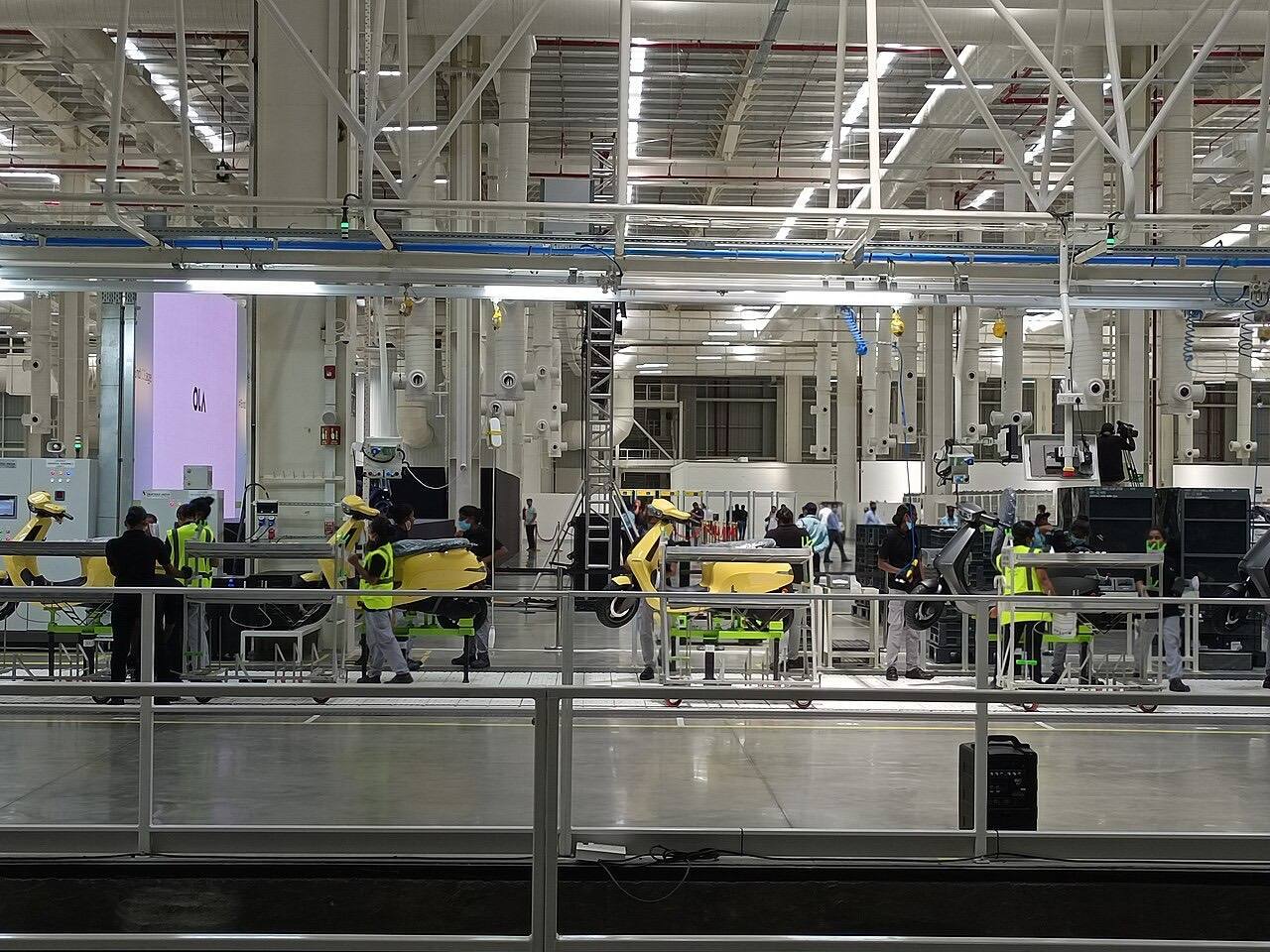
Understanding the Chip Supply Chain
The semiconductor industry is the backbone of countless technologies, from smartphones to electric vehicles. Yet, it operates in the shadows, far removed from the glitzy marketing campaigns that promote the end products. As the global demand for chips surges, a closer look at the supply chain reveals a complex and often inefficient system struggling to keep pace.

From design to fabrication, the chip manufacturing process is intricate. It begins with the creation of designs by engineers, often characterized by elaborate specifications that must be translated into physical silicon. This step alone demands a high level of precision and technical expertise. Once designs are finalized, manufacturing begins in cleanrooms where ambient conditions are meticulously controlled to prevent contamination.

Fabrication plants, or foundries, are where the magic happens. Here, silicon wafers undergo a series of processes including etching, doping, and layering, transforming raw materials into functional chips. However, these facilities are expensive to build and maintain, resulting in a concentrated market dominated by a few major players. This has led to vulnerabilities in the supply chain, as seen during the recent chip shortages that disrupted various industries.

The Political Landscape
The chip manufacturing industry is not just a technical field; it has become a focal point of geopolitical strategies. Governments worldwide recognize the importance of semiconductor independence, leading to increased funding and initiatives aimed at boosting domestic production. However, the approaches taken often reflect the extremes of political ideologies.
"The left's push for regulation can stifle innovation, while the right's laissez-faire attitude risks national security."
On one end, progressive voices advocate for tighter regulations and government intervention to promote sustainable practices and fair labor conditions. This can lead to excessively bureaucratic processes that stifle innovation and slow down production. On the other hand, conservative perspectives often emphasize deregulation, championing free market principles. Yet, this hands-off approach can jeopardize national security as countries become overly reliant on foreign production, particularly from geopolitical rivals.

Balancing Act: Innovation vs. Regulation
As the world grapples with the ongoing chip shortage, the need for a balanced approach has never been clearer. Manufacturers are caught in a tug-of-war between the need for innovation and the pressure to adhere to regulations that may not keep pace with technological advancements. This tension can hinder the industry's ability to respond swiftly to market demands.
Moreover, the push for sustainability within tech manufacturing adds another layer of complexity. Environmental regulations can be beneficial, but if they are too stringent, they may lead to increased costs and production delays. Striking a balance between green initiatives and operational efficiency remains a challenge for many companies in the sector.
The Consumer Perspective
Consumers may be feeling the effects of these challenges in their daily lives, from higher prices for electronics to longer wait times for new vehicles. Many remain unaware of the critical role that chips play in these products, viewing them merely as components of a larger system. This disconnect underscores a widespread misunderstanding of the semiconductor industry's function and importance.
Looking Forward
The future of chip manufacturing holds both challenges and opportunities. As technology continues to evolve, so too will the methods of production and the landscape of the industry. Companies are investing in research and development to create more efficient manufacturing processes, and the emergence of new materials and techniques could reshape the market.
However, without a cohesive strategy that considers both innovation and regulation, the potential for growth could be stifled. The extremes of both ends of the political spectrum must realize that collaboration and compromise are key to maintaining a robust semiconductor industry. The world is watching, and the stakes have never been higher.
✦ ✦ ✦