From the file. Written for the paper dated August 2021. Opened in the public stacks July 14, 2026.
In a time when discourse feels increasingly polarized, the conversation around free speech reveals the underlying mechanisms that drive both the left and right to extremes.
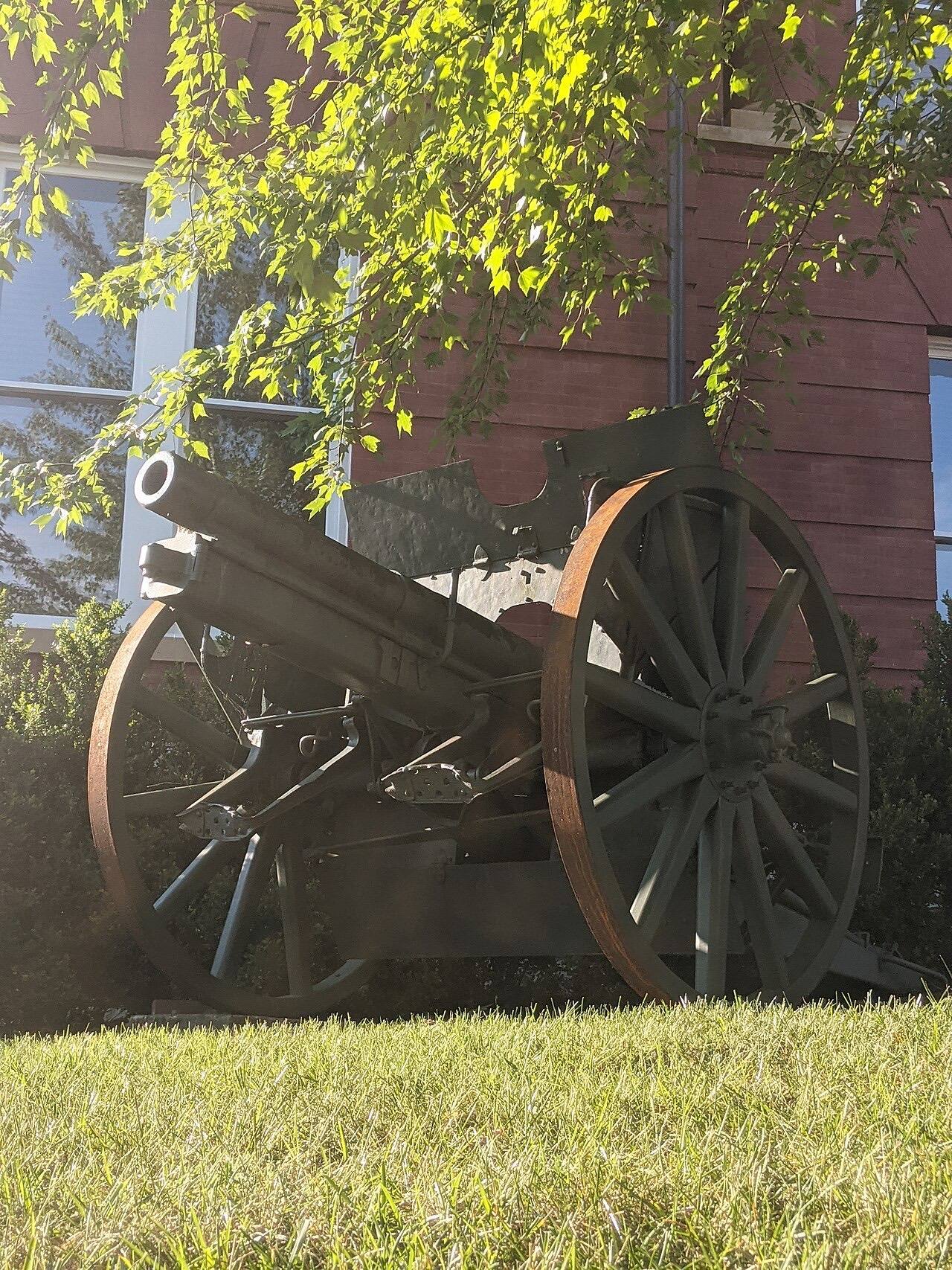
The Illusion of Choice
As August 2021 unfolds, it’s evident that the American political landscape has become a battleground for competing ideologies, each claiming to champion free speech. On one side, leftist groups argue for the regulation of speech to protect marginalized communities, while on the other, right-wing factions rally against perceived censorship in a bid to maintain their voice. However, beneath the surface of this cacophony lies a more mundane reality: both parties are often more concerned with controlling the narrative than fostering genuine dialogue.
Leftist Ideals and Censorship
Progressives advocate for a more inclusive conversation, emphasizing the responsibility that comes with freedom of speech. They argue that unchecked speech can harm vulnerable populations, leading to calls for policies that limit hate speech or misinformation. While the intention is to create a safer environment for discourse, the execution frequently stifles dissenting opinions. This has led to accusations of censorship, creating a paradox where the left, in its pursuit of protecting individuals, ironically undermines the very free speech it claims to uphold.

“In its pursuit of protecting individuals, the left ironically undermines the very free speech it claims to uphold.”
The Right’s Fight for 'Free Speech'
Conversely, conservatives have seized upon the concept of free speech as a rallying cry against what they describe as “cancel culture.” They portray themselves as defenders of the First Amendment, positioning any criticism or opposition to their views as an attack on free expression. This narrative often leads to a disregard for the consequences of speech, including the potential for harm and misinformation. In their battle against perceived oppression, the right risks promoting a form of free speech that allows harmful rhetoric to flourish without accountability.
A Shared Blindness
Both sides exhibit a troubling blind spot. The left’s protective measures can lead to a chilling effect on discussion, while the right’s unyielding defense of free speech can embolden those who exploit it for harmful purposes. Each party's excesses create an environment where true dialogue is stifled, and the noise of ideological warfare drowns out constructive conversation.
Finding a Middle Ground
As citizens, we must confront the reality that the extremes of both parties often detract from meaningful discourse. Instead of engaging with opposing viewpoints, many have retreated into echo chambers, reinforcing their beliefs while dismissing the validity of others. This polarization is not just a political issue; it has societal implications that hinder our ability to coexist and understand one another.
The Call for Nuance
To reclaim the essence of free speech, we must advocate for a nuanced understanding that balances the right to speak freely with the responsibility of that speech. This means recognizing that while everyone has a voice, not all speech is equal. We must engage in difficult conversations and embrace discomfort rather than shy away from it. This requires both sides to acknowledge their excesses and strive for a middle ground that values dialogue over division.
Conclusion
In the end, the discussion surrounding free speech is less about the loud proclamations of either party and more about the quiet, steady conversations that often go unheard. It is these conversations that will ultimately lead us toward a more inclusive and understanding society. As we move forward, let us remember that the true strength of free speech lies not in the ability to shout the loudest, but in the courage to listen and engage with those who think differently.
✦ ✦ ✦