From the file. Written for the paper dated June 2021. Opened in the public stacks July 14, 2026.
As concerns about water quality rise, public claims regarding contamination often clash with scientific records. In this piece, we dissect the narrative surrounding water contamination, weighing emotional appeals against documented facts.

The Landscape of Water Quality Concerns
In recent months, the issue of water contamination has surged to the forefront of public discourse. From Flint, Michigan, to Newark, New Jersey, communities across the nation have grappled with serious concerns about the safety of their drinking water. Activists and concerned citizens have rallied for change, often citing alarming claims about the prevalence of lead, PFAS, and other hazardous substances in their water supply. Yet, while public sentiment is undeniably powerful, it is essential to differentiate between anecdotal evidence and scientific understanding.

Advocates for clean water have made compelling arguments, illustrating the risks associated with contaminated water. However, critics argue that some of these claims may be exaggerated or misrepresented. This tension between public claims and scientific data complicates the dialogue surrounding water safety and policy reform.
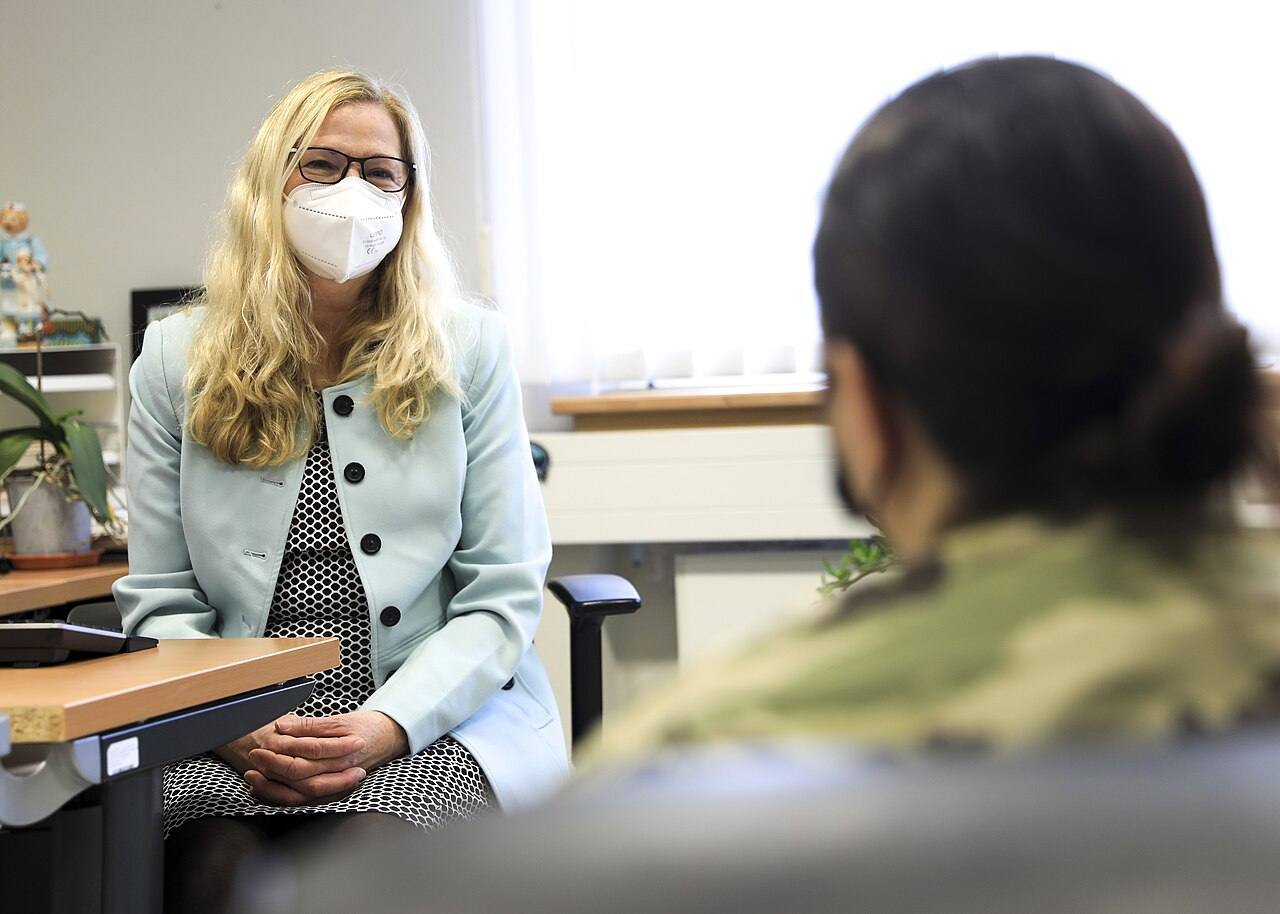
Public Claims: Fear and Frustration
For many, the emotional weight of water contamination stories is hard to dismiss. Families affected by lead poisoning or those who have been warned against using their tap water have legitimate reasons to distrust their local governments and water authorities. Public figures and activists often utilize these narratives to spotlight the urgent need for reform. Phrases like "toxic tap water" resonate with the public, drawing attention to a crisis that feels immediate and personal.
"We can't wait for the government to catch up. Our health is at stake, and we deserve clean water now!"
Such expressions underline a critical point: the fear surrounding water contamination is real. However, it is crucial to approach these claims with a discerning eye. In some instances, sensationalized narratives can overshadow the facts, leading to widespread panic rather than constructive dialogue.
The Record: Facts and Figures
Scientific studies and environmental reports provide a more nuanced view of water quality issues. For instance, while lead contamination remains a serious concern, particularly in older cities with aging infrastructure, the overall prevalence of lead levels in drinking water has been declining in many areas thanks to improved regulations and proactive measures.

Furthermore, the Environmental Protection Agency (EPA) and local health departments continuously monitor water supplies, conducting regular tests to ensure compliance with safety standards. Although there are certainly instances of failure and oversight, the data often suggests that the majority of water sources meet regulatory guidelines. This is not to downplay the legitimate concerns of communities but to provide context where alarm may not always be warranted.
A Call for Balanced Dialogue
In the midst of heightened emotions, finding common ground between activists and policymakers is paramount. Both sides have valid points: the public's fear of contamination is grounded in reality, while scientific data provides an essential foundation for understanding the broader picture. As we move forward, it is vital to foster a dialogue that respects both personal experiences and empirical evidence.
To bridge this divide, stakeholders must prioritize transparency. Water authorities should communicate openly about testing results, potential risks, and remediation efforts. Simultaneously, activists should work to ground their advocacy in verifiable data, avoiding hyperbolic claims that may alienate potential allies.
Conclusion: Toward Safer Water for All
The issue of water contamination is complex, shaped by both emotional narratives and scientific realities. As communities grapple with these challenges, it is essential to navigate the conversation with care and respect for all perspectives. The goal should not be to dismiss the fears of residents but to empower them with knowledge and trust in the systems designed to protect public health.
Ultimately, the path forward relies on collaboration and a commitment to ensuring safe drinking water for all. We must challenge ourselves to look beyond the headlines and engage with the facts, fostering a culture of informed advocacy that prioritizes health and safety.
✦ ✦ ✦