From the file. Written for the paper dated June 2021. Opened in the public stacks July 14, 2026.
As the nation grapples with the implications of recent treaty ratifications, the discourse surrounding these agreements reveals a stark disconnect between public claims and the actual record of negotiations and outcomes.

The Stakes of Treaty Ratification
The process of treaty ratification has long been a cornerstone of American diplomacy. It provides a framework for international relations and is essential for maintaining global stability. However, in June 2021, the tension surrounding recent treaties has reached a fever pitch, with both sides of the political spectrum engaging in hyperbolic rhetoric that obscures the facts. The left and right have both exhibited excesses that undermine constructive dialogue and informed public discourse.
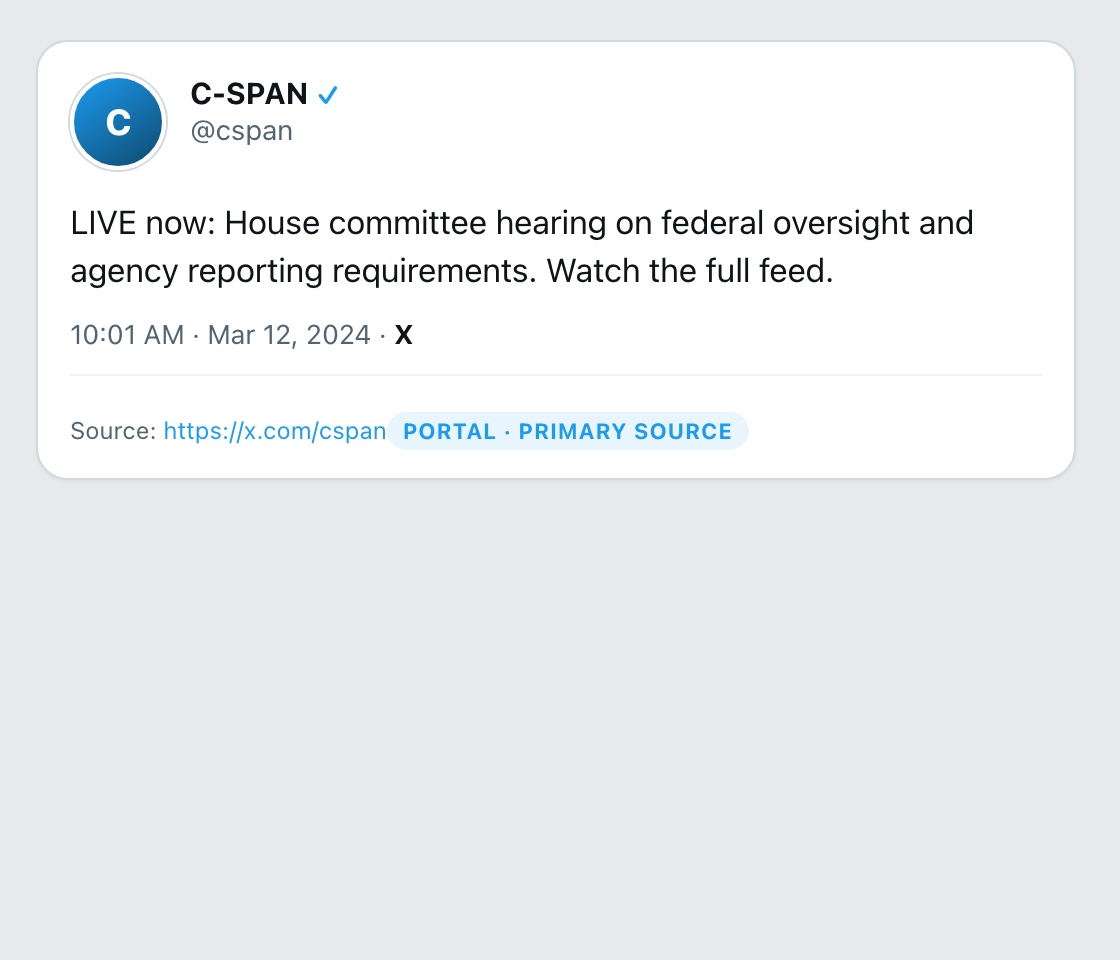
On one hand, proponents of recent treaties tout them as monumental achievements that will usher in a new era of cooperation and peace. The narrative suggests that these agreements are a panacea for longstanding geopolitical tensions. Yet, a closer examination of the text reveals that many of these claims are exaggerated. For instance, while a treaty may promise to reduce certain tensions, it often fails to address the underlying issues that have historically fueled conflict.
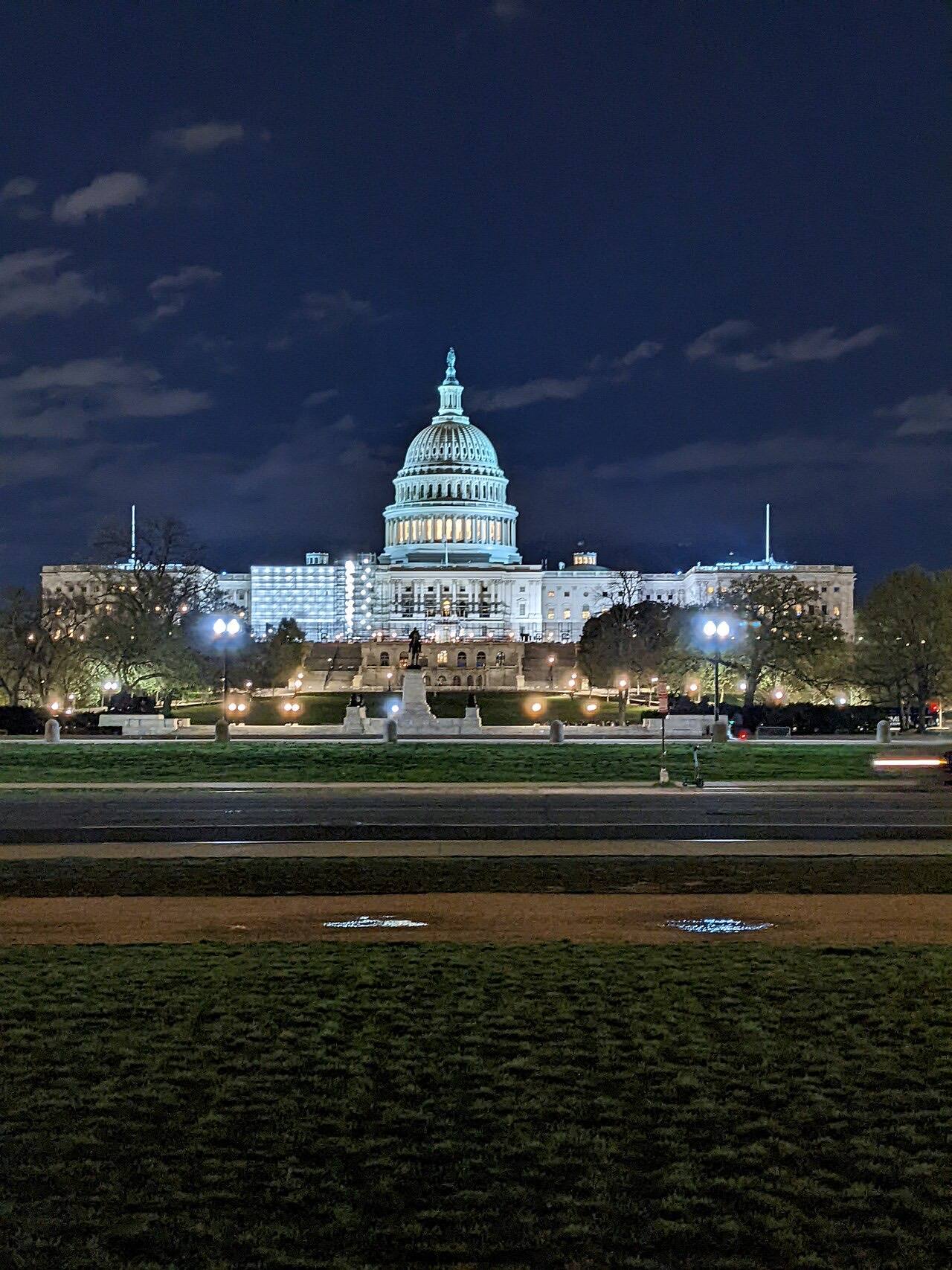
"The rhetoric surrounding treaty ratification often overshadows the nuanced realities that these agreements entail."
Claims from the Left
Progressives have been particularly vocal in their support for recent treaties, framing them as substantial victories for diplomacy. They argue that these agreements signify a departure from previous administrations' more unilateral approaches. However, the left's enthusiasm sometimes veers into the realm of wishful thinking. For example, the assertion that a new climate treaty will single-handedly reverse decades of environmental degradation is misleading. While such agreements are critical, they require robust implementation and compliance that cannot be assumed solely based on the signing of a document.

Moreover, the left's tendency to dismiss any criticism of these treaties as reactionary or obstructionist stifles necessary debate. An open examination of the treaties' provisions is crucial for understanding their potential impacts and shortcomings. Unquestioning support can lead to disillusionment down the line when the anticipated benefits fail to materialize.
Claims from the Right
Conversely, conservative critiques of treaty ratification often evoke a sense of nationalism that borders on isolationism. Many on the right claim that recent treaties undermine American sovereignty and compromise national interests. This perspective can foster a dangerous narrative that equates diplomacy with betrayal. The alarmist framing employed by some right-leaning commentators suggests that treaties are inherently detrimental to the United States, a stance that ignores the complexities of global interdependence.

While legitimate concerns about sovereignty and national interests must be considered, the right's position often lacks nuance. Not all treaties are created equal, and dismissing all international agreements as threats to sovereignty is counterproductive. Constructive criticism should focus on specific provisions and their implications rather than resorting to blanket statements that disregard the potential benefits of collaboration.
The Middle Ground
In this polarized climate, it is essential for both sides to adopt a more measured approach to treaty ratification. Acknowledging the merits and flaws of agreements can foster a more informed public discussion. For instance, recognizing that a treaty may provide a framework for dialogue while also critiquing its practical implementation can lead to constructive outcomes. Both sides must resist the temptation to engage in hyperbole and instead focus on fostering a culture of pragmatic engagement with international agreements.
The Path Forward
As the nation moves forward, it is crucial to engage the public in meaningful discussions about treaty ratification. This involves not only educating citizens about the specifics of treaties but also fostering an environment where constructive criticism is welcomed. The goal should not be to quash dissenting opinions but to cultivate a more informed electorate that can engage with the complexities of international agreements.
In this era of heightened partisanship, both the left and right must take a step back and reconsider their approaches to treaty ratification. Excessive claims and alarmist rhetoric serve only to further polarize the conversation and distract from the substantial issues at stake. By embracing a more nuanced dialogue, the nation can better navigate the intricate landscape of global diplomacy and ensure that treaty ratification serves the interests of all Americans.
✦ ✦ ✦