From the file. Written for the paper dated June 2021. Opened in the public stacks July 14, 2026.
As the dust settles from the chaotic 2020 election cycle, the redistricting process is once again at the forefront of political discourse, sparking fervent debates over fairness, representation, and partisan advantage.
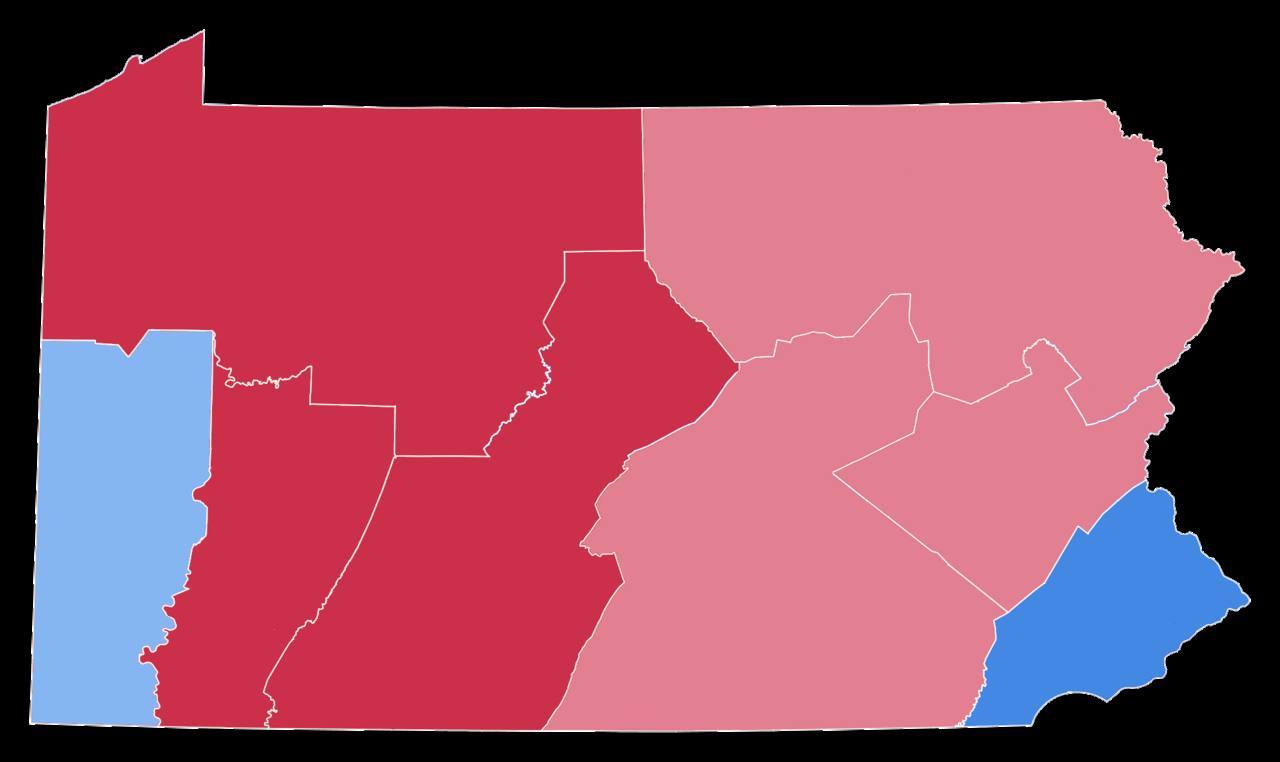
What is Redistricting?
Every ten years, following the decennial census, states are required to redraw their congressional and legislative district boundaries. This process, known as redistricting, has far-reaching implications for political representation, often leading to contentious battles over who gets to control the drawing of lines.
The Claims
On one side of the aisle, Democrats are vocal in their claims that redistricting is a tool for partisan manipulation. They argue that Republican-controlled states are engaged in gerrymandering - drawing districts in a way that gives their party an electoral advantage. This narrative is bolstered by examples of past abuses, where districts have been contorted into bizarre shapes to pack voters of a particular party into a single district, diluting their influence elsewhere.

Conversely, Republicans counter that the Democrats are not innocent victims in this game. They assert that blue states have engaged in their own brand of gerrymandering, strategically crafting districts to maximize Democrat representation. This tit-for-tat blame game has become a hallmark of political rhetoric, distracting from the fundamental issues at stake.

Public Sentiment and Reality
Public opinion surveys often reveal a consistent desire for fairness in the redistricting process. Many Americans are frustrated by the perception that their votes are diluted by artificial boundaries designed to favor one party over another. However, the reality on the ground tells a more complex story. While both parties engage in redistricting tactics that can be seen as self-serving, the narrative often oversimplifies the nuances involved.
“Redistricting should be about representation, not manipulation.”
Independent commissions, proposed by various advocacy groups and some lawmakers, aim to take the politics out of the process. These commissions are designed to create fairer, more equitable district maps. Yet, the implementation of such measures has met resistance, particularly from those who benefit from the current system.

Legal Battles and Challenges
As the redistricting process unfolds, legal battles are expected to erupt across the nation. Lawsuits challenging new district maps, claiming they violate principles of fairness, are likely to become a common occurrence. The Supreme Court has historically been hesitant to intervene in redistricting cases, often leaving it to the states to resolve their own disputes. This hands-off approach has led to a patchwork of district maps that vary widely in terms of fairness and representation.
The Impact of Technology
In today’s technologically driven world, data plays a crucial role in redistricting. Advanced mapping software allows for a level of precision that was previously unimaginable. However, this same technology can also be weaponized to create highly partisan maps. The irony is that while technology has the potential to enhance transparency, it can also contribute to a cycle of manipulation that undermines public trust.
A Call for Accountability
The current state of redistricting demands accountability from all parties involved. Voters deserve a system that prioritizes their voices rather than the interests of political elites. While both sides have valid concerns, the excessive focus on partisan gain obscures the broader goal of equitable representation. It is essential to engage in constructive dialogue about how to reform the redistricting process to ensure that it serves the public interest.
Conclusion
As redistricting unfolds in the coming months, it will be critical for citizens to remain vigilant and engaged. The political landscape is shaped not just by the outcomes of elections, but by the very maps that determine how those elections are conducted. The call for reform is clear, but it will require a concerted effort from all sides to ensure that the process is fair, transparent, and representative of the diverse voices that comprise our nation.
✦ ✦ ✦