From the file. Written for the paper dated June 2021. Opened in the public stacks July 14, 2026.
As discussions surrounding healthcare reform intensify, the debate over hospital costs has taken center stage. While public claims often paint a rosy picture of affordability, the reality reflected in hospital billing records tells a more complex story.

The Burden of Hospital Costs
In recent months, a growing chorus of voices has emerged advocating for transparency in hospital pricing. Advocates argue that consumers deserve to know how much they will be charged for services before they seek care. Yet, despite these claims, many patients find themselves blindsided by exorbitant bills long after receiving treatment. This gap between public claims and the reality of hospital costs raises questions about accountability and the effectiveness of current healthcare policies.
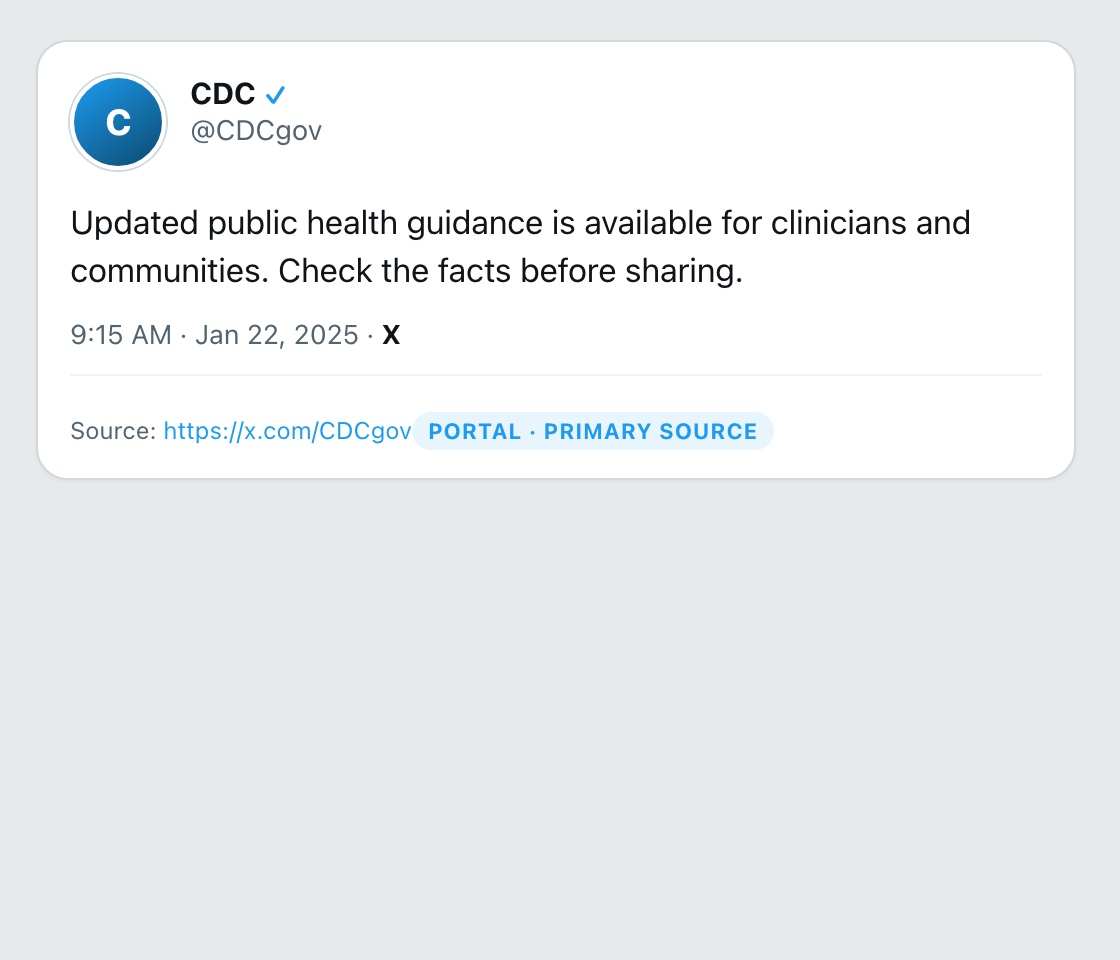
Public Claims of Affordability
Politicians on both sides of the aisle have touted the success of various healthcare initiatives, asserting that hospital costs are decreasing and healthcare is becoming increasingly accessible. Proponents of Medicare for All frequently cite lower administrative costs and enhanced bargaining power as reasons to support universal healthcare. However, these claims often lack nuance, failing to account for the differing experiences of patients across the country.

"Hospital costs are spiraling out of control, and yet we hear little from those in power about the real expenses faced by everyday Americans."
The Reality of Billing Practices
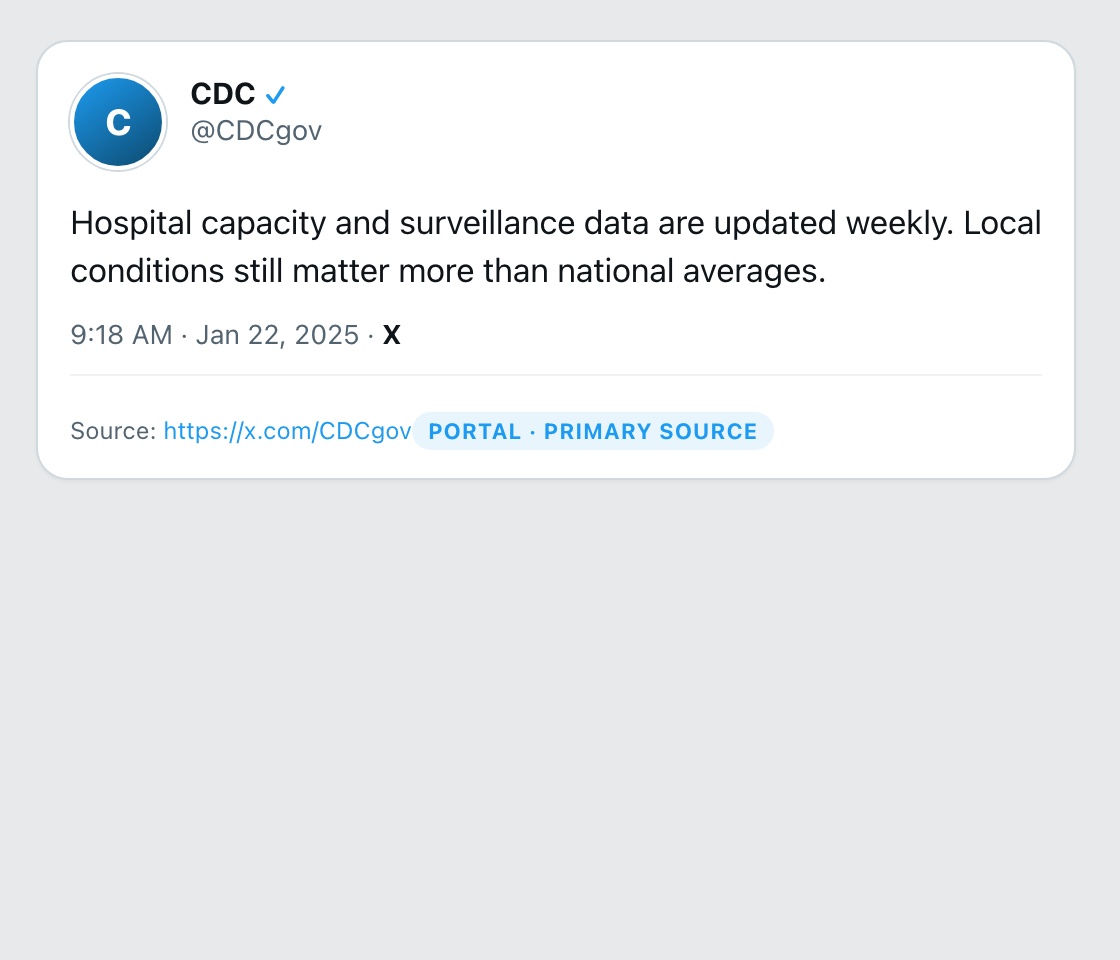
Contrary to the optimistic narratives floating around, hospital billing practices remain convoluted and opaque. A recent report highlighting the discrepancies between billed charges and actual payments reveals a startling reality: many patients pay far more than expected. For example, a routine procedure that one hospital bills at a steep price may be offered at a fraction of the cost at a competing facility. This lack of standardization not only confuses patients but also exacerbates the financial strain on those who are already vulnerable.
Excesses on the Left and Right
As the political discourse surrounding healthcare continues to polarize, both sides seem to be falling into the trap of exaggeration. On the left, advocates for sweeping reforms often overlook the potential downsides of a single-payer system, including the risk of increased wait times and reduced innovation in medical technology. Meanwhile, those on the right frequently dismiss the challenges faced by low-income families who are grappling with medical debt, opting instead to focus on the supposed inefficiencies of public healthcare solutions.
This back-and-forth creates an environment where genuine solutions are drowned out by hyperbole. Instead of working collaboratively to address the pressing issues of hospital costs and billing transparency, both sides often resort to sensationalism, detracting from the real stories of people affected by these costs.
Seeking Solutions
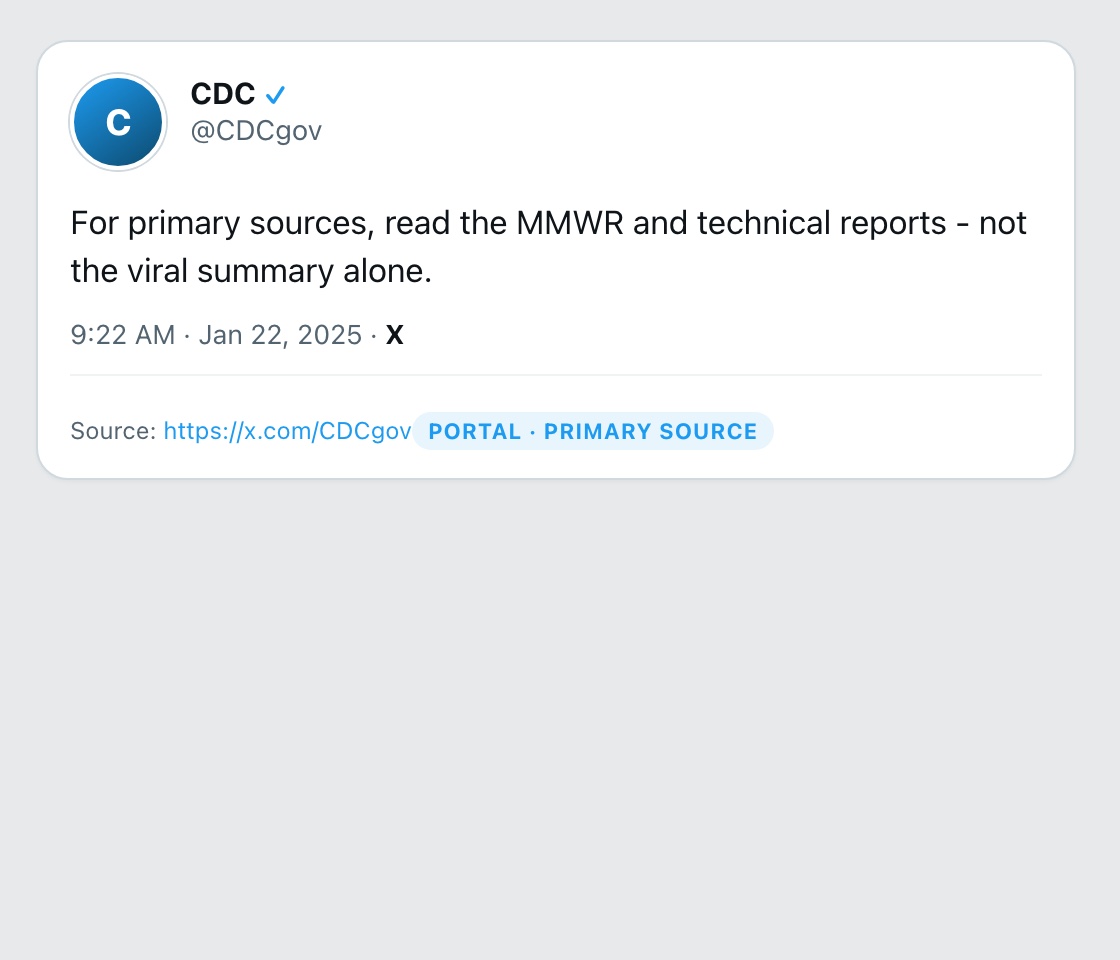
To bridge the gap between public claims and the stark realities of hospital costs, we must prioritize transparency in healthcare billing. Efforts to standardize pricing across facilities and improve communication between hospitals and patients are essential. Additionally, policymakers must take a balanced approach, recognizing both the strengths and weaknesses of various healthcare models.
As we move forward, it is imperative that we center the experiences of patients in this dialogue. The complexities of healthcare costs cannot be simplified into sound bites or partisan talking points. Instead, we must listen to the voices of those who navigate the healthcare system daily, ensuring that their stories inform our understanding of hospital costs and the policies that govern them.
Conclusion
The conversation surrounding hospital costs is far from over. As public claims of affordability continue to clash with the realities of billing practices, it is essential for all stakeholders to engage in honest dialogue. Only through transparency, accountability, and a commitment to understanding the complexities of healthcare can we hope to forge a path toward a more equitable system.
✦ ✦ ✦