From the file. Written for the paper dated June 2021. Opened in the public stacks July 14, 2026.
As the world grapples with the ongoing pandemic, the clash between public claims and the stark reality of epidemic response efforts has never been more pronounced. This article examines the conflicting narratives surrounding health measures, vaccine distribution, and public compliance, revealing the complexities and contradictions at play.

The Promises of Quick Action
In the early days of the pandemic, many governments touted their rapid response plans and comprehensive strategies to tackle the spread of COVID-19. Politicians made bold declarations, emphasizing their commitment to protect public health and ensure the availability of resources. However, as we transition into mid-2021, a closer look reveals a different picture, one fraught with logistical challenges and policy missteps.
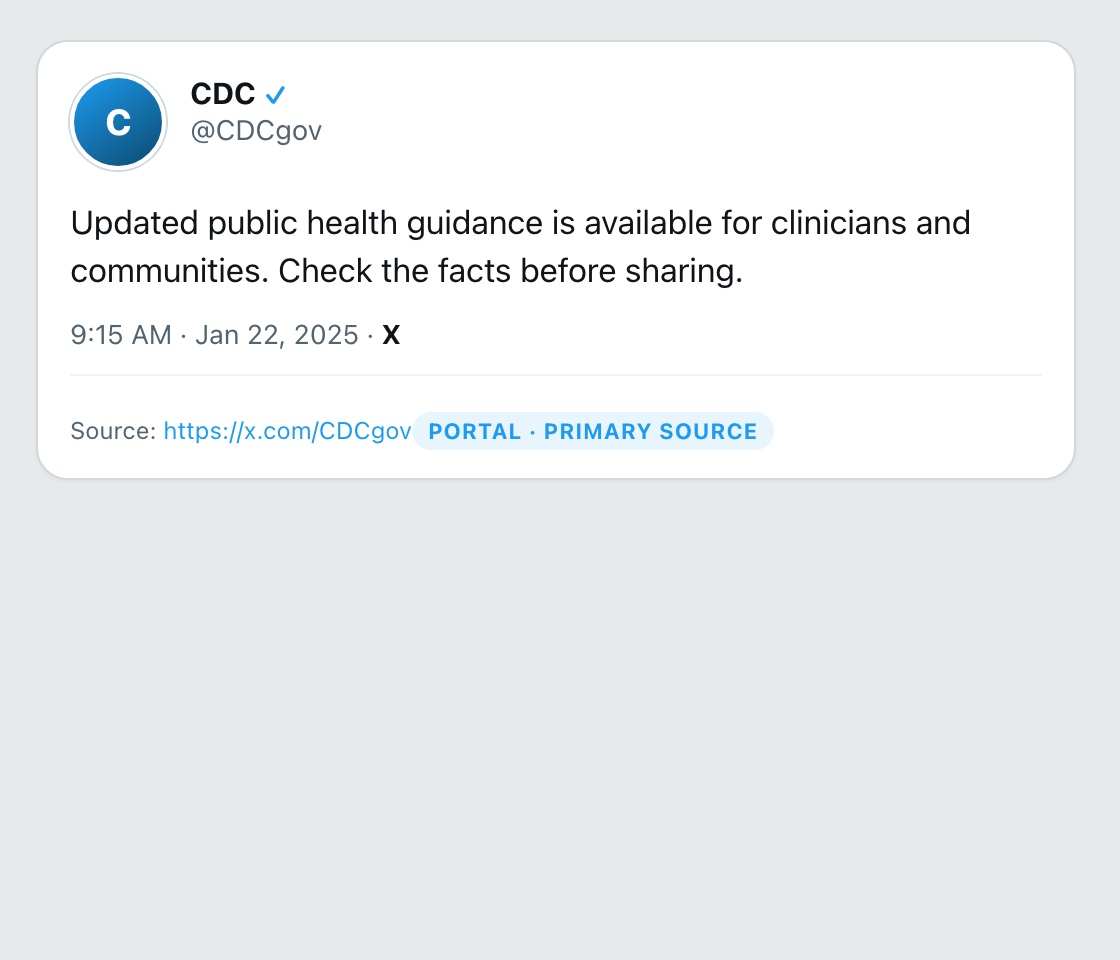
Claims of effective testing rollouts and swift vaccine distribution have often fallen short when scrutinized against the actual outcomes. Many states announced ambitious testing goals, aiming for widespread access. Yet, reports emerged indicating significant delays, inadequate supply chains, and a lack of coordination among agencies.

"What is promised often diverges sharply from what is delivered, leaving the public in a state of confusion."
Vaccine Rollout: A Tale of Two Approaches
The vaccine rollout has become a focal point in the public discourse on epidemic response. While some regions celebrated early successes, others faced criticism for their slow pace. The disparity between urban and rural access to vaccines has highlighted systemic inequalities that were present long before the pandemic struck.
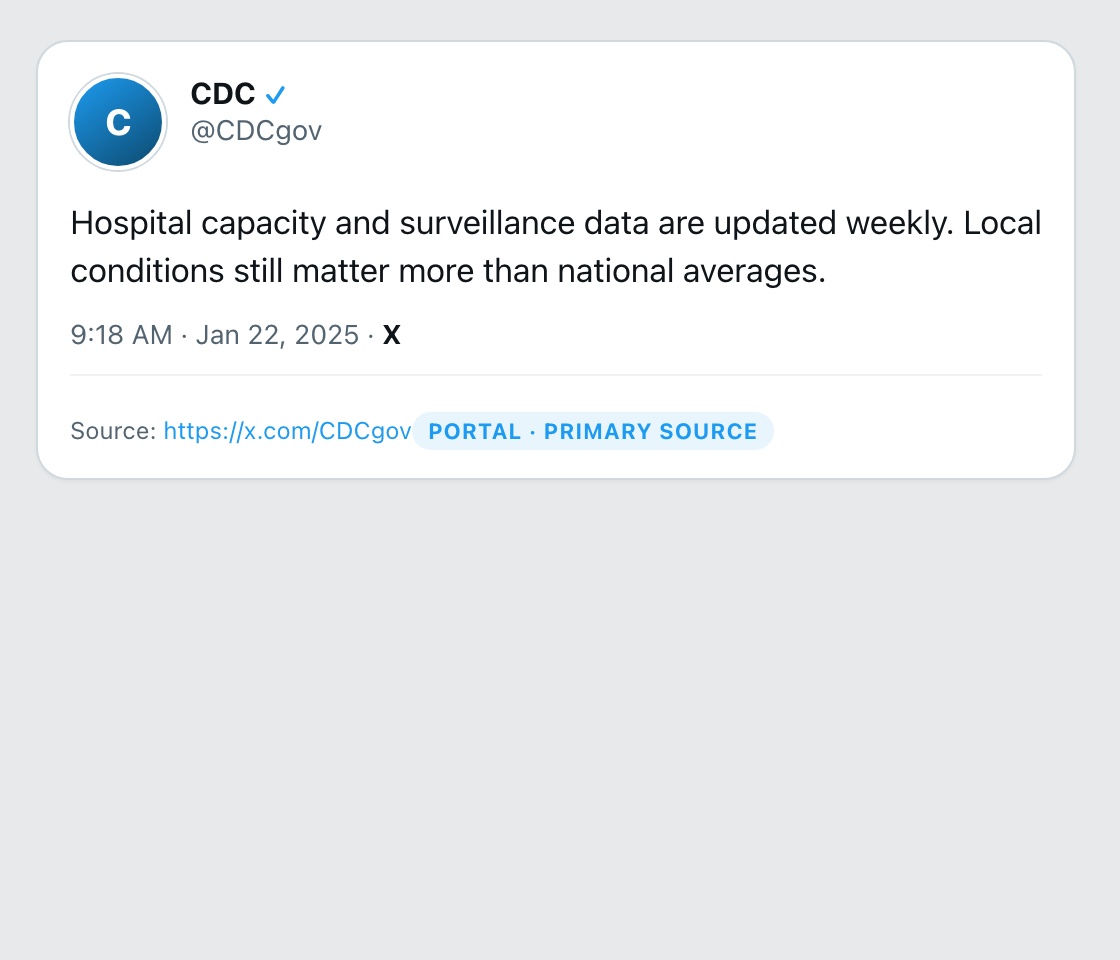
Public officials lauded the rapid development of vaccines, framing it as a monumental achievement of science and ingenuity. However, the reality is that many people have encountered barriers to vaccination, from misinformation to logistical challenges in accessing vaccination sites. As a result, the once-promised "return to normal" feels increasingly out of reach for many communities.
Public Compliance and Misinformation
The success of public health measures hinges on community compliance, yet achieving this has proven difficult. The spread of misinformation has fueled skepticism about the efficacy of vaccines and the seriousness of the virus itself. This has led to a polarized public, with some vehemently adhering to safety protocols, while others reject the guidelines altogether.
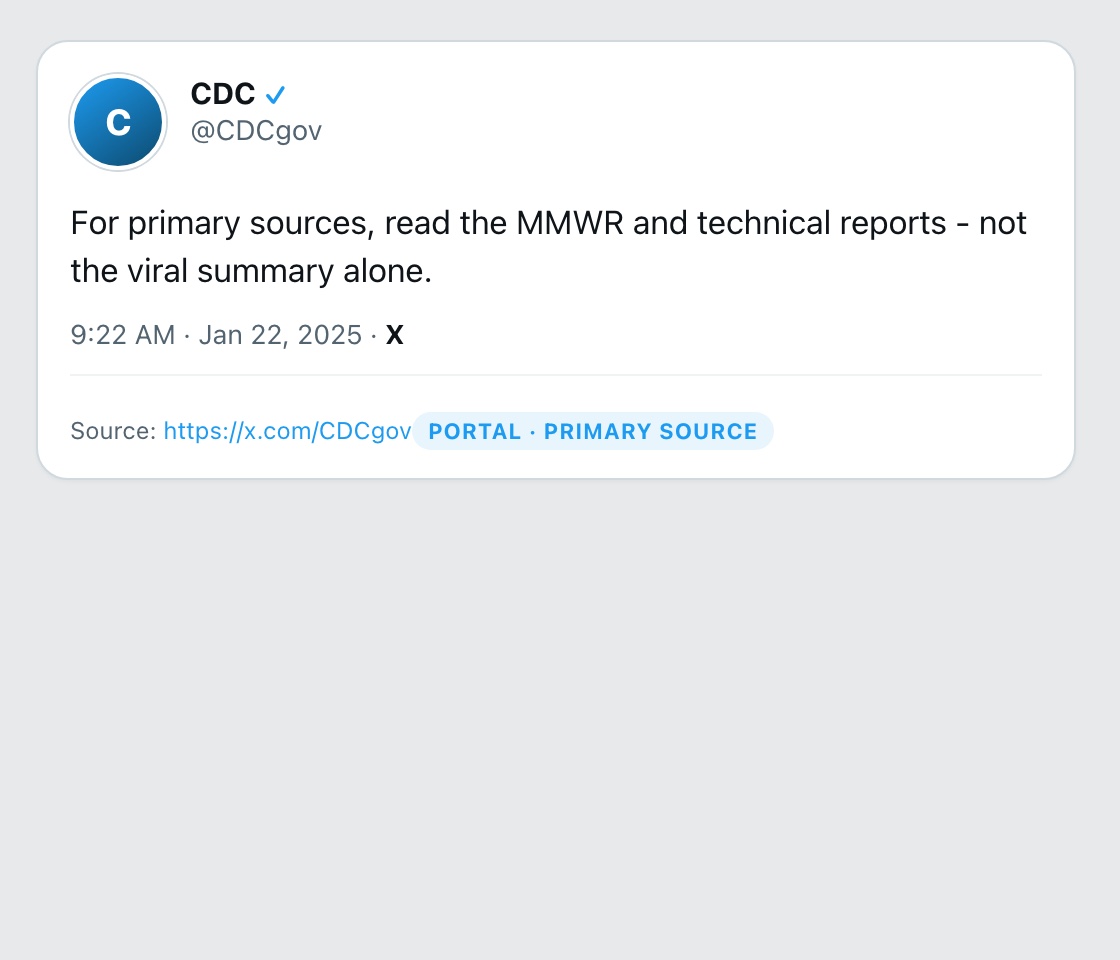
On one hand, some leaders called for strict adherence to public health measures, urging citizens to wear masks and practice social distancing. On the other hand, there has been a rise in anti-mask sentiment, often spurred by extremist rhetoric from both sides of the political spectrum. This dichotomy reflects a broader cultural clash, with public health becoming a battleground for ideological warfare.
"In the fight against a virus, we have become more divided than ever, with public health measures caught in the crossfire."
The Role of Media and Messaging
Media coverage has played a significant role in shaping public perception of the epidemic response. While accurate reporting is essential, sensationalism and the pursuit of viewership can lead to distorted narratives. The focus on conflict, rather than collaboration, has contributed to a climate of fear and distrust.
Moreover, the inconsistency in messaging from health officials and government leaders has further complicated public understanding. As guidelines evolved and new data emerged, the public often felt misled or confused. This inconsistency fosters a lack of trust in the very institutions that are tasked with safeguarding public health.
Moving Forward: A Call for Accountability
As we navigate the complexities of epidemic response, it is imperative to hold leaders accountable for their promises and actions. Transparency in reporting outcomes, challenges, and successes will be vital to restoring public confidence. It is not enough to simply declare a commitment to public health; there must be tangible results that align with those declarations.
Furthermore, addressing the spread of misinformation requires a concerted effort from both the public and private sectors. Empowering communities with accurate information and fostering open dialogues can help bridge the divide that has emerged over health measures.
Conclusion
The ongoing pandemic has exposed the fragility of our public health systems and the importance of trust in government and institutions. As we continue to confront the challenges posed by COVID-19, it is essential to critically examine the narratives surrounding our epidemic response. Only through honest dialogue and accountability can we hope to emerge stronger and more united in the face of future public health crises.
✦ ✦ ✦