From the file. Written for the paper dated May 2021. Opened in the public stacks July 14, 2026.
As the world watches with bated breath, the excitement surrounding space launches continues to captivate the imagination. However, the reality behind these monumental events is often overshadowed by institutional safeguards that prioritize reputation over exploration.
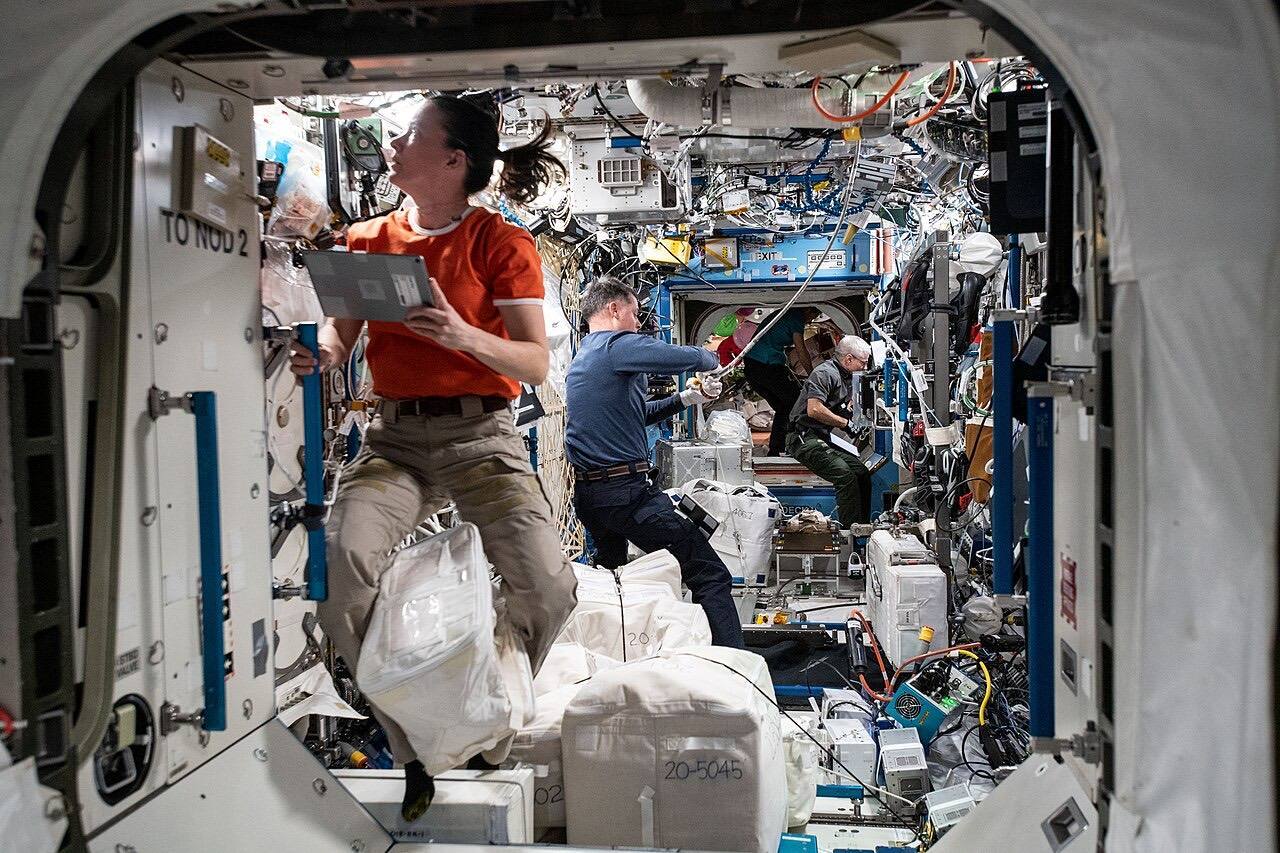
The Launch Pad: Institutional Protectiveness
In a time when the race to explore the cosmos has become a public spectacle, we must question the motivations of the institutions responsible for these launches. Are they truly committed to the advancement of science, or are they merely protecting their own interests? The recent space launches, from governmental agencies to private companies, reflect a growing trend of caution over courage. Institutions appear to be more concerned with covering their backs than with pushing the boundaries of human achievement.

Take, for example, the various protocols and safety measures that have been put in place. While these are undoubtedly necessary, one cannot help but wonder if they are being used as a shield against scrutiny. The fear of failure has led to an environment where the desire for perfection often stifles innovation. Launches are meticulously planned, with every detail scrutinized, but this obsession with control can lead to a stagnation of creativity.

The Left’s Call for Accountability
On one end of the spectrum, progressive voices have been vocal about the need for accountability within these institutions. They argue that failures and setbacks should not merely be swept under the rug. Instead, they advocate for transparency and a culture of learning from mistakes, which is a noble pursuit. However, this call for accountability can sometimes morph into a witch hunt, where each misstep becomes a rallying cry against the very institutions that are trying to innovate.

"In the race to the stars, we cannot let fear of failure eclipse the pursuit of knowledge."
In their zeal to hold institutions accountable, some on the left risk creating an atmosphere of fear that may deter future investments in space exploration. With every failure being amplified, the innovative spirit that propelled humanity to the moon could be snuffed out by excessive scrutiny. This excessive focus on accountability can generate an environment where failure is not tolerated, ultimately leading to a culture of risk aversion.
The Right’s Embrace of Nationalism
Conversely, right-leaning factions often champion a more nationalist approach to space exploration, emphasizing the importance of space superiority and technological dominance. While the pride in national achievement is understandable, this excessive nationalism can lead to a narrow view of what space exploration should entail. The focus on competition rather than collaboration can hinder international partnerships that have historically accelerated scientific progress.

Moreover, the constant emphasis on national pride can overshadow the collaborative nature of scientific inquiry. When space is framed as a battleground for national interests, the potential for global cooperation diminishes. The right's rhetoric often leans toward militarization of space, which is a dangerous path that could lead to conflict rather than exploration.
Striking a Balance
The challenge lies in finding a balance between accountability and innovation, between pride and collaboration. As the stakes of space exploration continue to rise, we must foster an environment that encourages risk-taking while still holding institutions accountable for their actions. A culture that embraces calculated risks can lead to breakthroughs that are essential for the future of humanity.
The Future of Space Exploration
As we stand on the precipice of a new era in space exploration, it is vital for institutions to reflect on their roles. The mission should not only be about technological advancement but also about the collective human experience. Space should be viewed as a shared frontier where collaboration trumps competition, and accountability fosters growth rather than fear.
In the end, the vision of space exploration should transcend earthly divisions. If institutions can navigate the delicate balance between accountability and innovation, and if they can embrace collaboration over competition, then humanity's journey into the cosmos will not only be about reaching new heights but also about uniting in our shared goals.
✦ ✦ ✦